

As solar power systems become more advanced, solar energy data loggers play a critical role in ensuring performance, efficiency, and reliability. These intelligent devices collect, store, and transmit real-time data from solar systems, helping system owners, installers, and operators monitor energy production, detect faults early, and optimize system performance.
This guide explains what solar energy data loggers are, how they work, their benefits, applications, and why they are essential for modern solar installations.
Table of Contents
What Are Solar Energy Data Loggers?
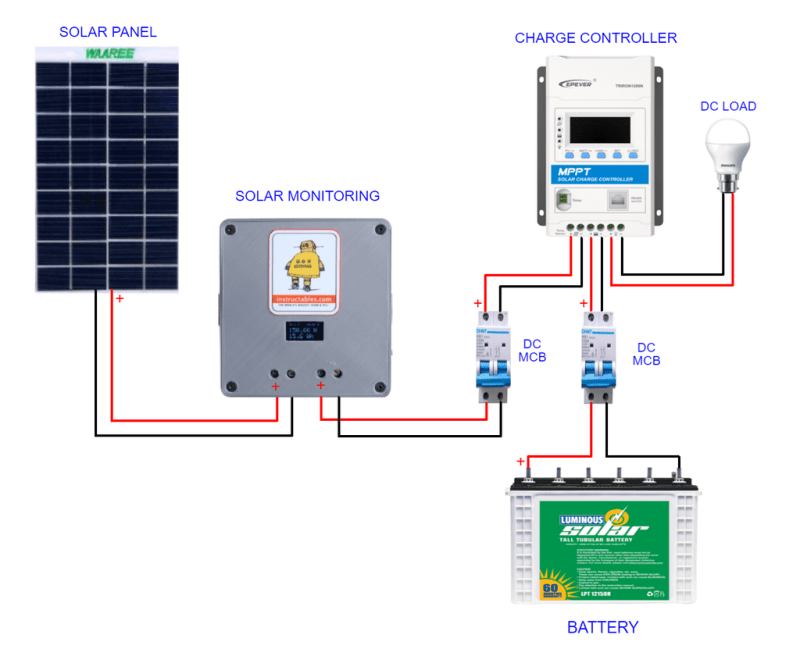
A solar energy data logger is a monitoring device that records performance data from a solar power system. It collects information from components such as solar panels, inverters, batteries, and charge controllers, then stores or transmits the data for analysis.
The data collected typically includes:
- Energy generation (kWh)
- Voltage and current levels
- Battery state of charge
- Inverter performance
- System faults and alarms
- Temperature and environmental conditions
How Solar Energy Data Loggers Work
Solar data loggers connect to solar system components via communication protocols such as RS485, Modbus, CAN, Ethernet, or Wi-Fi. Once connected, the device:
- Continuously reads system parameters
- Stores data locally or on cloud platforms
- Transmits data via GSM, Wi-Fi, or Ethernet
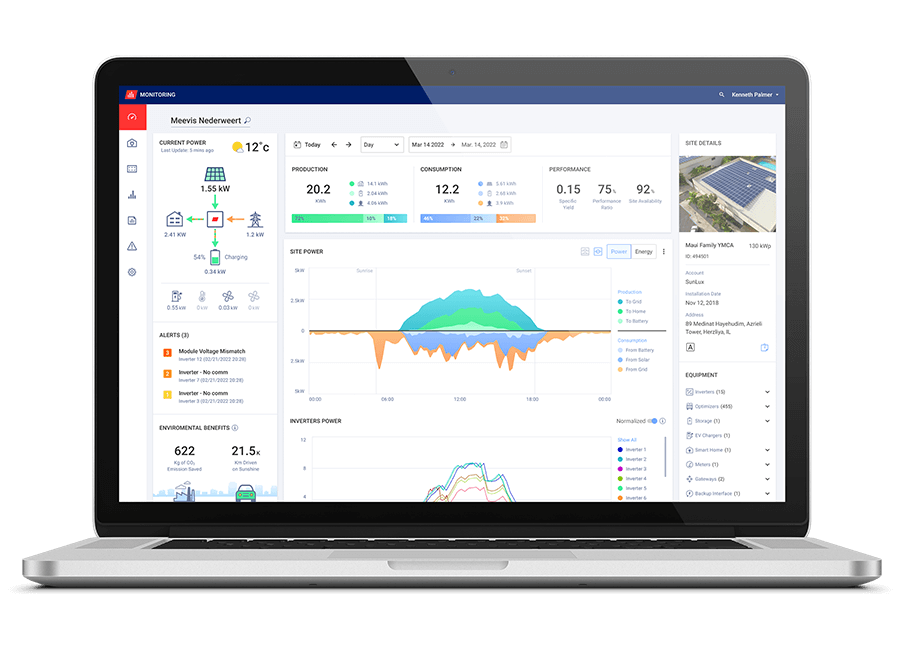
- Displays information through web dashboards or mobile apps
This allows users to monitor their solar system remotely and in real time.
Key Benefits of Solar Energy Data Loggers
1. Real-Time System Monitoring
Track solar energy production and consumption anytime, anywhere.
2. Improved System Efficiency
Identify underperforming panels, battery issues, or inverter faults early.
3. Preventive Maintenance
Early fault detection reduces downtime and maintenance costs.
4. Data-Driven Decision Making
Historical performance data helps optimise system sizing and upgrades.
5. Remote Access and Alerts
Receive instant notifications for system faults or abnormal performance.
Applications of Solar Energy Data Loggers
Residential Solar Systems
Homeowners can monitor daily energy generation, battery status, and backup performance.
Commercial and Industrial Solar Installations
Businesses track energy savings, peak demand, and system reliability across multiple sites.
Solar Farms and Mini-Grids
Operators manage large-scale solar plants, optimise output, and ensure grid compliance.
Off-Grid and Remote Solar Systems
Ideal for telecom towers, water pumping systems, and rural electrification projects.
Types of Solar Energy Data Loggers
Standalone Data Loggers
Basic units that store data locally and require manual data retrieval.
Cloud-Connected Data Loggers
Send real-time data to online platforms accessible via web or mobile apps.
Inverter-Integrated Data Loggers
Built directly into modern solar inverters for seamless monitoring.
GSM / IoT Data Loggers
Use mobile networks for remote monitoring where internet access is limited.
Key Features to Look for in a Solar Data Logger
- Compatibility with inverters and charge controllers
- Multiple communication options (Wi-Fi, GSM, Ethernet)
- Cloud-based monitoring and mobile app access
- Data storage and export capabilities
- Alarm and notification functions
- Scalability for future system expansion
Solar Energy Data Loggers vs Manual Monitoring
| Feature | Solar Data Loggers | Manual Monitoring |
| Accuracy | High | Limited |
| Real-Time Access | Yes | No |
| Fault Detection | Automatic | Delayed |
| Remote Monitoring | Yes | No |
| Historical Data | Available | Not recorded |
Why Solar Energy Data Loggers Are Essential
Without proper monitoring, solar systems may lose efficiency without notice. Solar energy data loggers ensure maximum energy harvest, system reliability, and return on investment by providing continuous visibility into system performance.
As solar installations grow in size and complexity, data loggers are no longer optional—they are a necessity.
Final Thoughts
Solar energy data loggers are a powerful tool for monitoring, managing, and optimising solar power systems. From small residential setups to large commercial solar farms, these devices improve performance, reduce downtime, and support smarter energy management.