Description
Glass-Glass Build Without the Premium Price Tag
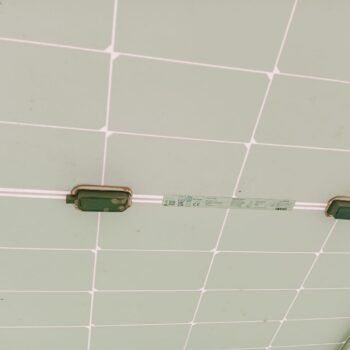
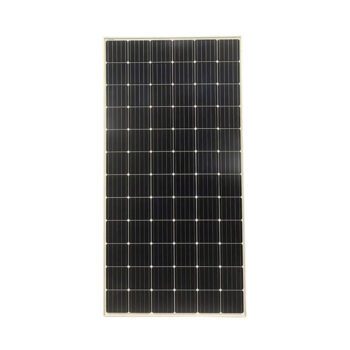
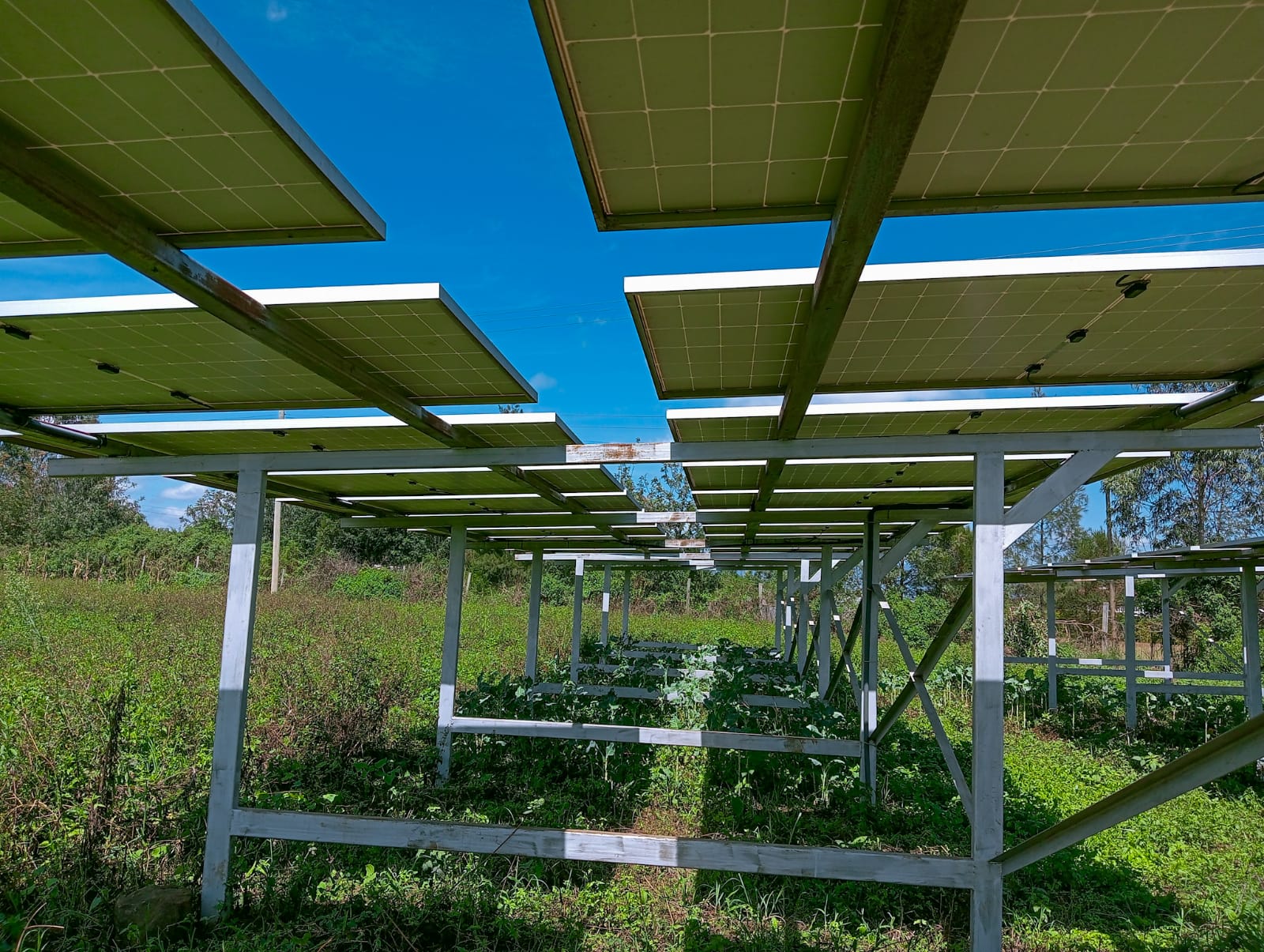
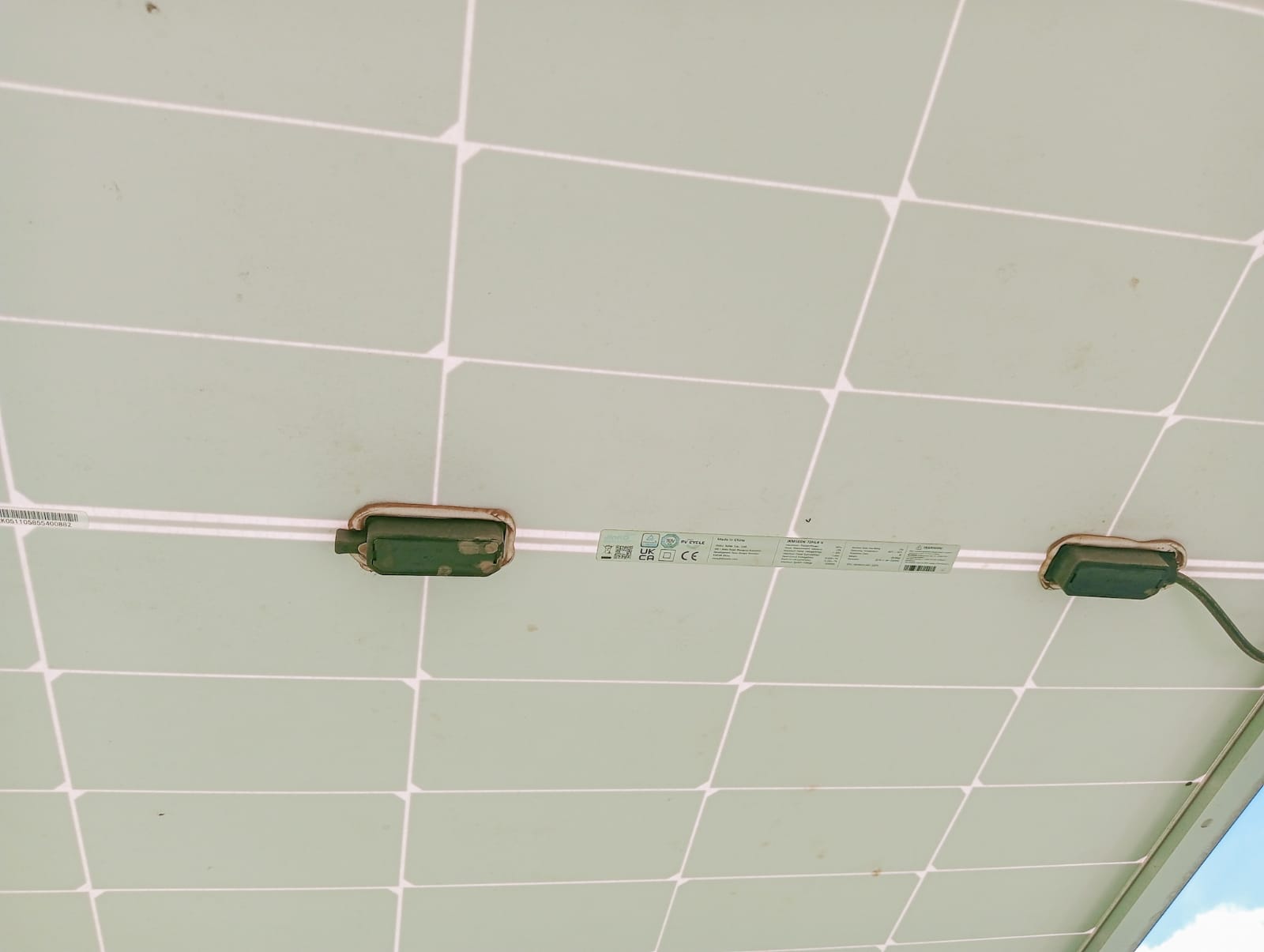
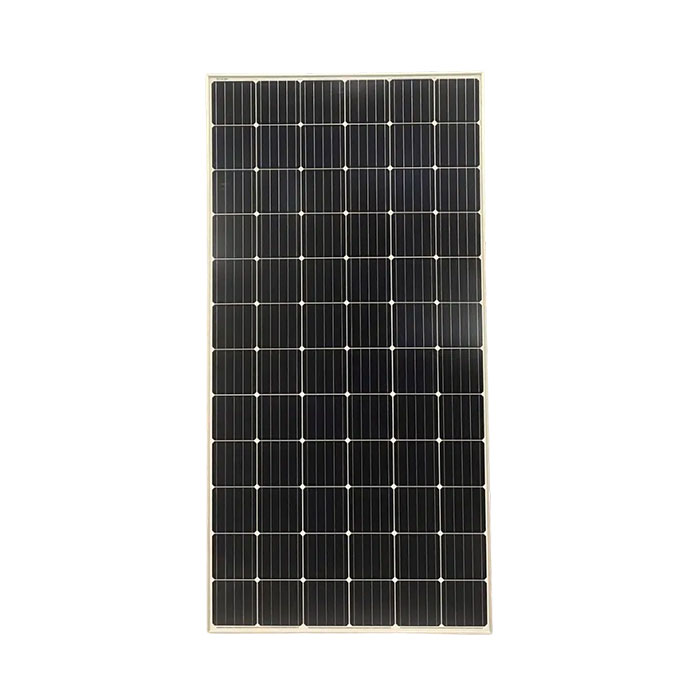
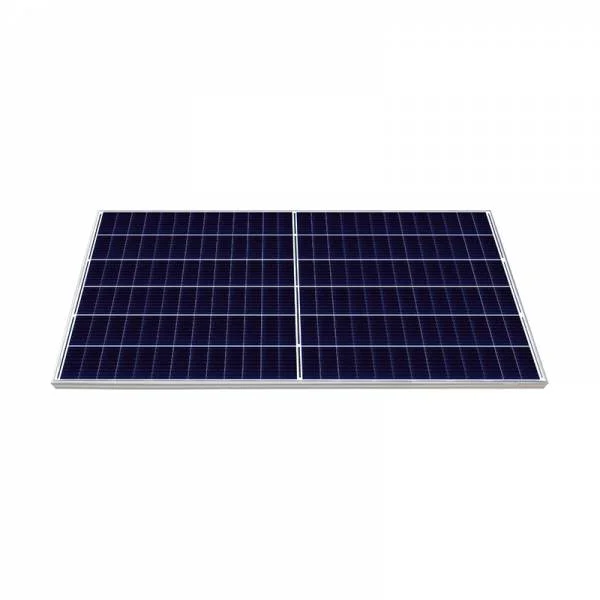
Most discussions of bifacial solar panels skip past the most underrated reason to buy them: the dual-glass construction itself. The 485W BiHiKu is the panel that lets Kenyan buyers access tropical-grade glass-glass durability without paying the price premium of N-type TOPCon technology. It uses the same proven P-type Mono PERC cells as the rest of the HiKu6 family, but encapsulates them between two sheets of tempered glass instead of the conventional polymer backsheet.
The result is a panel that holds up better in humid coastal air, salt mist, ammonia exposure (rooftops near livestock or chicken houses), and the UV stress of equatorial sunlight — at a price that’s roughly 8% lower than the N-type bifacial alternative.
Why Polymer Backsheets Fail in Tropical Climates
Conventional solar panels protect their cells by sandwiching them between front glass and a polymer (usually fluoropolymer or polyethylene-based) backsheet. The backsheet is the weak link in any panel exposed to tropical conditions for the following reasons:
- UV degradation. Polymers absorb ultraviolet light and gradually break down their chemical bonds. After 10–15 years in equatorial sunlight, microcracks form in the backsheet that can let moisture into the cell layer.
- Thermal cycling stress. Polymers expand and contract more than glass when temperatures change. This expansion/contraction differential creates shear stress at the cell-backsheet interface and accelerates delamination.
- Moisture vapour transmission. Even an intact polymer backsheet allows small amounts of water vapour to pass through. Over decades, this contributes to cell corrosion and PID (Potential Induced Degradation).
- Chemical exposure. Ammonia from livestock, salt from coastal air, and acidic rain all attack polymer surfaces faster than they attack tempered glass.
The 485W BiHiKu eliminates the polymer backsheet entirely. There’s nothing to UV-degrade, nothing to differentially expand, nothing for moisture to permeate, nothing for ammonia to attack. The cells sit between two sheets of identical material — glass — which expands at the same rate, blocks moisture completely, and is chemically inert.
The P-Type Cost Advantage
The 485W uses Canadian Solar’s standard P-type Mono PERC cells with anti-LID and anti-LeTID treatment — the same cell technology as the 550W HiKu6. This is mature, well-understood technology with predictable manufacturing economics. By skipping the more expensive N-type TOPCon process used in the 585W TOPBiHiKu6, the 485W comes in at a noticeably lower per-panel price while keeping the same dual-glass construction.
For a typical 6-panel residential system, the combined saving is meaningful — enough to upgrade other components — without sacrificing the dual-glass durability advantage. The trade-offs are real but modest: slightly lower front-side efficiency (20.4% vs 22.6%), the standard 25-year performance warranty (vs 30 years), and a bifacial factor of 70% (vs 80%).
Which Installations Suit the 485W
- Coastal homes (Mombasa, Kilifi, Watamu, Malindi): Salt mist resistance is the primary benefit — pair 5–6 panels with a Vestwood 6kW hybrid inverter and 10kWh battery
- Rural farms with livestock: Ammonia immunity matters — pair with the appropriate Vestwood inverter sized for the farm’s load
- Long-term residential investment: Buyers prioritising durability over headline efficiency get the longest service life per shilling spent
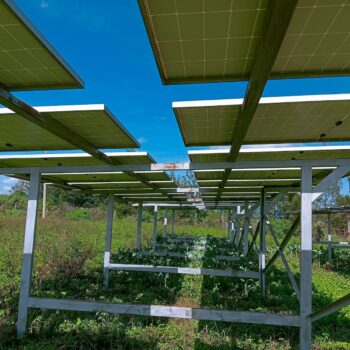
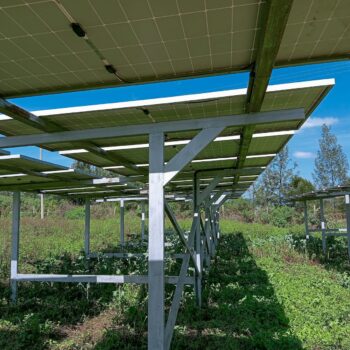
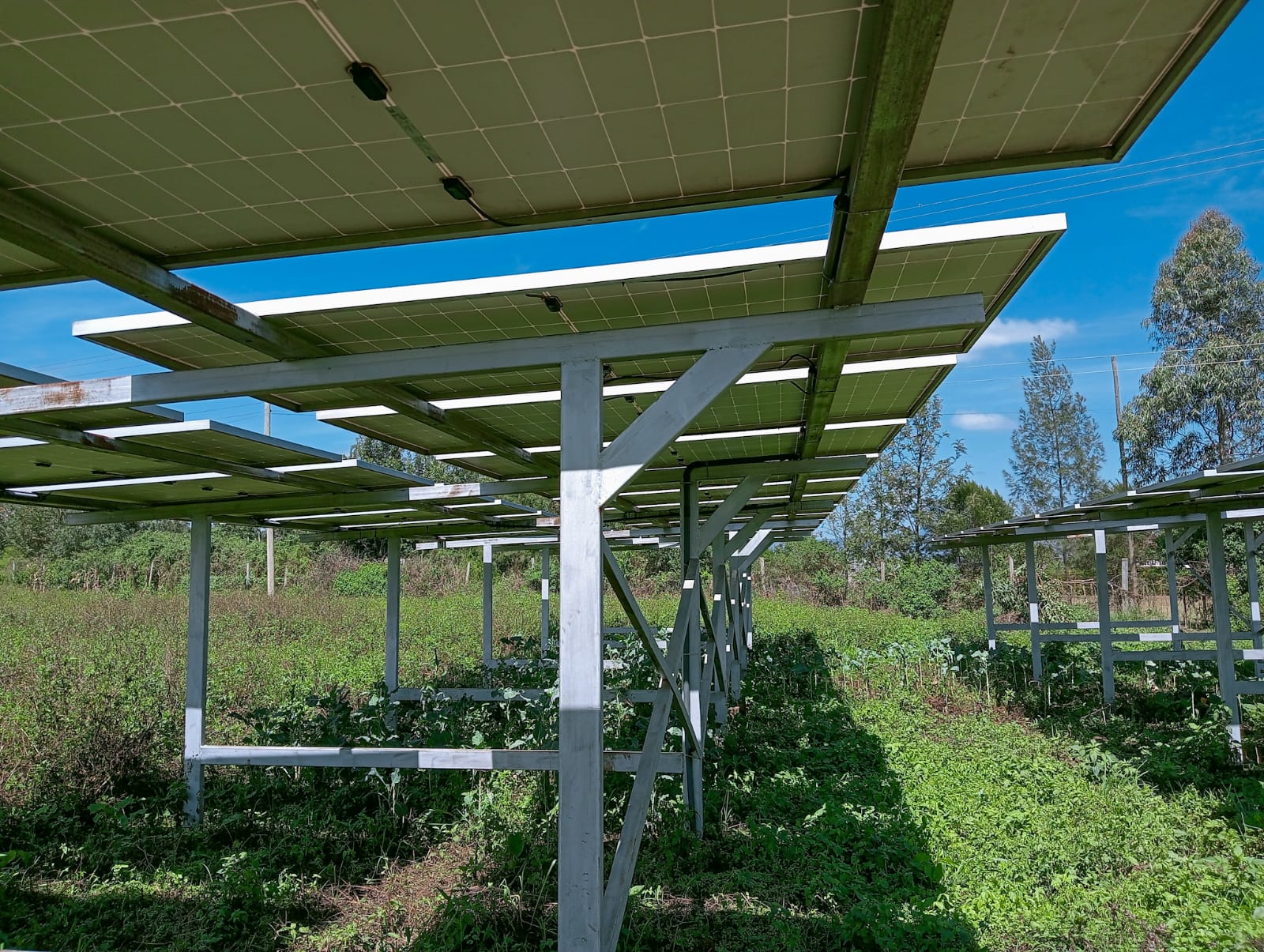
- Carport and ground-mount with light surfaces: 8–15 panels capture meaningful bifacial gain while saving budget for other components
- Replacement of failed glass-backsheet panels: Drop-in replacement with similar dimensions and improved longevity
STC Performance Data
- Pmax (front): 485W
- Voc: 44.8V
- Isc: 13.85A
- Vmp: 37.6V
- Imp: 12.90A
- Front efficiency: 20.4%
- Bifacial factor: up to 70%
- Maximum system voltage: 1500V DC
Use the Solar Calculator or request a quote.