Description
Overview
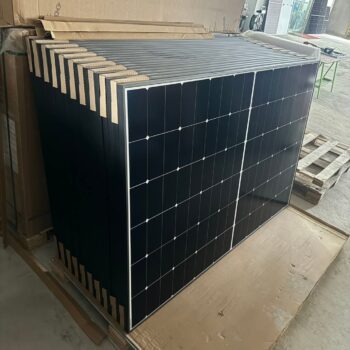
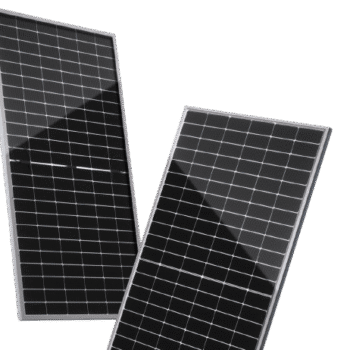
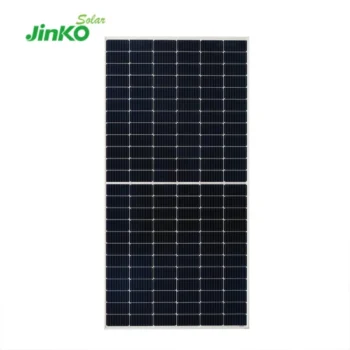
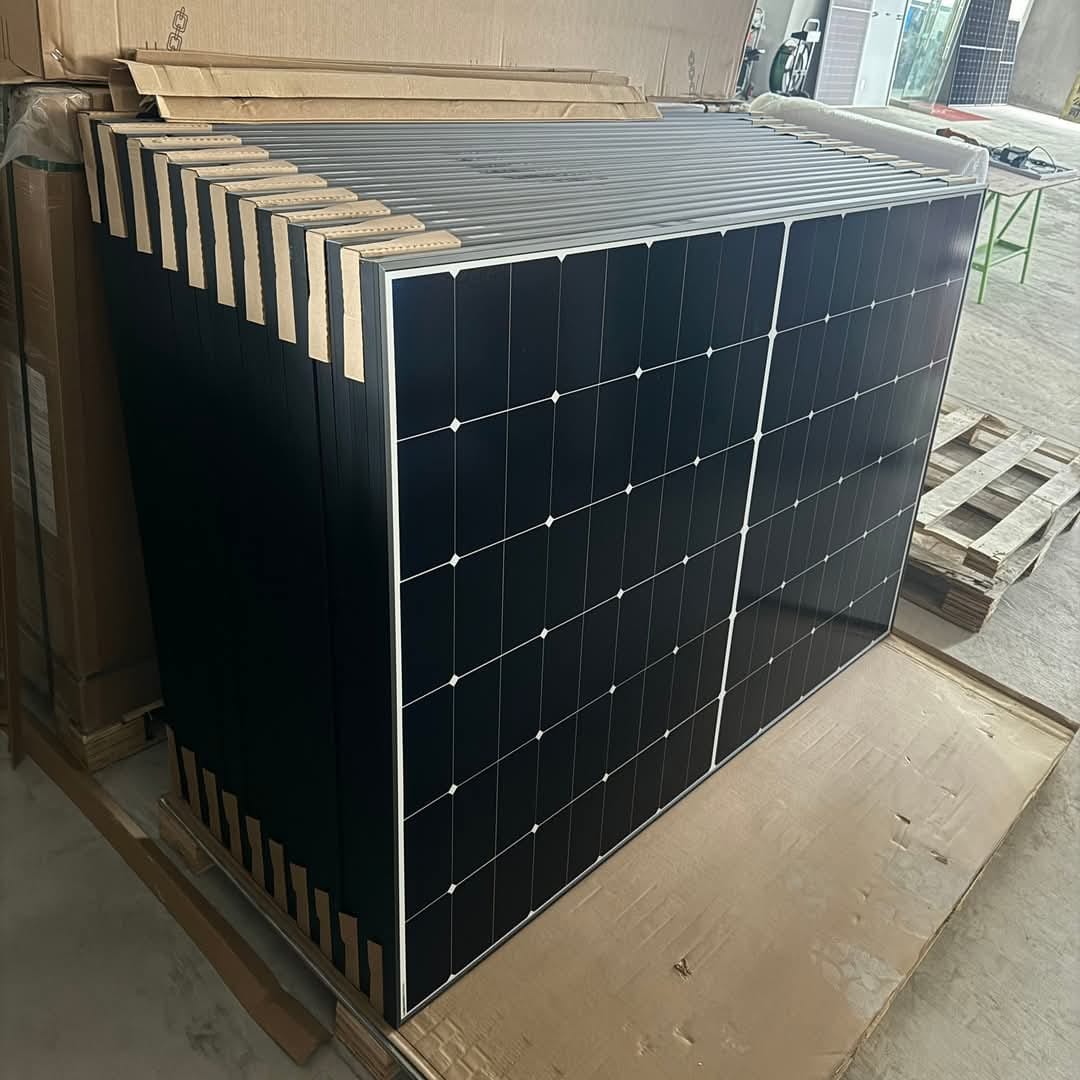
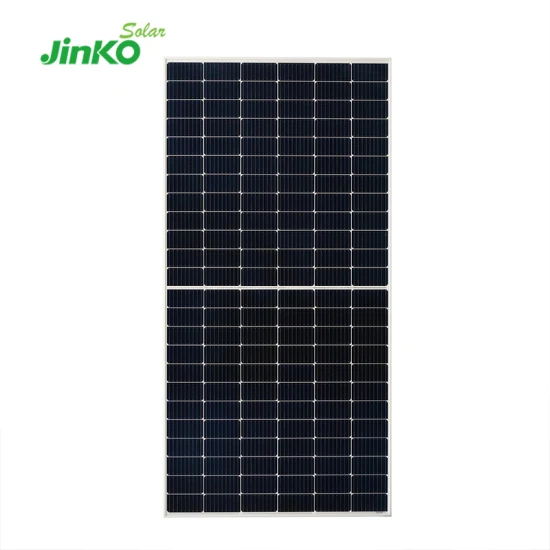
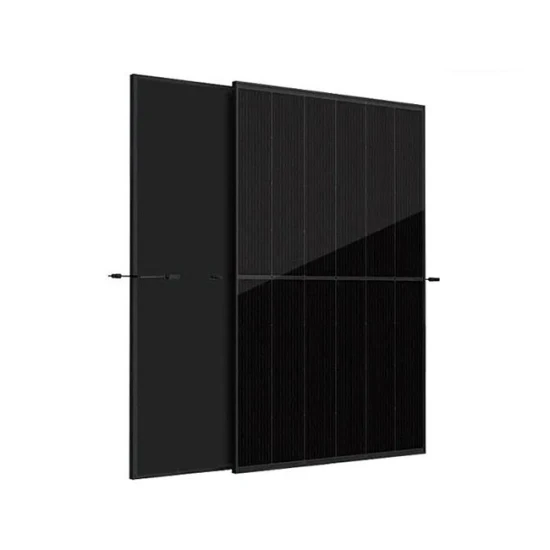
The Jinko 670W Tiger Neo 3.0 N-Type TOPCon Bifacial Solar Panel (model JKM670N-78HL4-BDV) is the most powerful solar panel available in Kenya as of 2026. Launched in late 2024 on Jinko’s HOT 4.0 platform, it pushes N-type TOPCon technology to its current limits — achieving 24.8% cell conversion efficiency with a 670W power rating from a 156-cell bifacial module.
This is not just a bigger panel — it represents the Tiger Neo 3.0 generation, incorporating Jinko’s patented HCP (High Current Performance) and MAX cell technologies. The result is the highest power density per square metre of any residential-format panel on the market, combined with an industry-leading 85% bifacial factor and a 30-year linear performance warranty.
Key Specifications
| Model | JKM670N-78HL4-BDV |
| Series | Tiger Neo 3.0 |
| Platform | HOT 4.0 |
| Maximum Power (Pmax) | 670W |
| Power Tolerance | 0~+3% |
| Cell Efficiency | Up to 24.8% |
| Cell Type | N-Type TOPCon Monocrystalline |
| Cell Size | 182mm × 182mm (M10) |
| Number of Cells | 156 (78×2 half-cut) |
| Bifacial Factor | Up to 85% |
| Open Circuit Voltage (Voc) | ~54.38V |
| Short Circuit Current (Isc) | ~15.72A |
| Maximum Power Voltage (Vmp) | ~45.87V |
| Maximum Power Current (Imp) | ~14.61A |
| Temperature Coefficient (Pmax) | -0.29%/°C |
| Operating Temperature | -40°C to +85°C |
| Maximum System Voltage | 1,500V DC |
| Dimensions (L×W×H) | 2,465 × 1,134 × 30mm |
| Weight | ~33.5 kg |
| Front Glass | 2.0mm tempered glass |
| Rear Glass | 2.0mm heat-strengthened glass |
| Frame | Anodized aluminium alloy |
| Junction Box | IP68 rated |
| Connector | MC4 compatible |
| Wind Load | 2,400 Pa |
| Snow/Mechanical Load | 5,400 Pa |
| Certifications | IEC 61215, IEC 61730, CE |
| Product Warranty | 12 years |
| Performance Warranty | 30 years linear (≥87.4% at year 30) |
What Makes Tiger Neo 3.0 Different from Earlier Tiger Neo
The Tiger Neo 3.0 (670W) isn’t just a higher-wattage version of the Tiger Neo (580W). It’s built on a newer platform with distinct advances:
- HOT 4.0 platform — next-generation cell passivation and metallisation vs HOT 2.0 on the 580W
- HCP (High Current Performance) technology — optimises current flow for higher power output per cell
- MAX technology — maximises cell conversion efficiency at the manufacturing level
- 24.8% cell efficiency — vs ~22.3% on the 580W Tiger Neo. A 2.5 percentage point improvement at the cell level
- 85% bifacial factor — vs 80% on the 580W. More rear-side energy capture
- Lower temperature coefficient — -0.29%/°C vs -0.30%/°C on the 580W. Even better hot-climate performance
- 156 cells — vs 144 on the 580W. More cells = more surface area = more power
Power Output — What 670W Generates in Kenya
A single Jinko 670W panel in Kenya’s 5-6 peak sun hours generates approximately 3.35-4.02kWh per day (front side only). With bifacial gain on a suitable installation, this rises to 3.85-5.0kWh per day per panel.
- 3 panels (2.01kW): Full 1-2 bedroom apartment coverage
- 4 panels (2.68kW): Standard 2-3 bedroom home — all common appliances
- 6 panels (4.02kW): Large 3-4 bedroom home — full coverage with generous margin
- 8 panels (5.36kW): High-consumption home or small business
- 10 panels (6.7kW): Medium commercial property
- 20 panels (13.4kW): Large commercial installation — factory, warehouse, hotel
670W vs 580W: The Upgrade Worth Considering
For the same roof space, the 670W delivers 15.5% more power than the 580W:
- Fewer panels needed — a 6-panel 670W system (4.02kW) delivers more power than a 7-panel 580W system (4.06kW), but uses less roof space
- Lower installation cost — fewer panels means fewer mounting brackets, less cabling, and less installation labour
- Better cost-per-watt at scale — for commercial installations using 20+ panels, the savings on mounting and labour become significant
- Future-proof technology — HOT 4.0 platform is Jinko’s newest. The 580W uses HOT 2.0
Ideal Applications
- Space-constrained roofs — maximum watts per square metre for tight installations
- Commercial ground-mount — bifacial 85% factor maximises energy harvest when elevated above reflective surfaces
- Solar farms — 670W reduces balance-of-system costs per watt (fewer panels, fewer connectors, fewer mounting points)
- High-consumption properties — hotels, factories, hospitals, schools with heavy energy needs
- Future-focused buyers — anyone who wants the latest and most advanced solar technology available
Compatible Inverters
The Jinko 670W works with all standard inverters but pay attention to current ratings:
- Deye (5kW, 6kW, 8kW, 10kW+ models)
- Growatt (SPH, MID, MAX series)
- Sunsynk (8kW, 12kW)
- Vestwood (6kW, 10kW, 15kW, 20kW)
- Goodwe, Victron, Luxpower, Solis
String sizing note: With Voc of ~54.38V (higher than the 580W’s ~49.92V), a 500V MPPT input handles up to 9 panels in series. For a 6kW inverter with 2 MPPTs: 2 strings of 4 panels (5.36kW) is the recommended residential configuration.
Installation Notes
- Dimensions: At 2,465mm long, the 670W is 187mm longer than the 580W (2,278mm). Verify your roof can accommodate the extra length
- Weight: 33.5 kg — two-person handling mandatory
- Mounting: Standard aluminium rail systems compatible. Ensure rail spans support the extra panel length
- Optimal for Kenya: The -0.29%/°C temperature coefficient is the best in the Jinko range — ideal for Kenya’s hot rooftop conditions
Warranty — Jinko’s Best
- 12-year product warranty — covers manufacturing defects and material failures
- 30-year linear performance warranty — guaranteed ≥87.4% power output at year 30
- 1st year degradation: ≤1%
- Annual degradation (year 2-30): ≤0.4%