
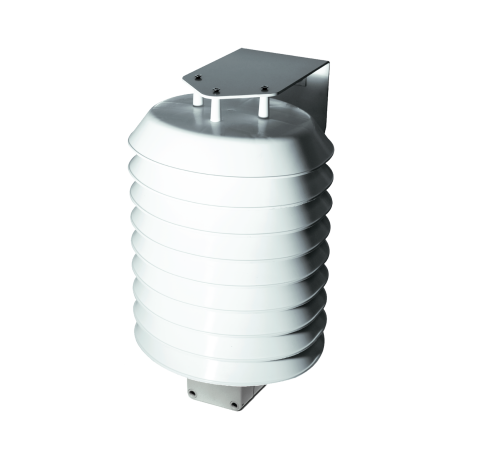
Solar ambient temperature sensors play a critical role in modern solar energy systems. They measure the surrounding air temperature around solar panels and related equipment, helping system owners, installers, and engineers monitor environmental conditions that directly affect solar performance.
As solar power adoption continues to grow across residential, commercial, and industrial sectors, accurate temperature monitoring has become essential for improving efficiency, protecting equipment, and ensuring long-term reliability.
Table of Contents
What Is a Solar Ambient Temperature Sensor?
A solar ambient temperature sensor is a device designed to measure the temperature of the air surrounding a solar photovoltaic (PV) system. Unlike panel temperature sensors that attach directly to the module, ambient sensors capture environmental temperature, which influences:
- Solar panel efficiency
- Inverter performance
- Battery behavior
- Overall system output
These sensors are commonly integrated into solar monitoring systems, weather stations, and smart energy management platforms.
Why Ambient Temperature Matters in Solar Systems
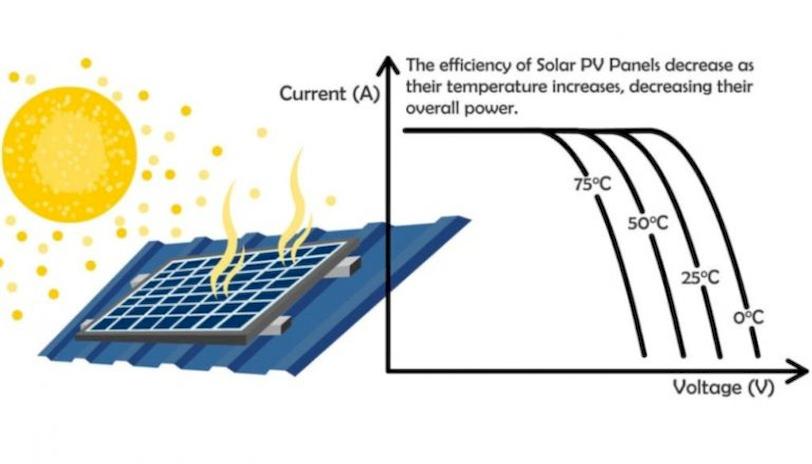
Ambient temperature has a direct impact on how solar systems perform:
- Higher temperatures reduce panel efficiency
- Extreme heat can shorten equipment lifespan
- Temperature variations affect voltage and current output
- Battery charging and discharging depends on temperature stability
By monitoring ambient temperature, system operators can better understand performance fluctuations and take preventive action when conditions become unfavorable.
How Solar Ambient Temperature Sensors Work
Solar ambient temperature sensors typically use advanced sensing technologies such as:
- Thermistors
- Resistance Temperature Detectors (RTDs)
- Digital temperature sensors
The sensor collects temperature data continuously and transmits it to a data logger, inverter, charge controller, or cloud-based monitoring system. This data is then used for analysis, alerts, and performance optimization.
Key Benefits of Solar Ambient Temperature Sensors
Improved System Efficiency
Accurate temperature data helps optimize inverter settings and energy output, especially during hot conditions.
Enhanced Equipment Protection
Sensors enable early detection of overheating risks, reducing the chance of system failure.
Better Performance Monitoring
Ambient temperature data helps distinguish between weather-related performance changes and system faults.
Supports Smart Energy Management
Temperature data improves forecasting, load management, and battery control in hybrid and off-grid systems.
Common Applications of Solar Ambient Temperature Sensors
- Residential rooftop solar systems
- Commercial and industrial solar plants
- Solar farms and utility-scale projects
- Hybrid solar and battery storage systems
- Solar-powered water pumping systems
- Weather stations for solar forecasting
These sensors are especially valuable in hot climates where temperature extremes can significantly impact system output.
Features to Look for in a Solar Ambient Temperature Sensor
When choosing a solar ambient temperature sensor, consider the following features:
- High accuracy and fast response time
- Weatherproof and UV-resistant housing
- Wide operating temperature range
- Compatibility with solar inverters and monitoring systems
- Low power consumption
- Long cable length or wireless capability
Selecting the right sensor ensures reliable data and long-term performance.
Installation and Placement Best Practices
For accurate readings, proper installation is essential:
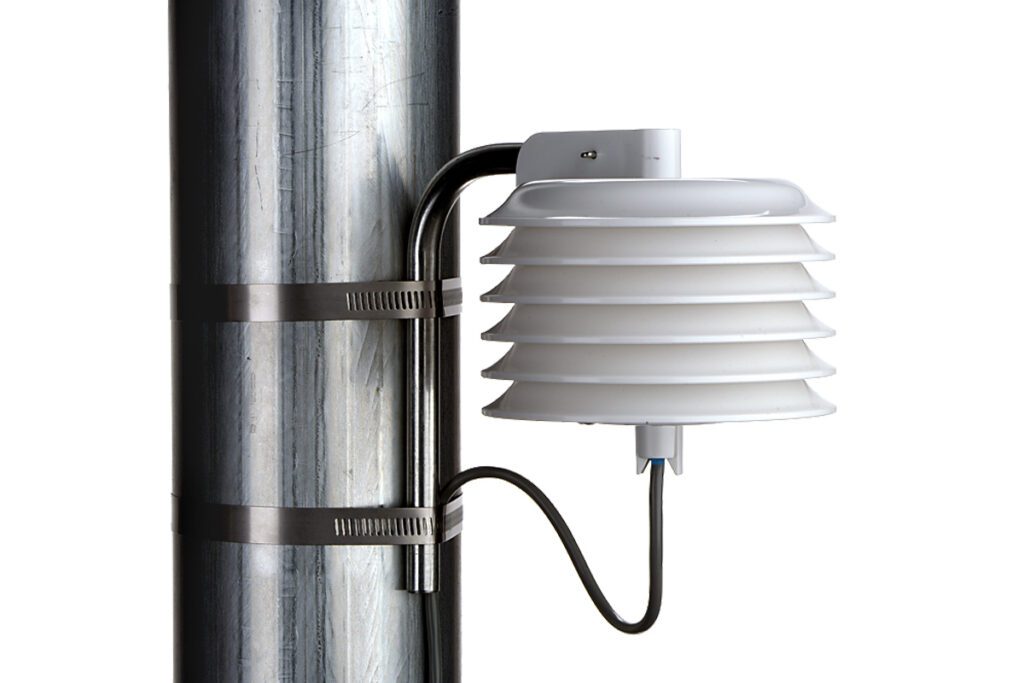
- Mount the sensor in a shaded, well-ventilated area
- Avoid direct sunlight and reflective surfaces
- Place it near the solar array but away from heat sources
- Secure cables to prevent weather damage
Correct placement ensures the sensor measures true ambient temperature rather than localized heat.
Maintenance and Calibration
Solar ambient temperature sensors require minimal maintenance, but periodic checks are recommended:
- Inspect for physical damage
- Clean dust or debris buildup
- Verify readings against reference devices
- Recalibrate if accuracy drifts over time
Regular maintenance ensures consistent and reliable temperature data.
Role in Advanced Solar Monitoring Systems
Modern solar monitoring platforms rely heavily on ambient temperature data to:
- Calculate performance ratios
- Predict energy yield
- Trigger alarms during abnormal conditions
- Improve system diagnostics
As solar technology evolves, temperature sensors are becoming standard components in smart solar installations.
Frequently Asked Questions (FAQs)
What is a solar ambient temperature sensor?
A solar ambient temperature sensor measures the surrounding air temperature near a solar PV system. This data helps assess environmental conditions that influence solar panel efficiency, inverter performance, and battery operation.
Why is ambient temperature important for solar systems?
Ambient temperature affects solar panel voltage, power output, and overall efficiency. High temperatures can reduce panel performance and shorten equipment lifespan, making temperature monitoring essential for system optimisation.
How is an ambient temperature sensor different from a panel temperature sensor?
An ambient temperature sensor measures air temperature around the system, while a panel temperature sensor measures the actual temperature of the solar module surface. Both are important for accurate performance analysis.
Where should a solar ambient temperature sensor be installed?
It should be installed in a shaded, well-ventilated location near the solar array, away from direct sunlight and artificial heat sources to ensure accurate readings.
Can solar ambient temperature sensors work with solar monitoring systems?
Yes. Most modern sensors integrate with solar inverters, charge controllers, data loggers, and cloud-based monitoring platforms for real-time data analysis and alerts.
Are solar ambient temperature sensors weatherproof?
Most sensors designed for solar applications are weather-resistant, UV-protected, and suitable for outdoor environments, including hot and humid climates.
Do solar ambient temperature sensors require maintenance?
Maintenance is minimal. Periodic inspection, cleaning, and occasional calibration checks help ensure long-term accuracy and reliability.
Are ambient temperature sensors necessary for small solar systems?
While not mandatory, they are highly beneficial even for small residential systems as they improve performance tracking, fault diagnosis, and system optimisation.
Conclusion
Solar ambient temperature sensors are essential tools for maximizing solar system efficiency, protecting equipment, and gaining deeper insights into system performance. By accurately monitoring environmental conditions, these sensors help solar users make informed decisions, reduce downtime, and extend the lifespan of their solar investments.
Whether for residential rooftops or large-scale solar plants, integrating a reliable ambient temperature sensor is a smart step toward a more efficient and resilient solar energy system.