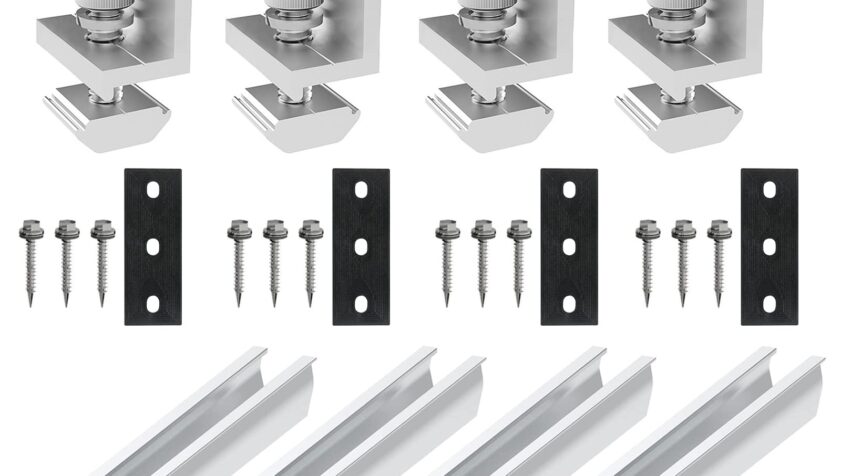
Solar mounting structures are the backbone of any solar power system. They securely hold solar panels in place, ensuring correct orientation, durability, and maximum energy generation. Whether installed on rooftops, the ground, or poles, a well-designed mounting structure directly affects the efficiency, safety, and lifespan of a solar system.
In Kenya’s diverse climate, ranging from coastal humidity to highland winds, choosing the right solar mounting structure is critical for long-term performance.
Table of Contents
What Are Solar Mounting Structures?
Solar mounting structures are engineered frameworks made from metal or steel that support solar panels. Their primary functions include:
- Holding solar panels at the correct tilt and angle
- Withstanding wind, rain, and environmental stress
- Preventing panel movement or damage
- Ensuring proper airflow and cooling
A quality mounting structure protects your solar investment and ensures compliance with installation standards.
Types of Solar Mounting Structures
1. Rooftop Solar Mounting Structures
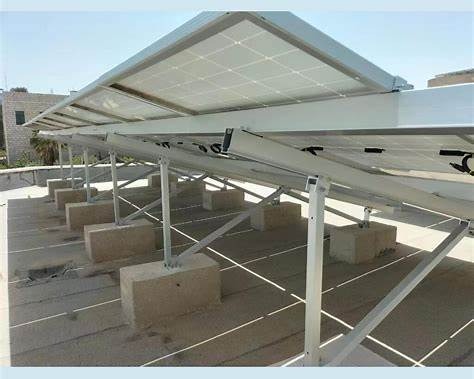
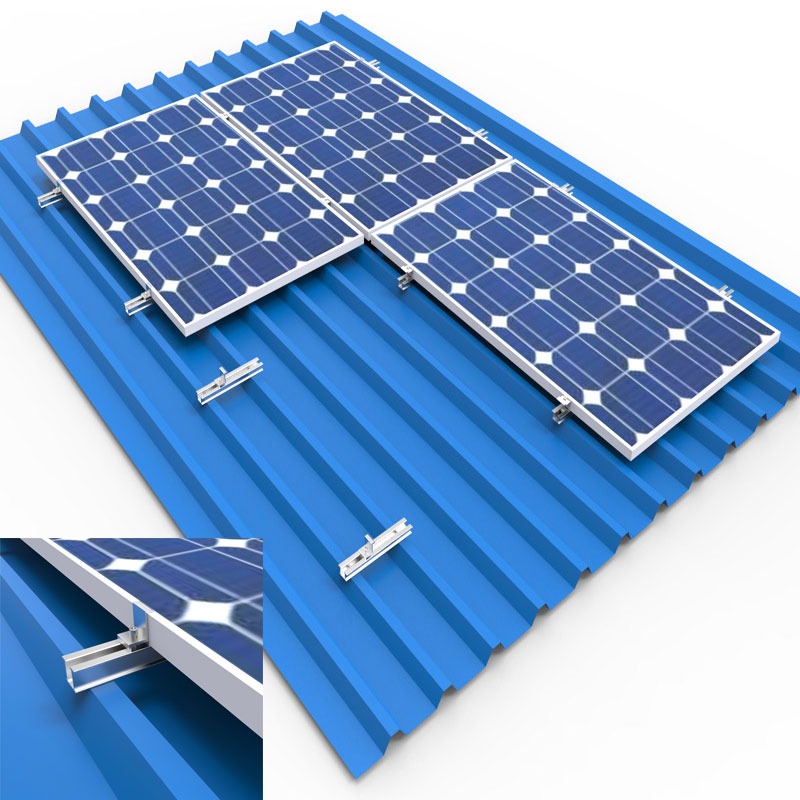
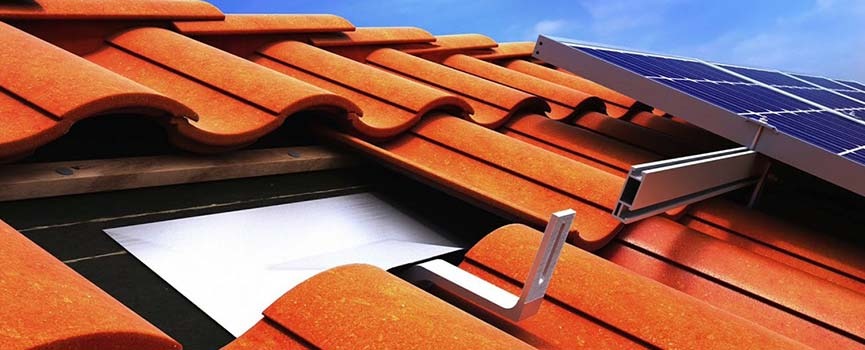
Rooftop mounting structures are the most common choice for residential and commercial solar installations in Kenya.
Suitable for:
- Homes
- Offices
- Schools
- Commercial buildings
Key features:
- Installed on concrete, metal, or tiled roofs
- Lightweight aluminium or galvanised steel
- Saves ground space
- Fixed or adjustable tilt options
2. Ground-Mounted Solar Structures
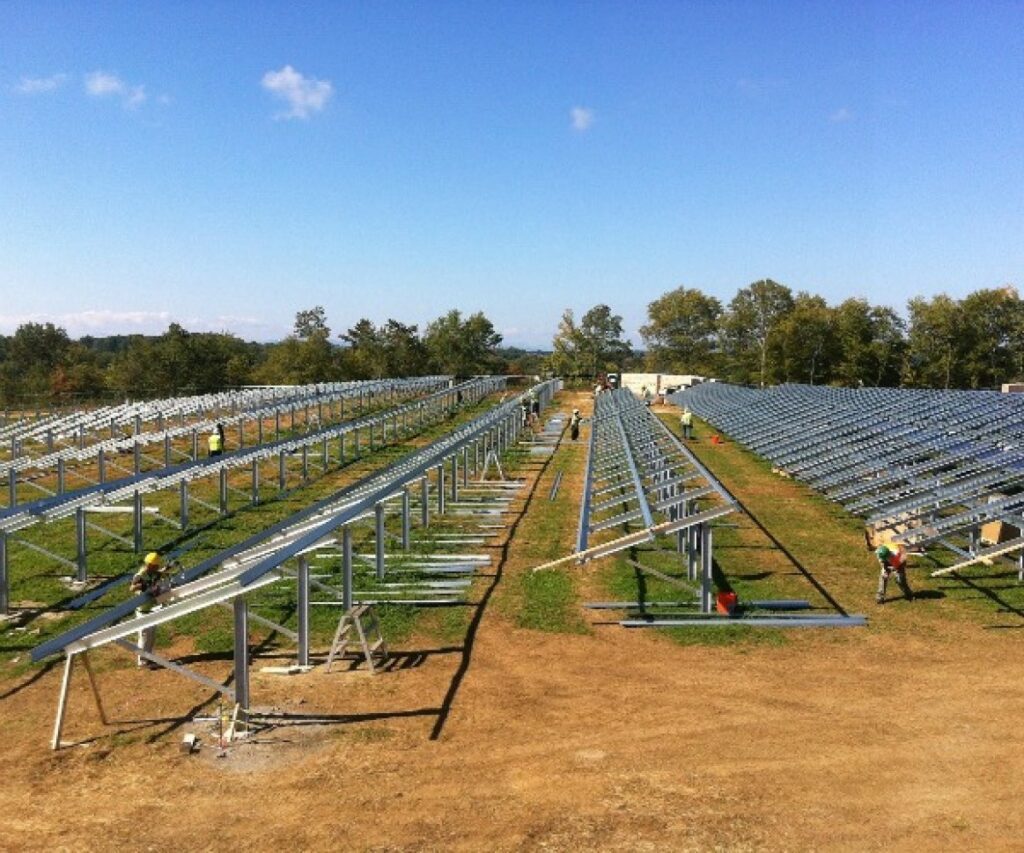
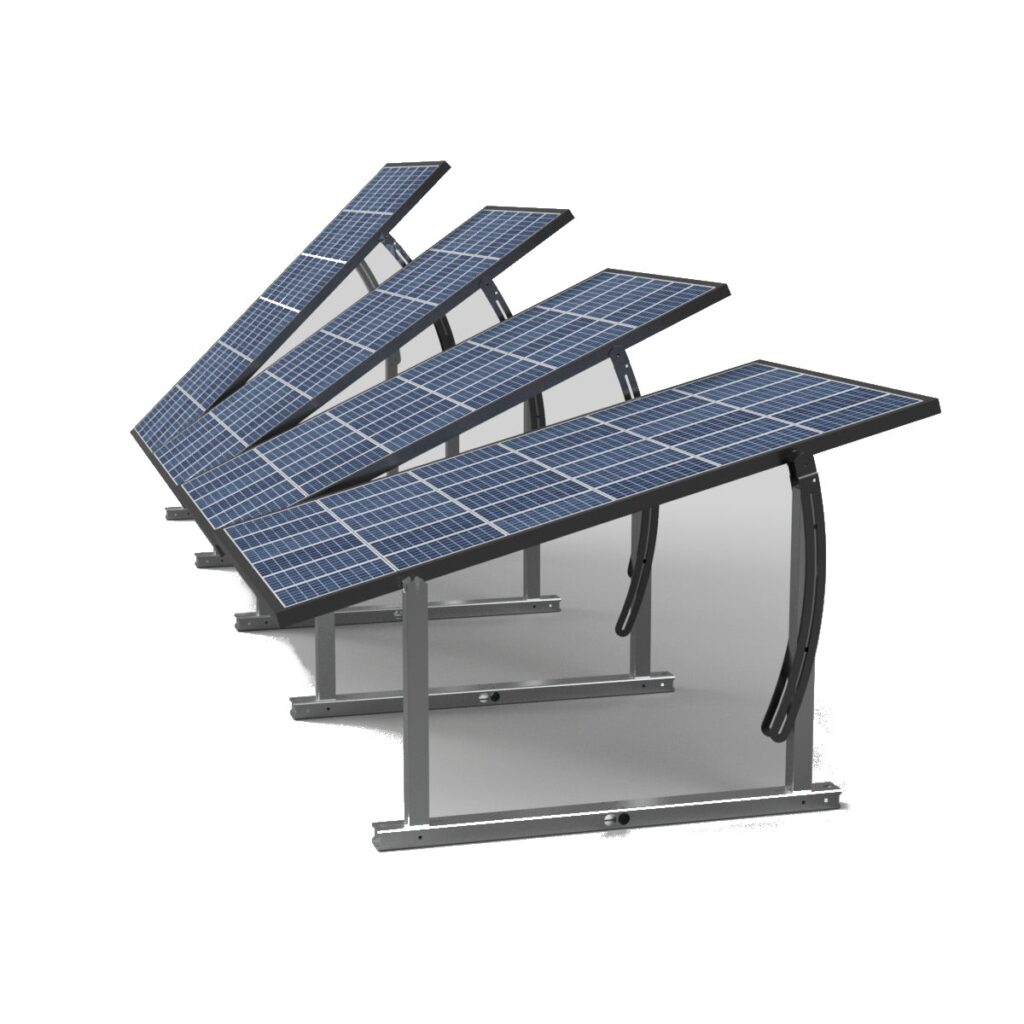
Ground-mounted structures are ideal where roof space is limited or large systems are required.
Suitable for:
- Farms and ranches
- Institutions
- Solar farms
- Industrial installations
Advantages:
- Easy maintenance access
- Optimal tilt and orientation
- Scalable for large power systems
3. Pole-Mounted Solar Structures
Pole-mounted structures elevate solar panels above ground level.
Common applications:
- Solar street lights
- Security cameras
- Remote off-grid systems
Benefits:
- Reduced shading
- Enhanced security
- Minimal ground footprint
Materials Used in Solar Mounting Structures
Choosing the right material ensures durability and safety.
| Material | Benefits |
| Aluminium | Lightweight, corrosion-resistant, long lifespan |
| Galvanised Steel | High strength, cost-effective, wind-resistant |
| Stainless Steel | Excellent corrosion resistance (coastal areas) |
In Kenya, aluminium and hot-dip galvanised steel are the most widely used due to durability and affordability.
Why Solar Mounting Structures Matter
High-quality solar mounting structures offer several advantages:
- Maximised energy output through correct tilt and orientation
- Long-term stability in strong winds and heavy rains
- Protection of solar panels from physical damage
- Improved system lifespan
- Compliance with safety standards
Poor-quality mounts can lead to loose panels, reduced performance, and costly repairs.
How to Choose the Right Solar Mounting Structure in Kenya
When selecting a mounting structure, consider the following factors:
1. Roof or Installation Surface
Concrete roofs, metal roofs, and ground installations require different mounting designs.
2. Wind Load and Weather Conditions
Areas like Nairobi, Nakuru, and coastal regions need strong wind-resistant structures.
3. System Size
Larger solar systems need reinforced and scalable mounting solutions.
4. Tilt Angle
Kenya’s optimal solar tilt ranges between 10° and 20°, depending on location.
5. Corrosion Resistance
Coastal and humid regions require corrosion-protected materials.
Installation Best Practices
Professional installation ensures safety and performance. Best practices include:
- Secure anchoring to roof or ground
- Correct spacing for airflow and cooling
- Use of stainless steel bolts and clamps
- Proper earthing and bonding
- Compliance with solar installation standards
Solar Mounting Structure Prices in Kenya
Prices vary depending on:
- Type of structure (rooftop, ground, pole)
- Material used
- System size (kW)
- Installation complexity
💡 Tip: Always request a site assessment before pricing to ensure accurate quotation.
Maintenance of Solar Mounting Structures
Solar mounting structures require minimal maintenance, but periodic checks are recommended:
- Inspect bolts and clamps annually
- Check for corrosion or rust
- Ensure panels remain firmly secured
- Clear debris and vegetation around ground mounts
Frequently Asked Questions (FAQs)
Are solar mounting structures adjustable?
Yes. Some systems allow adjustable tilt angles to optimise performance.
Can solar panels be mounted without drilling?
Ballasted mounting systems exist but are mostly used for flat roofs and commercial projects.
How long do solar mounting structures last?
Quality structures can last 20–25 years, matching the lifespan of solar panels.
Conclusion
Solar mounting structures are a critical component of every solar power system. Choosing the right structure improves efficiency, safety, and durability—especially under Kenya’s varying environmental conditions. Whether for rooftop, ground, or pole installations, investing in quality mounting solutions ensures long-term returns on your solar investment.
If you are planning a solar installation, always work with experienced solar professionals who understand local conditions and standards.