
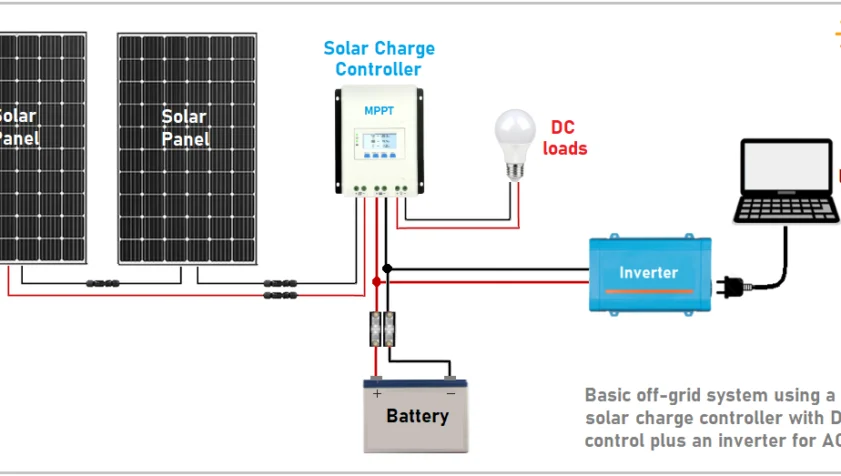
A solar charge controller is a critical component of any solar power system. Among the available options, the MPPT solar charge controller (Maximum Power Point Tracking) stands out as the most efficient and advanced technology for managing energy from solar panels to batteries.
Whether you are installing a home solar system, commercial backup solution, or off-grid solar setup, an MPPT charge controller ensures you get maximum power output, faster battery charging, and higher system efficiency.
What Is an MPPT Solar Charge Controller?
An MPPT solar charge controller is an intelligent device that continuously tracks the maximum power point of solar panels and converts excess voltage into usable current. This allows the system to extract up to 30% more energy compared to conventional controllers.
Unlike basic controllers, MPPT units automatically adapt to:
- Changing sunlight conditions
- Temperature variations
- Different panel voltages
How an MPPT Charge Controller Works
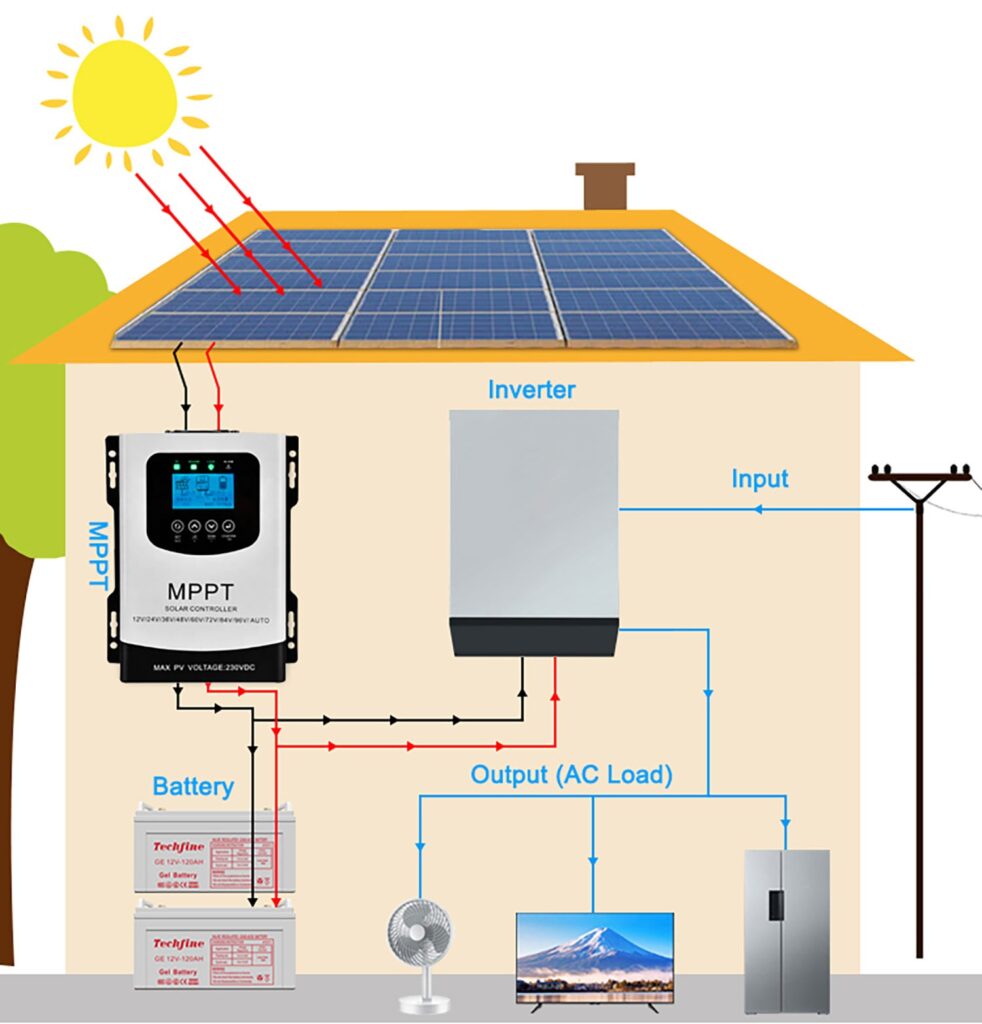
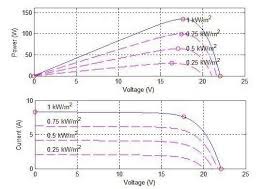
MPPT controllers operate by:
- Measuring real-time panel voltage and current
- Identifying the optimal power point
- Converting higher panel voltage into increased charging current
- Delivering stable, regulated power to batteries
This process ensures minimal energy loss and optimal battery charging, even in low-light conditions.
MPPT vs PWM Solar Charge Controllers
| Feature | MPPT Controller | PWM Controller |
| Efficiency | Up to 98% | 70–80% |
| Power Output | Higher (20–30% gain) | Lower |
| Panel Voltage Flexibility | High | Limited |
| System Size | Medium to large | Small systems |
| Cost | Higher | Lower |
Verdict: If efficiency, scalability, and long-term savings matter, MPPT is the better investment.
Key Benefits of MPPT Solar Charge Controllers
✅ Higher Energy Harvest
MPPT controllers maximise power output even during cloudy weather or early mornings.
✅ Faster Battery Charging
Optimised current delivery reduces charging time and improves system reliability.
✅ Supports High-Voltage Solar Panels
Ideal for modern solar panels with higher voltage ratings.
✅ Longer Battery Life
Smart charging stages (bulk, absorption, float) protect batteries from overcharging.
✅ Ideal for Large & Hybrid Systems
Perfect for off-grid, hybrid, and commercial solar installations.
Common Applications of MPPT Controllers
- Residential solar power systems
- Commercial and industrial solar setups
- Off-grid homes and cabins
- Solar water pumping systems
- Telecom and CCTV solar installations
- Hybrid inverter solar systems
How to Choose the Right MPPT Solar Charge Controller
When selecting an MPPT controller, consider:
🔹 System Voltage
Choose 12V, 24V, 48V, or higher depending on your battery bank.
🔹 Panel Input Voltage (Voc)
Ensure the controller supports your panel string voltage.
🔹 Charging Current Rating
Always size 20–30% higher than your expected load.
🔹 Display & Monitoring
Look for LCD displays, Bluetooth, or remote monitoring options.
🔹 Safety Features
Over-voltage, reverse polarity, short-circuit, and temperature protection are essential.
MPPT Solar Charge Controller Prices in Kenya
Prices vary depending on brand, capacity, and features:
| Capacity | Estimated Price Range (KES) |
| 20A – 30A | KES 8,000 – 15,000 |
| 40A – 60A | KES 18,000 – 35,000 |
| 80A – 100A | KES 40,000 – 80,000 |
💡 Prices may vary based on specifications, brand quality, and installation requirements.
Installation Tips for MPPT Charge Controllers
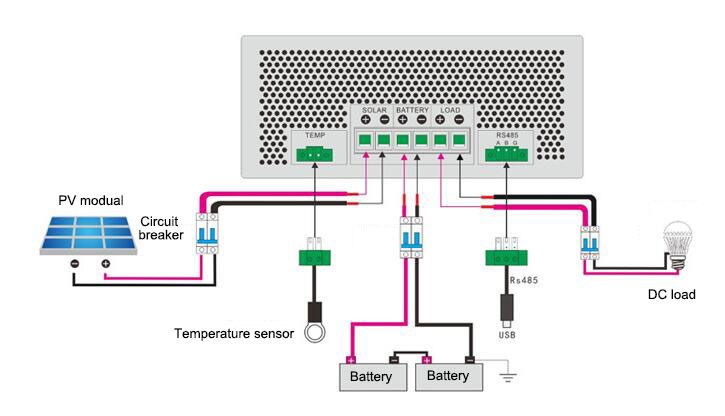
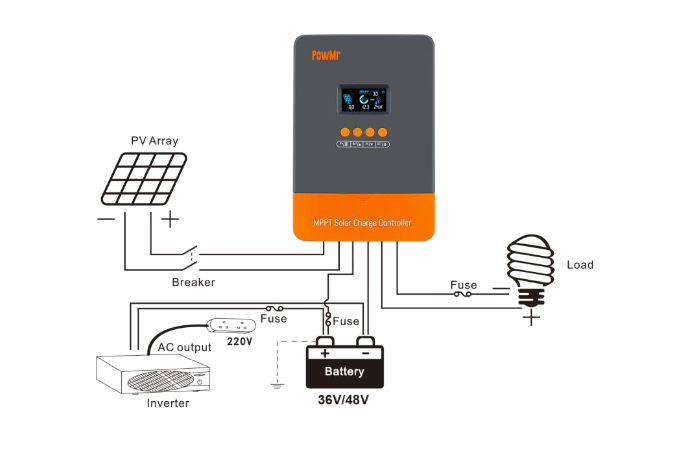
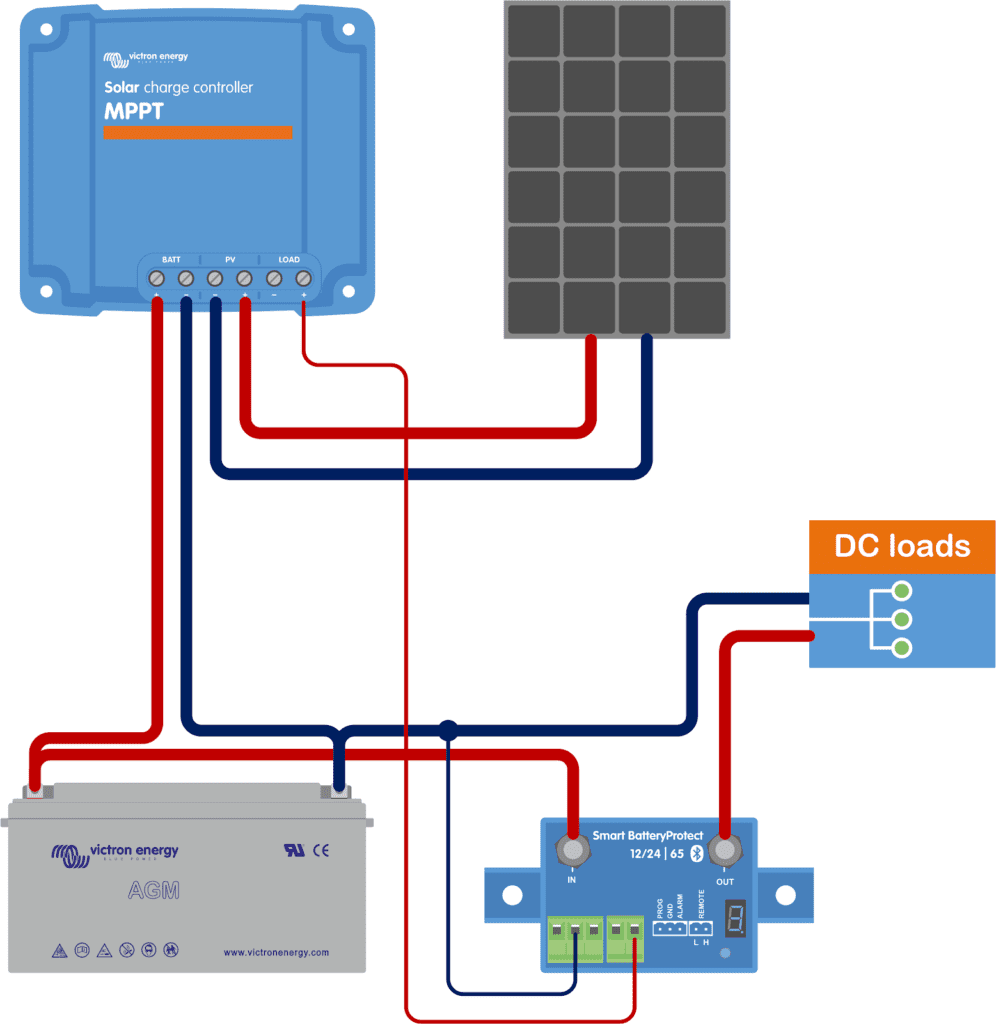
- Install the controller close to the battery bank
- Use correct cable sizes to minimise voltage drop
- Connect the battery first before solar panels
- Ensure proper ventilation to prevent overheating
- Follow manufacturer wiring diagrams strictly
Maintenance and Troubleshooting
MPPT controllers require minimal maintenance:
- Keep terminals clean and tight
- Ensure firmware is updated (if applicable)
- Monitor charging data regularly
- Check error codes on the display
Frequently Asked Questions (FAQ)
Is MPPT worth the extra cost?
Yes. MPPT controllers deliver higher efficiency, faster charging, and better long-term savings.
Can MPPT work with lithium batteries?
Yes. Most modern MPPT controllers support LiFePO₄, AGM, Gel, and lead-acid batteries.
Do MPPT controllers work in cloudy weather?
Yes. MPPT technology performs significantly better than PWM in low-light conditions.
Can I upgrade from PWM to MPPT?
Absolutely. MPPT controllers are backward compatible with most solar systems.
Why Choose an MPPT Solar Charge Controller
An MPPT solar charge controller is the backbone of a high-performance solar power system. With superior efficiency, intelligent power tracking, and long-term cost benefits, MPPT technology is the best choice for homes, businesses, and off-grid applications.
If you want maximum solar energy output, improved battery health, and future-proof scalability, MPPT is the smart investment.