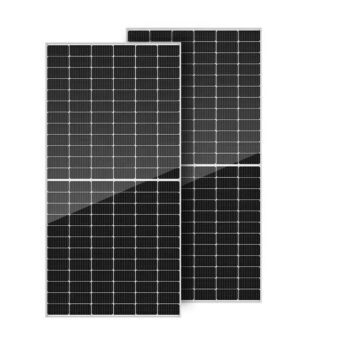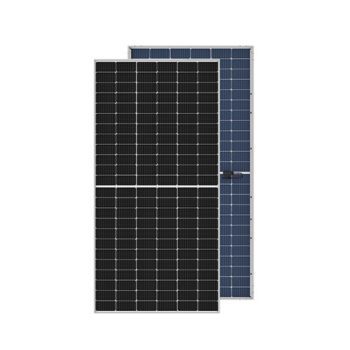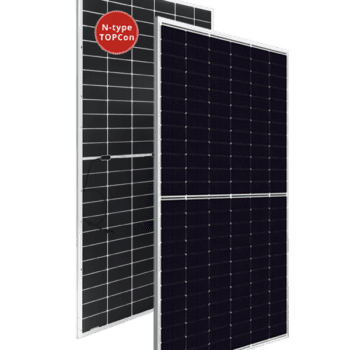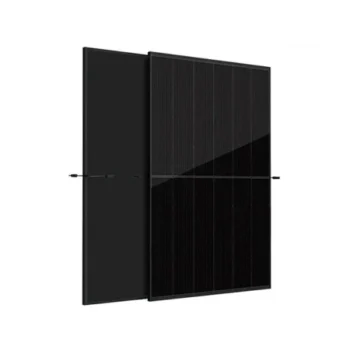
Description
The 210mm M12 Wafer Generation
The HiKu7 670W belongs to a different generation of solar modules than the rest of Canadian Solar’s Kenya range. Where the HiKu6 series uses 182mm M10 wafers — the standard cell size that has dominated the global market since 2020 — the HiKu7 is built around larger 210mm M12 wafers, an industrial format pioneered for utility-scale solar farms.
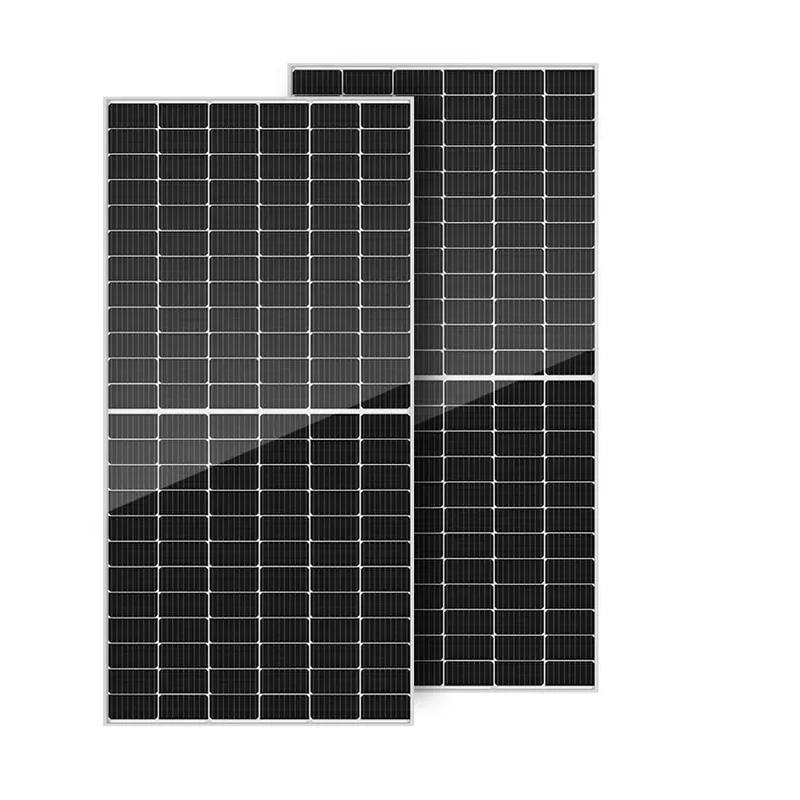
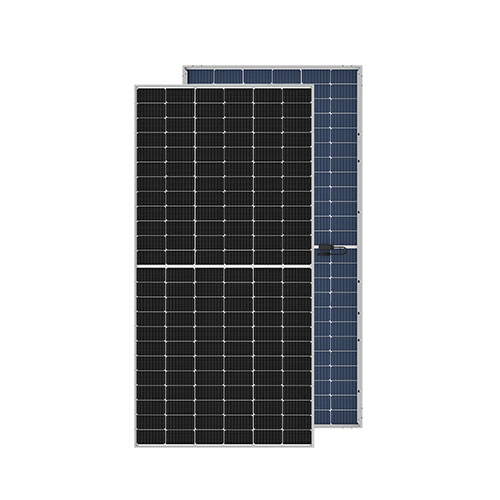
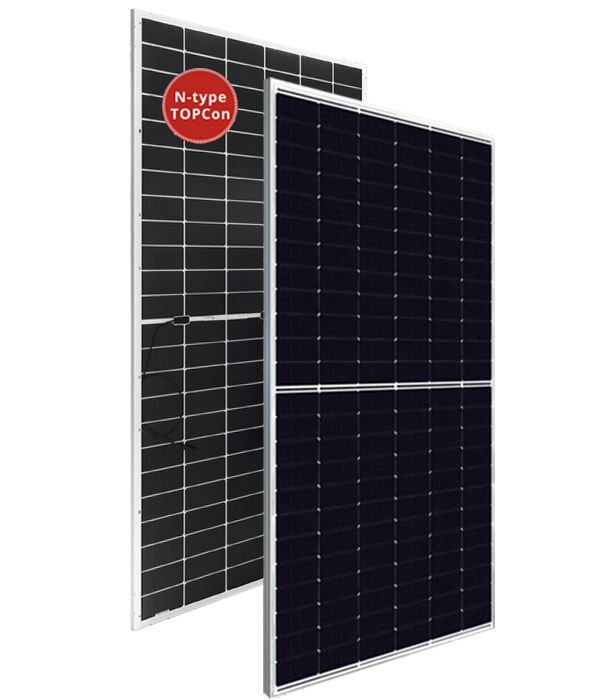
Larger wafers carry more current per cell. Combined with half-cut architecture (132 cells in a 66×2 layout), this enables a single module to produce 670W of nominal power with electrical characteristics tuned for commercial and industrial inverter inputs. The Imp of 17.45A is roughly 30% higher than M10-based panels, and matching this current correctly is the most important consideration when designing a HiKu7 system.
Why Industrial Buyers Specify the HiKu7
The case for the 670W over smaller modules has nothing to do with the watts themselves. It’s about reducing the per-watt installed cost of a large project. DNV’s independent technology assessment of the HiKu7 quantified this:
- Up to 5.7% lower BOS (Balance of System) cost. Fewer modules per kilowatt means fewer mounting brackets, less cable, fewer junction connections, less labour per kW installed.
- Up to 3% lower LCOE (Levelized Cost of Energy). The combined effect of reduced BOS cost and the panel’s slightly higher efficiency translates to a lower cost per kWh generated over the system lifetime.
- Fewer string cables and combiner inputs. A 100kW system needs 149 of the 670W modules versus 182 of the 550W modules — a 33-module reduction that simplifies wiring substantially.
For a residential customer installing 6 panels, none of this matters. For a commercial customer installing 60 panels, it changes the project economics by tens of thousands of shillings.
The Inverter Compatibility Question
The single most important specification on the HiKu7 is its short-circuit current of 18.75A. This is significantly higher than the 14A typical of M10-based 550W panels. When configuring a system, your inverter’s MPPT input current rating must be capable of handling this — otherwise the inverter clips the panel’s output, and you pay for watts you can’t use.
Most modern Hybrid Inverters have MPPT inputs rated for 18–25A, which accommodates the HiKu7 comfortably. Older or budget inverters may have 12–15A inputs that throttle the 670W to its rated current rather than peak. Always check the specific inverter datasheet before specifying.
System Configurations
- Larger residential (4-bedroom + AC): 6–7 panels (4.02–4.69kW) with a Vestwood 8kW hybrid inverter and 15kWh battery
- Small business (shop / workshop): 10–15 panels (6.7–10.05kW) with a Vestwood 10kW three-phase inverter
- SME / commercial roof: 20–40 panels (13.4–26.8kW) with a Vestwood 15kW three-phase inverter or multiple units in parallel
- Ground-mount solar farm: 50+ panels in a fixed-tilt array
STC Performance Data
- Pmax: 670W
- Voc: 45.7V
- Isc: 18.75A
- Vmp: 38.4V
- Imp: 17.45A
- Module efficiency: 21.6%
- Maximum system voltage: 1500V DC
- Mechanical load: 5400 Pa snow / 2400 Pa wind
Physical Dimensions and Mounting
The HiKu7 is physically larger than HiKu6 panels: 2,384 × 1,303mm with a 35mm frame. At 34.4 kg, it requires reinforced mounting hardware and is generally a two-person installation. Verify your roof structure can support the additional point loads before specifying.
Use the Solar Calculator or request a custom quote.