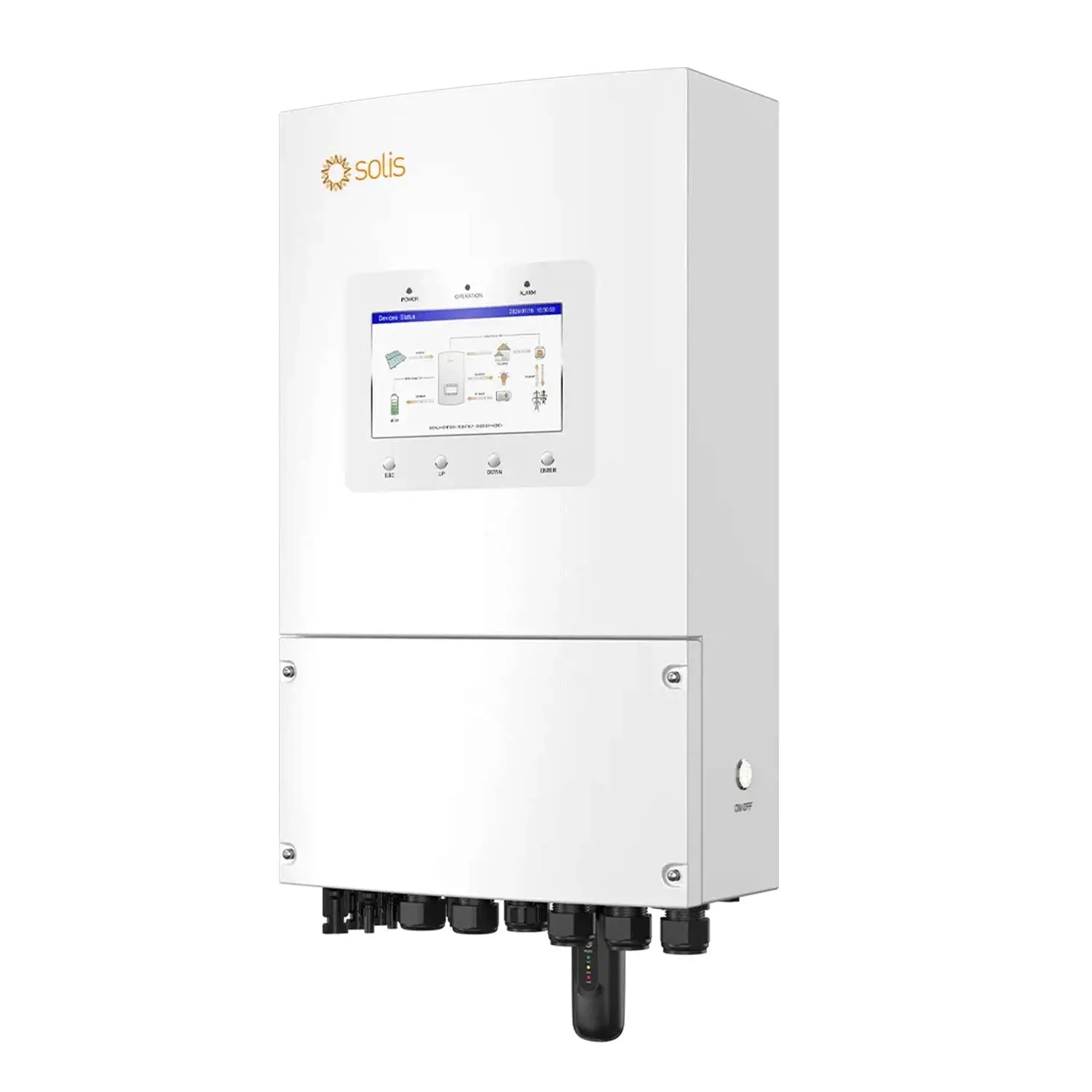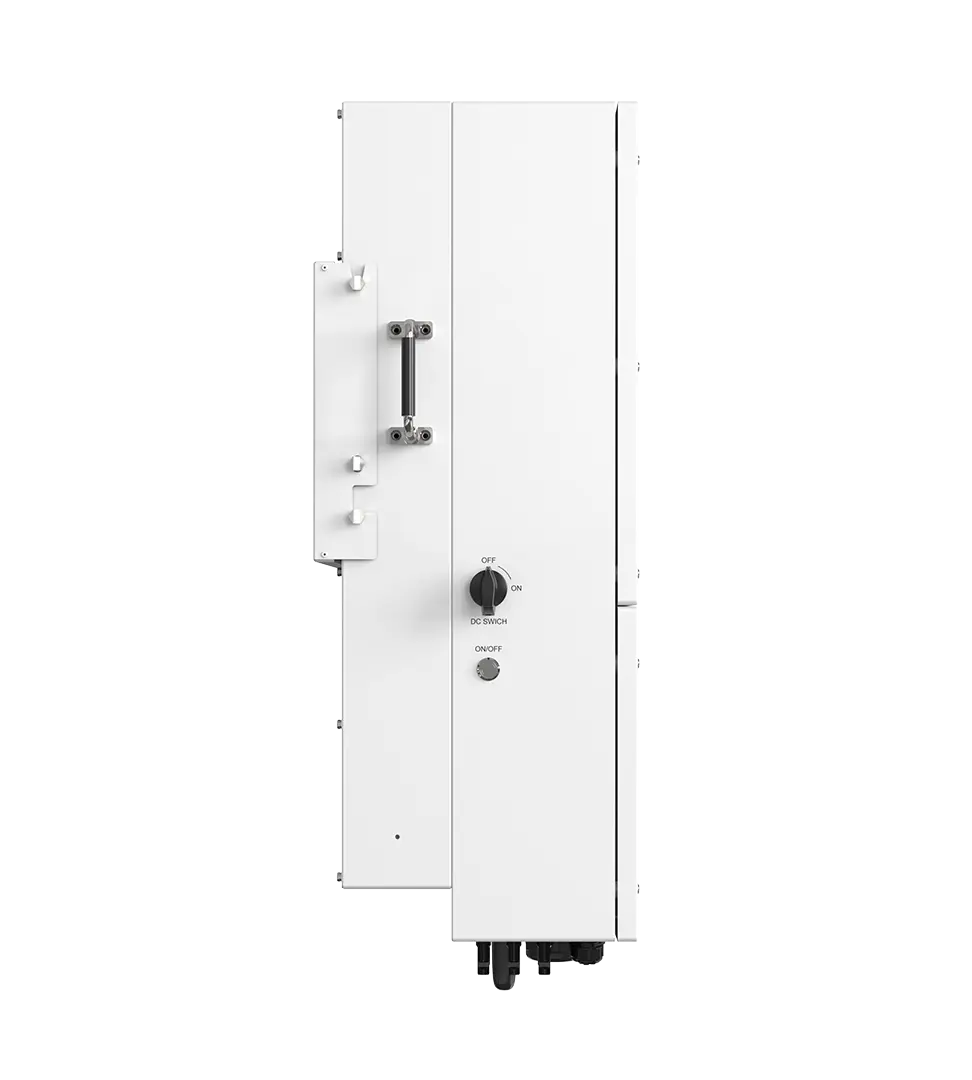
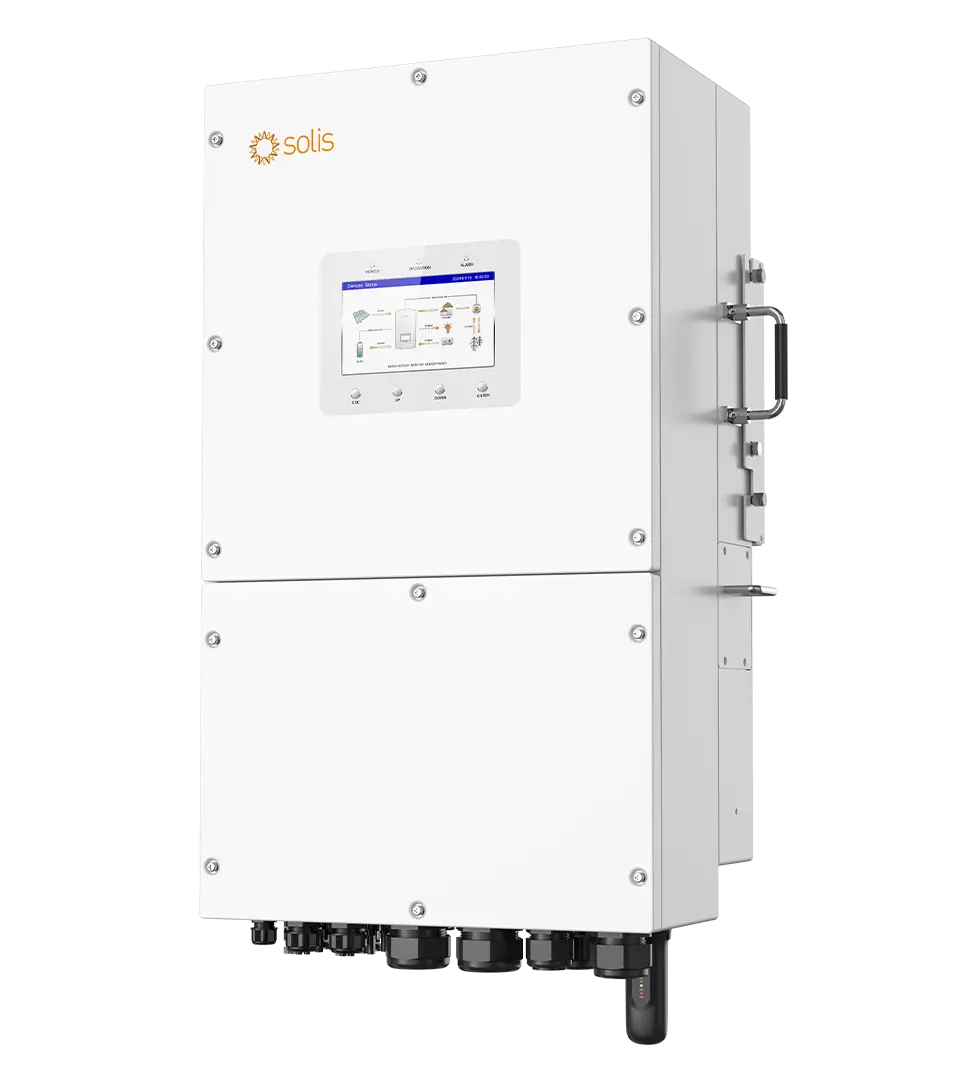
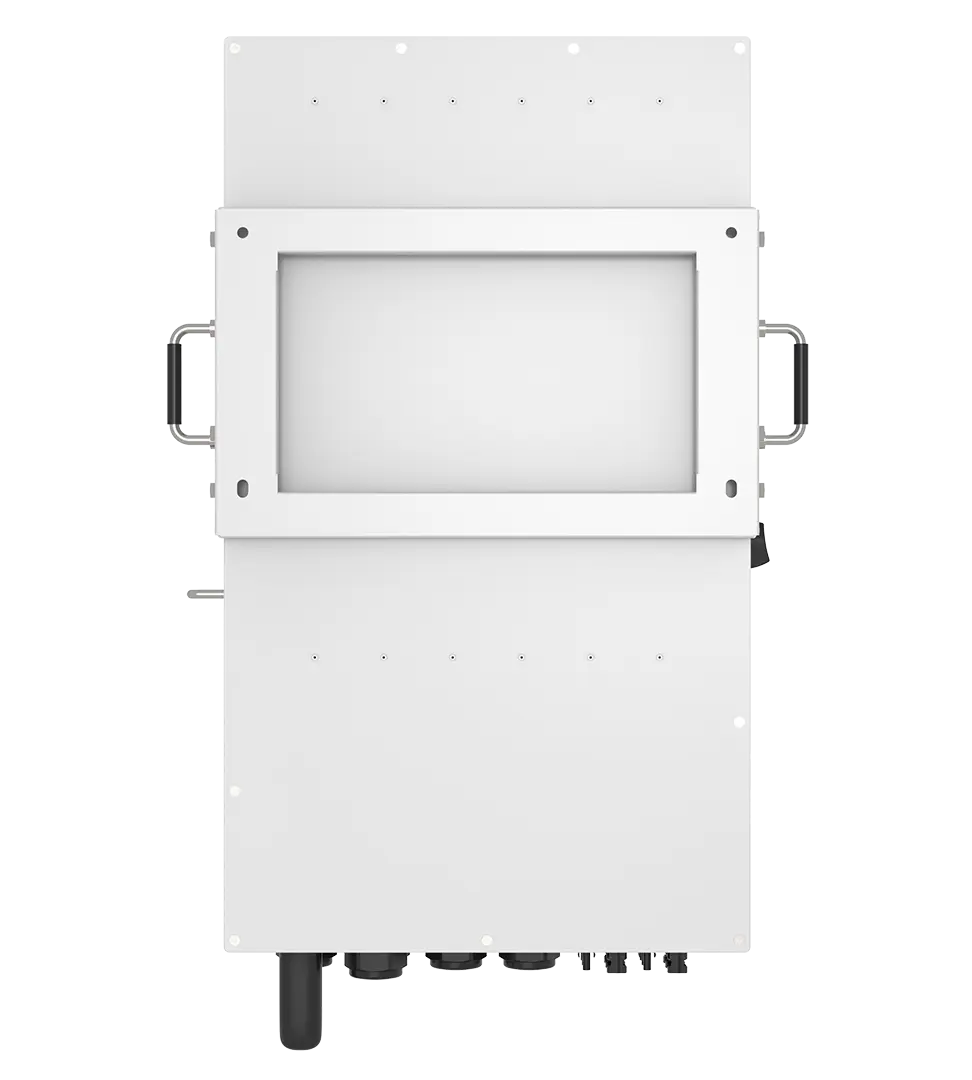
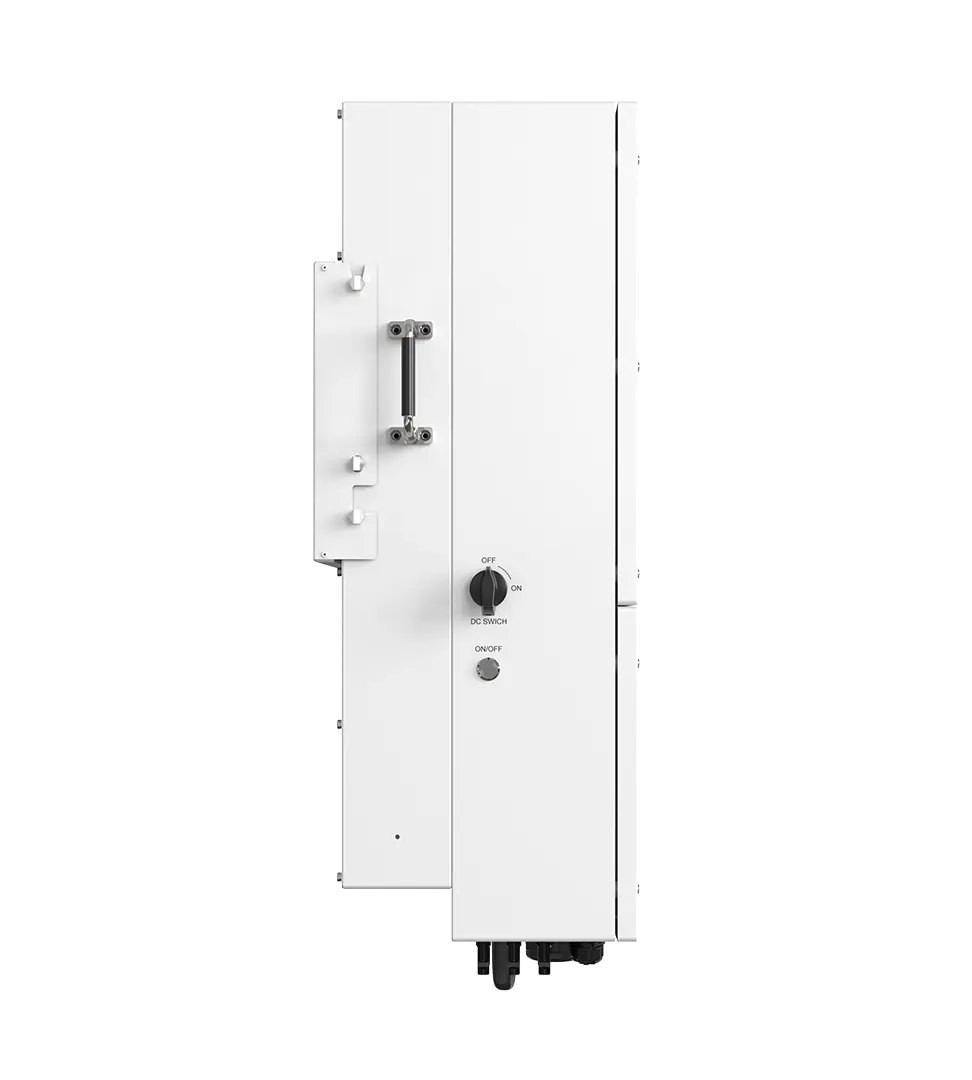
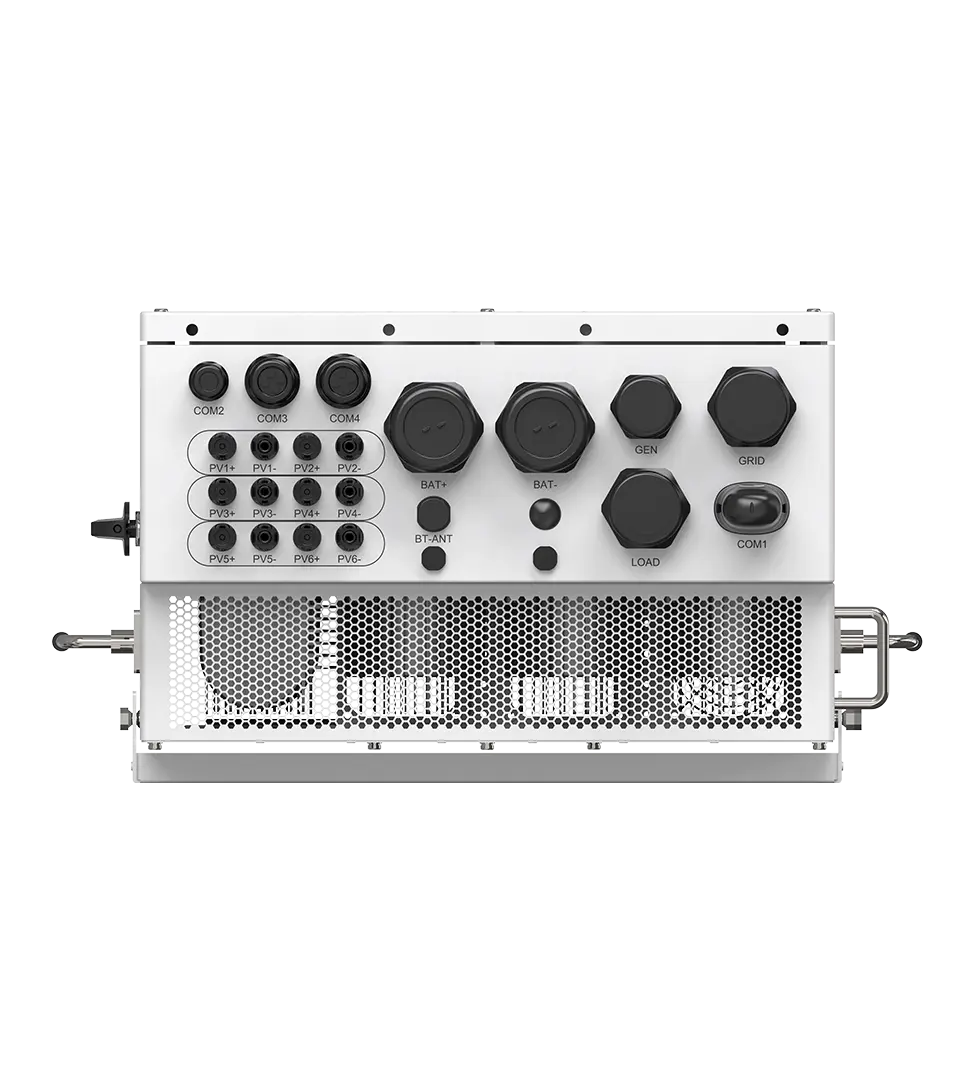
Description
The Largest Single-Phase Hybrid Inverter in the Kenyan Market
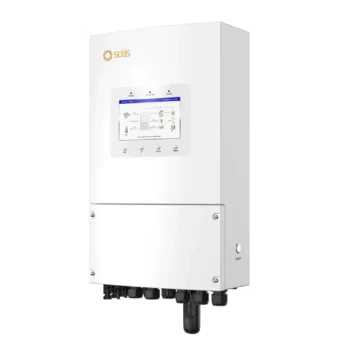
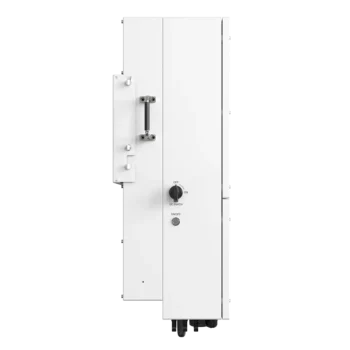
Almost every commercial-grade hybrid inverter in Kenya at the 12kW power level is three-phase. The reasoning is electrical: most properties large enough to need 12kW of solar are also large enough to have three-phase utility supply. But that assumption breaks down in several real-world Kenyan scenarios — and that’s where the Solis S6-EH1P12K03-NV-YD-L exists.
This is the largest single-phase hybrid inverter in widespread distribution in the Kenyan market. It’s purpose-built for a niche but growing buyer profile: people who need serious 12kW capacity but whose buildings are wired single-phase and can’t economically be converted to three-phase.
Why a 12kW Single-Phase Inverter Even Exists
The market reasoning is specific. Single-phase utility connections in Kenya are limited to certain power thresholds — typically up to 23kVA (single-phase domestic and small commercial). If your building has a single-phase connection but heavy electrical demand, you have three options:
- Apply for a three-phase utility upgrade. Costs several hundred thousand shillings, requires utility surveys, new transformers in some cases, and months of waiting.
- Install multiple smaller single-phase inverters. Three 5kW units = 15kW capacity but with three separate installations, three separate monitoring systems, and complex wiring.
- Install a single 12kW single-phase inverter. Match your existing single-phase supply, get full capacity from one unit, one set of wiring, one monitoring dashboard.
Option 3 only works if a 12kW single-phase inverter actually exists at commercial quality. The S6-EH1P12K03-NV-YD-L is one of the very few that does.
Buyer Profiles That Specifically Need This Inverter
- Very large family homes (5+ bedrooms, 3+ AC units): Modern Kenyan luxury homes with multiple ACs, electric water heating, swimming pool pump, and entertainment systems can easily peak at 10–12kW. If the home is on a single-phase supply (common in older neighbourhoods even for high-end properties), this is the inverter that matches.
- Multi-unit residential properties: Apartment buildings or maisonette compounds with shared single-phase connections totalling 8–12kW peak load across all units.
- Small lodges and guesthouses on single-phase: Many older guesthouses in highland and coastal areas were built when three-phase wasn’t available. The S6-EH1P12K03-NV-YD-L matches their existing supply without forcing utility upgrades.
- Boutique manufacturing and food production businesses: Bakeries, butcheries, juice processing, and similar small-scale operations with substantial cold storage and equipment loads, often on legacy single-phase supplies.
- Agricultural homestead operations: Farm houses combined with light agricultural processing (milk chilling, grain handling, irrigation pumping) where the residential single-phase supply has to power everything.
- Rural commercial properties remote from three-phase infrastructure: In areas where three-phase utility supply isn’t available within reasonable distance, this inverter combined with solar and battery can supply commercial-scale loads from a single-phase connection.
The 3-MPPT Architecture: What 6 Strings Means in Practice
Most single-phase inverters at any power level have 2 MPPT trackers. The S6-EH1P12K03-NV-YD-L has 3 — and supports up to 6 PV strings (2 per tracker). This matters for two specific reasons:
- Complex roof layouts: A large home or multi-unit property rarely has a single roof orientation. With 3 MPPTs, you can run one string on the east-facing roof, one on the west-facing roof, and one on a south-facing or flat-roof section — each independently optimised. Two-MPPT inverters force compromises on at least one orientation.
- Phased panel installation: Install one string on each MPPT today (3 strings total), then add a second string to each MPPT later (6 strings total) as your budget permits. Each addition is a clean upgrade without rewiring.
40A High-Current MPPTs: Future-Proof for the Largest Panels
The S6-EH1P12K03-NV-YD-L supports up to 40A per MPPT input — which is among the highest current ratings in any commercially available hybrid inverter in Kenya. This allows it to work cleanly with the latest 210mm-wafer panels (currently 660W–700W class) without requiring multiple parallel strings to manage current.
For homeowners and businesses installing today: this means you can use any panel currently sold in Kenya. For people installing in 5–10 years time: this means the inverter remains usable with the next-generation high-current panels that will dominate the market by then. Lower-current inverters (15–20A MPPTs) will become incompatible with new panel generations and will need replacement.
The 250A Battery Current: Full Power From Battery Alone
This is the specification that genuinely separates this inverter from anything competing in its class. With 250A maximum charge/discharge current at 48V, the S6-EH1P12K03-NV-YD-L can deliver its full 12kW rated output from battery alone — meaning during extended grid outages, your loads don’t have to derate just because the sun isn’t shining.
Most large single-phase inverters in this class throttle to 80–90% of rated output when running solely from battery, because their battery current limit can’t supply the full inverter capacity. The S6-EH1P12K03-NV-YD-L doesn’t have this limitation. 12kW from solar = 12kW from battery = 12kW total system capacity in any combination.
AC Coupling: Retrofit Existing Solar Systems
One feature unique among single-phase inverters at this size: AC coupling capability. If you already have a grid-tied solar system installed (without battery storage), you can add the S6-EH1P12K03-NV-YD-L without removing the existing PV inverter. The new Solis inverter manages battery storage and backup functionality while the existing grid-tied inverter continues handling solar generation.
For Kenyan customers who installed grid-tied systems years ago and now want to add battery backup, this means you don’t have to throw away the existing inverter — saving substantial cost on the upgrade.
Sample Configurations for Large Single-Phase Properties
Configuration A — Large luxury home (5 bedrooms, 3 ACs, pool): 24 × Jinko Tiger Neo 580W panels (13.92kW DC) split across 3 MPPT trackers + S6-EH1P12K03-NV-YD-L + 25kWh lithium battery from our Jinko, Renergy, or Vestwood range. Backup Port 1 covers fridges, security, lighting, water pump, internet. Backup Port 2 covers AC, pool pump, entertainment. Suitable for daily consumption of 60–90 kWh.
Configuration B — Boutique bakery / food production: 28 × Canadian Solar 550W HiKu6 panels (15.4kW DC) + S6-EH1P12K03-NV-YD-L + 30kWh lithium bank (Jinko, Renergy, or Vestwood). Backup Port 1 covers cold storage, freezers, security, key production equipment. Backup Port 2 covers ovens, mixers, lighting. Critical for businesses where extended grid outages would spoil inventory.
Configuration C — 8-room guesthouse: 22 × Canadian Solar 670W HiKu7 panels (14.74kW DC) split across 3 MPPT trackers (perfect for an L-shaped roof layout) + S6-EH1P12K03-NV-YD-L + 20kWh lithium battery. Backup Port 1 covers room essentials and security. Backup Port 2 covers kitchen and common areas.
Specifications
PV Input (DC Side)
| Parameter | Value |
|---|---|
| Recommended Max. PV Power | 24,000 W |
| Max. Usable PV Input Power | 19,200 W |
| Max. Input Voltage | 550 V |
| Rated Voltage | 380 V |
| Start-up Voltage | 100 V |
| MPPT Voltage Range | 80 – 520 V |
| Full Load MPPT Voltage Range | 160 – 450 V |
| Max. Input Current per MPPT | 40 A |
| Max. Short-Circuit Current per MPPT | 50 A |
| Max. Power per MPPT | 12 kW |
| Number of MPPTs / Strings | 3 MPPTs / 6 strings |
| DC/AC Ratio | 1.6× |
AC Output (Grid Side)
| Parameter | Value |
|---|---|
| Rated Output Power | 12,000 W |
| Max. Apparent Output Power | 12 kVA |
| Operation Phase | 1/N/PE (single-phase) |
| Rated Grid Voltage | 220 V / 230 V |
| Grid Voltage Range | 187 – 253 V |
| Rated Grid Frequency | 50 Hz / 60 Hz |
| Grid Frequency Range | 45 – 55 Hz / 55 – 65 Hz |
| Rated Output Current | 54.5 A / 52.2 A |
| Power Factor | >0.99 (0.8 leading – 0.8 lagging) |
| THDi | <3% |
| Grid Types Supported | TN-S, TN-C, TN-C-S, TT |
Backup / Off-Grid Output (Dual Port)
| Parameter | Value |
|---|---|
| Rated Backup Power | 12,000 W |
| Peak Backup Power (10s) | 24,000 W (200% surge) |
| UPS Switchover Time | <4 ms |
| Number of Backup Ports | 2 (critical + non-critical) |
| Smart Load Management | Auto-disconnect non-critical at low SOC |
Battery
| Parameter | Value |
|---|---|
| Battery Type | Li-ion (LiFePO4) / Lead-acid |
| Battery Voltage Range | 40 – 60 V (48V nominal) |
| Max. Charge / Discharge Current | 250 A |
| Max. Charge / Discharge Power | 12 kW |
| Battery Switch | Integrated |
| BMS Communication | CAN / RS485 |
| Time-of-Use Scheduling | 6 customisable periods |
Generator Input & AC Coupling
| Parameter | Value |
|---|---|
| Generator Interface | Independent dedicated interface |
| Generator Auto Start/Stop | Supported |
| AC Coupling | Supported (retrofit existing grid-tied PV) |
| Reverse Current Protection | Integrated |
Efficiency
| Parameter | Value |
|---|---|
| Max. Efficiency | 97.5% |
| European Efficiency | 97.0% |
| MPPT Efficiency | 99.9% |
| Battery Charge Efficiency (PV → Battery) | 95.0% |
| Battery Discharge Efficiency (Battery → AC) | 94.5% |
Parallel Operation & Operating Modes
| Parameter | Value |
|---|---|
| Single-Phase Parallel | Supported |
| Three-Phase System Formation | Supported (multi-unit) |
| Working Modes | Self-use / Feed-in priority / Peak-shaving / Off-grid |
| Microgrid Operation | Supported |
Protection
| Feature | Status |
|---|---|
| Anti-islanding Protection | Yes |
| Output Over-current Protection | Yes |
| Short-circuit Protection | Yes |
| DC Reverse-polarity Protection | Yes |
| Surge Protection | DC Type II / AC Type II |
| Integrated DC Switch | Yes |
| Battery Multiple Protection | Integrated |
| Grid Stability Protection | Stable supply during weak grid / generator fluctuations |
Physical & Environmental
| Parameter | Value |
|---|---|
| Weight | ~33 kg |
| Ingress Protection | IP66 |
| Cooling | Intelligent fan cooling |
| Operating Temperature | -25°C to +60°C |
| Topology | Non-isolated |
| Mounting | Wall-mounted vertical |
Interface & Communication
| Parameter | Value |
|---|---|
| Display | 7″ colour LCD + Bluetooth + App |
| Standard Communication | CAN, RS485, USB |
| Wireless | Wi-Fi, Bluetooth (built-in) |
| Optional Communication | LAN, Cellular |
| Remote Monitoring | SolisCloud (web + mobile app) |
| Firmware Updates | Remote OTA via SolisCloud |
Building Your System
You’ll need solar panels (typically 22–34 modules of 550W–670W class), a substantial lithium battery bank from our Jinko, Renergy, or Vestwood ranges (20–30kWh recommended for this inverter class), DC protection hardware, AC circuit breakers sized for 60A+ single-phase, proper earthing and surge protection, commercial-grade mounting hardware, and EPRA-licensed installation.
Request a quote or WhatsApp 0794 917 789 for a site-specific consultation. The S6-EH1P12K03-NV-YD-L is a serious commercial-grade installation that benefits from professional load analysis before procurement.
Solis 12kW Single-Phase: Buyer Questions
Why would anyone choose a 12kW single-phase over a 12kW three-phase inverter?
Three reasons. First, your utility supply is single-phase and upgrading to three-phase would cost several hundred thousand shillings plus months of waiting. Second, you’re in a rural location where three-phase utility supply isn’t available. Third, you want to avoid the complexity and cost of a three-phase electrical retrofit if your existing wiring is single-phase. The S6-EH1P12K03-NV-YD-L delivers full 12kW capacity from your existing single-phase supply.
Is this the largest single-phase hybrid inverter available in Kenya?
Yes, in widespread distribution. A few competing brands offer 16kW or 18kW single-phase hybrids in international catalogues, but distribution and stock availability in Kenya are limited. The Solis 12kW is the most widely supported large single-phase hybrid in the Kenyan market.
What’s the difference between this and the Solis 8kW single-phase?
The 12kW has 3 MPPT trackers vs the 8kW’s 2 (better for complex roof layouts), 40A MPPT current vs 32A (supports the largest panels), 19.2kW PV input vs 12.8kW (50% more panels), 250A battery current vs 190A (full 12kW from battery), and AC coupling capability for retrofitting existing grid-tied systems. Both share the IP66 rating, dual backup ports, 4ms UPS switchover, and SolisCloud monitoring.
Can I really get 12kW from battery alone during a grid outage?
Yes. The 250A battery current rating combined with 12kW max charge/discharge power means the inverter delivers its full rated output from battery without throttling. Most competing 12kW single-phase inverters derate to 80–90% when running on battery only because their battery current limit can’t sustain full inverter output. The S6-EH1P12K03-NV-YD-L doesn’t have this limitation.
What does AC coupling mean and why does it matter?
AC coupling lets you add this inverter to an existing grid-tied solar system without removing the original PV inverter. The Solis manages battery storage and backup while your existing inverter continues handling solar generation. For customers who installed grid-tied solar years ago and now want battery backup, this saves the cost of replacing the original inverter — typically KSh 100,000+ in savings.
How does the 3-MPPT design help my installation?
Most large homes and commercial buildings have multiple roof orientations (east, west, south, sometimes north sections, plus flat-roof areas). Two-MPPT inverters force you to combine differently-oriented strings on the same tracker, which derates total output. Three MPPTs let each orientation run independently at peak efficiency. For complex roof layouts, this typically increases daily energy yield by 8–15% versus a 2-MPPT inverter with the same panels.
What batteries work best with this inverter?
Any 48V LiFePO4 lithium battery with CAN or RS485 BMS protocols. For this size class, recommended capacity is 20–30kWh. Our Jinko, Renergy, and Vestwood ranges all pair correctly. Lead-acid is also supported but not typically recommended at this capacity due to cost-per-cycle economics.
Can I parallel multiple Solis 12kW single-phase units?
Yes. Multiple S6-EH1P12K03-NV-YD-L units can be paralleled to form either a larger single-phase system or a three-phase microgrid. This provides a future upgrade path if your power needs grow significantly or if your utility supply is later upgraded to three-phase.
Is professional installation required?
Yes, absolutely. A 12kW single-phase installation requires EPRA-licensed installers familiar with high-current single-phase wiring, proper earthing, commercial-grade circuit protection (60A+ AC breakers), and surge protection. The 250A battery current also demands appropriate DC cable sizing and breakers. DIY installation voids the warranty and creates serious safety risks.
What warranty does Solis provide and where do I buy in Kenya?
Solis provides a 5-year standard manufacturer warranty on the S6-EH1P12K03-NV-YD-L. Bicity Solar Energy Suppliers stocks this inverter with delivery to all 47 counties. WhatsApp 0794 917 789 or request a quote for current pricing and availability.