Description
Right-Sized Commercial Solar Without Paying for Capacity You Don’t Use
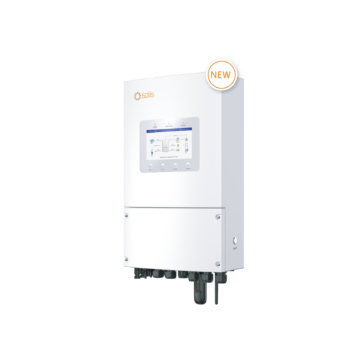
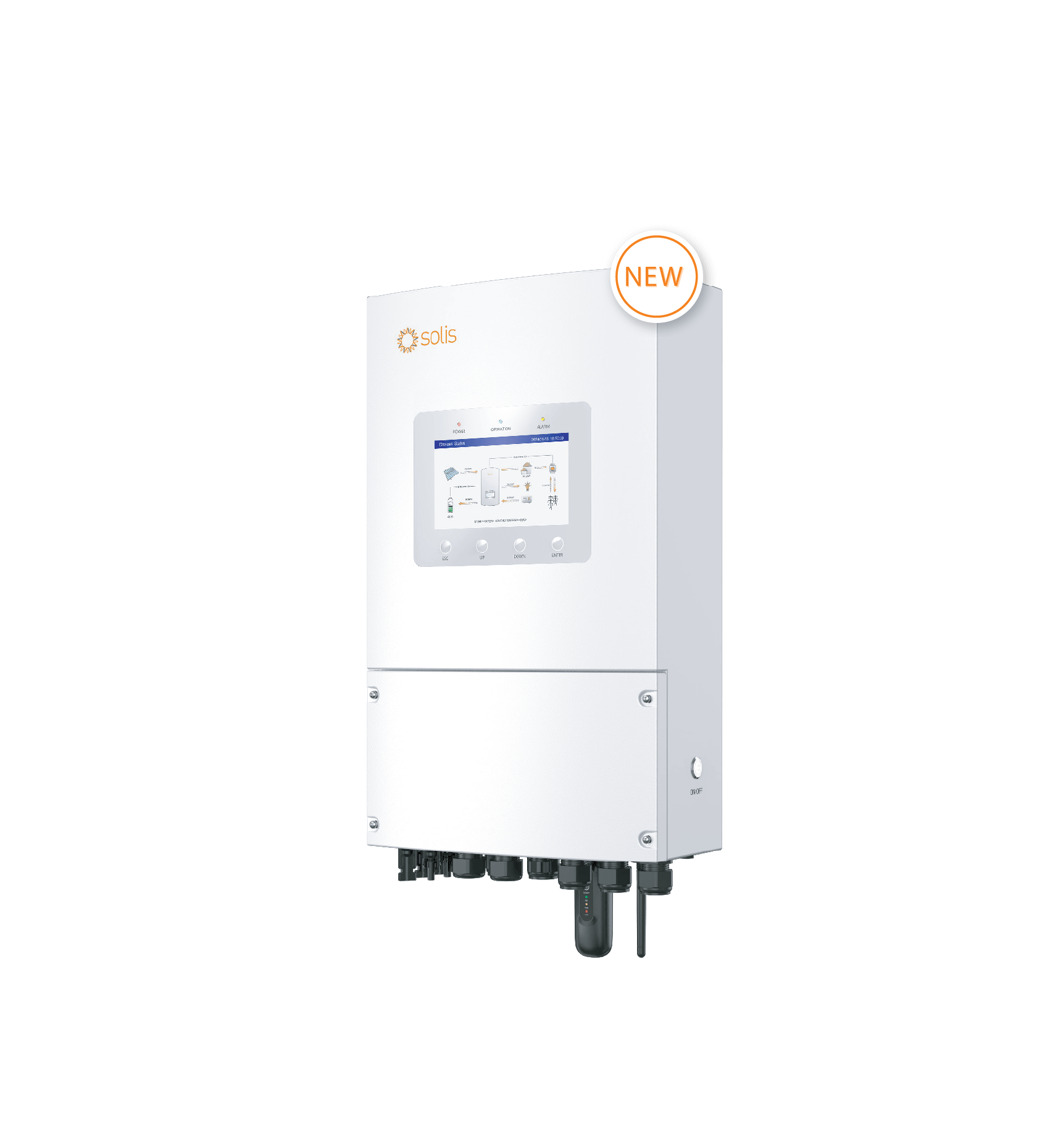
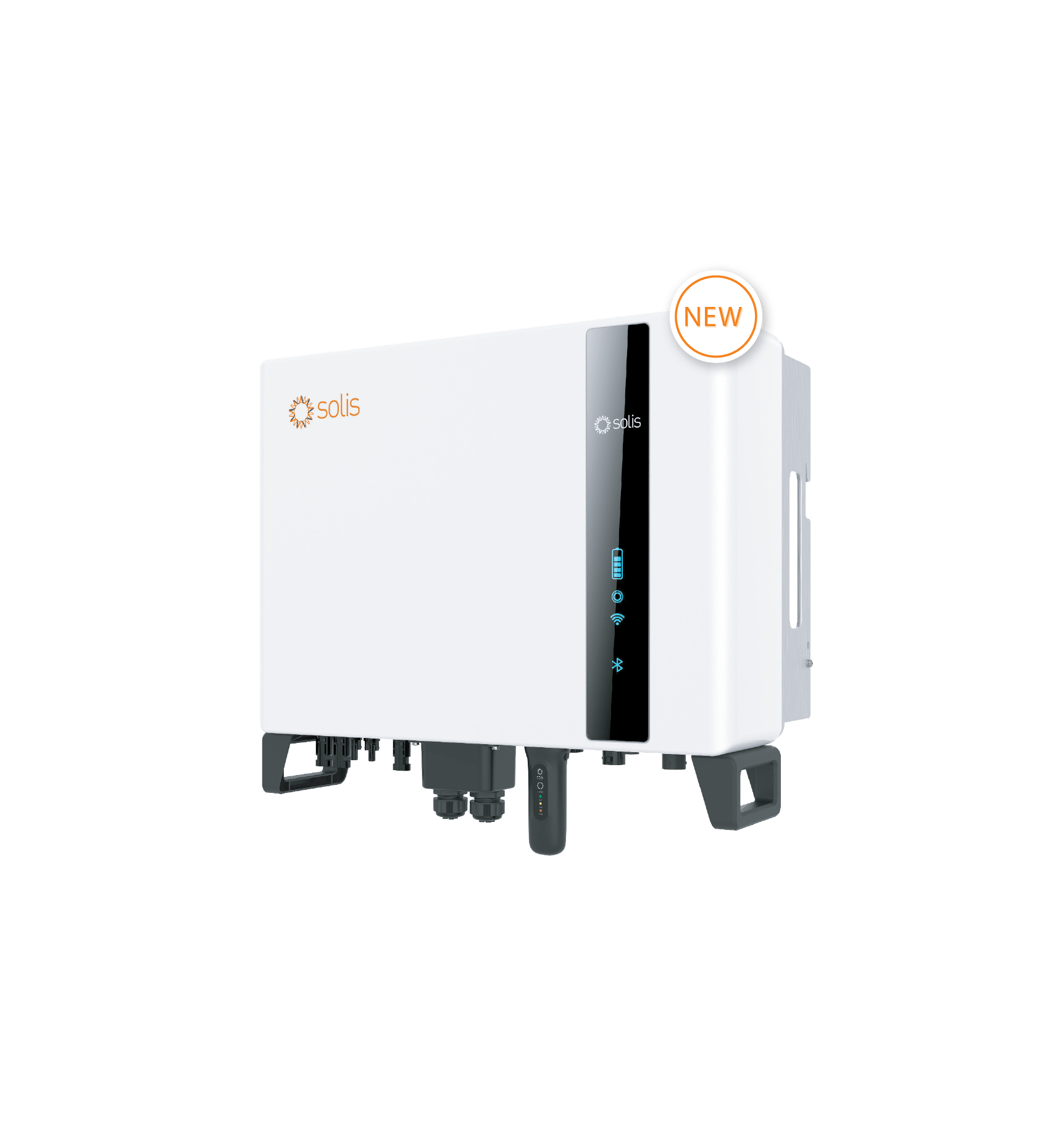
The Solis S6-EH3P10K02-NV-YD-L exists for a practical reason: not every Kenyan commercial building draws 12kW. Shops, small offices, clinics, guesthouses, and light-commercial properties with three-phase utility supply frequently need 8–10kW of inverter capacity — and buying a 12kW model “just in case” means paying for headroom that sits idle for the life of the system.
This 10kW model shares exactly the same platform, enclosure, IP66 rating, dual battery ports, SolisCloud monitoring, and build quality as the larger 12kW variant. The only differences are rated output power and maximum battery charge current — everything else, including the physical dimensions and weight, is identical. That shared platform means installers who’ve worked with one Solis S6-EH3P model know them all, which simplifies commissioning and servicing.
The Commercial Sweet Spot at 10kW
Through our installation experience, certain types of Kenyan business consistently land at 10kW when their loads are professionally audited:
- Medical clinics and dental practices: X-ray machines, sterilisation equipment, lighting, computers, small AC units, and vaccine refrigeration. Daily consumption typically 35–50 kWh with moderate peak loads and critical need for backup continuity.
- Guest houses and small lodges (10–20 rooms): Room lighting and fans, reception area, common-area entertainment, kitchen equipment, security systems, and water pumping. Three-phase supply is standard but total connected load rarely exceeds 10kW simultaneously.
- Professional offices (15–25 staff): Computers, printers, networking equipment, small server room, kitchen facilities, and 1–2 split-unit ACs. The three-phase supply balances these loads across phases without any single phase exceeding 4kW.
- Retail pharmacies and chemists: Drug refrigeration is the critical load. Multiple pharmaceutical-grade fridges, dispensing systems, lighting, CCTV, and POS equipment draw 6–9kW during peak hours.
- Church buildings and community halls: Sound systems, lighting rigs, projectors, kitchen facilities, and fans. Three-phase is common in these buildings but actual peak draw during services rarely approaches 12kW.
16kW PV Input: The Solis Oversizing Advantage
Even at the 10kW output level, the S6-EH3P10K02-NV-YD-L accepts up to 16,000W of solar panel input — a 1.6× DC/AC ratio. This is substantially more than competing 10kW inverters which typically cap at 13–14kW PV input.
Why does this matter? Consider two identical 10kW systems in Nairobi:
- System A (competitor, 13kW PV cap): 22 × 580W panels (12.76kW DC). The inverter reaches its 10kW clipping limit only during a narrow 2-hour noon window and underperforms the rest of the day.
- System B (Solis, 16kW PV cap): 27 × 580W panels (15.66kW DC). The oversized array pushes the inverter to its full 10kW output from 9am through 3pm — nearly tripling the hours of full-capacity operation. Total daily yield increases by 15–25% compared to System A.
The practical takeaway: the Solis 10kW generates more energy per day than a competitor 10kW with the same panel brand, because it accepts more panels. The extra panels cost money upfront, but solar panels are the cheapest component per watt — the payback on the additional panels is typically under 18 months.
Dual Battery Ports: Independent Expansion
The S6-EH3P10K02-NV-YD-L has two independent battery connection ports, each rated at 150A, for a combined 220A charge/discharge capacity. This architecture lets you:
- Start with one battery bank and expand later. Install 10kWh on port 1 today. Add another 10kWh on port 2 in six months. No rewiring needed.
- Separate critical and general loads. Dedicate port 1’s battery to essential backup (refrigeration, security, servers) and port 2’s battery to general self-consumption optimisation.
- Mix battery capacities. 15kWh on one port, 5kWh on the other — each communicates independently with its own BMS.
All lithium batteries from our Jinko, Renergy, and Vestwood ranges connect via standard CAN/RS485 protocols supported by both ports.
Kenyan Installation Examples
Example A — Community health centre: 20 × 550W Canadian Solar HiKu6 panels (11kW DC) + S6-EH3P10K02-NV-YD-L + 15kWh lithium battery (Jinko, Renergy, or Vestwood) split across both ports. Powers vaccine cold chain, examination room equipment, dispensary lighting, patient records computers, and security. Battery backup ensures cold chain continuity during grid outages — critical for pharmaceutical storage.
Example B — Guest house with 15 rooms: 24 × 580W Jinko Tiger Neo panels (13.92kW DC) + S6-EH3P10K02-NV-YD-L + 20kWh lithium battery. Covers room fans, common-area lighting, reception electronics, kitchen equipment, water pump, and security cameras. SolisCloud dashboard gives the manager real-time energy visibility from their phone.
Example C — Professional law or accounting office: 18 × 670W Canadian Solar HiKu7 panels (12.06kW DC) + S6-EH3P10K02-NV-YD-L + 10kWh lithium battery. Powers 20+ computers, printer/copier, networking equipment, small server, kitchen, and 2 split-unit ACs. Time-of-use scheduling shifts battery discharge to expensive peak tariff hours.
Specifications Overview
PV Input (DC Side)
| Parameter | Value |
|---|---|
| Max. DC Input Power | 16,000 W |
| Max. Input Voltage | 1,000 V |
| Rated Voltage | 550 V |
| Start-up Voltage | 160 V |
| MPPT Voltage Range | 200 – 850 V |
| Max. Input Current | 20 A + 40 A |
| Max. Short-Circuit Current | 30 A + 50 A |
| Number of MPPTs / Strings | 2 MPPTs / 3 strings |
AC Output (Grid Side)
| Parameter | Value |
|---|---|
| Rated Output Power | 10,000 W |
| Max. Apparent Output Power | 10 kVA |
| Rated Grid Voltage | 3/N/PE, 220V/380V or 230V/400V |
| Rated Grid Frequency | 50 Hz / 60 Hz |
| Rated Output Current per Phase | 15.2 A / 14.4 A |
| Max. Continuous AC Pass-Through | 50 A |
| Power Factor | >0.99 (0.8 leading – 0.8 lagging) |
| THDi | <3% |
| Unbalanced Output | Up to 50% rated per phase |
Backup / Off-Grid Output
| Parameter | Value |
|---|---|
| Rated Backup Power | 10,000 W |
| Peak Backup Power (10s) | 20,000 W (2× rated) |
| Backup Switchover Time | <10 ms |
| Backup Output Voltage | 3/N/PE, 220V/380V or 230V/400V |
| Backup Frequency | 50 Hz / 60 Hz |
| Three-Phase Unbalanced Backup | Supported |
Battery
| Parameter | Value |
|---|---|
| Battery Type | Li-ion (LiFePO4) / Lead-acid |
| Battery Voltage Range | 40 – 60 V (48V nominal) |
| Number of Battery Ports | 2 independent |
| Max. Charge / Discharge Current per Port | 150 A |
| Max. Combined Charge / Discharge Current | 220 A |
| BMS Communication | CAN / RS485 |
Generator Input
| Parameter | Value |
|---|---|
| Max. Generator Input Power | 10 kW |
| Rated Input Voltage | 3/N/PE, 220V/380V or 230V/400V |
| Rated Input Frequency | 50 Hz / 60 Hz |
| Reverse Current Protection | Integrated |
Efficiency
| Parameter | Value |
|---|---|
| Max. Efficiency | 97.5% |
| European Efficiency | 96.4% |
| Battery Charge Efficiency (PV → Battery) | 95.0% |
| Battery Discharge Efficiency (Battery → AC) | 94.5% |
Protection
| Feature | Status |
|---|---|
| Anti-islanding Protection | Yes |
| Output Over-current Protection | Yes |
| Short-circuit Protection | Yes |
| DC Reverse-polarity Protection | Yes |
| Surge Protection | DC Type II / AC Type II |
| Integrated DC Switch | Yes |
| AFCI 2.0 | Optional |
Physical & Environmental
| Parameter | Value |
|---|---|
| Dimensions (W × H × D) | 430 × 660 × 305 mm |
| Weight | 42 kg |
| Ingress Protection | IP66 |
| Cooling | Intelligent fan cooling |
| Operating Temperature | -25°C to +60°C |
| Max. Operating Altitude | 4,000 m |
| Topology | Non-isolated |
| Night Self-Consumption | <30 W |
Interface & Communication
| Parameter | Value |
|---|---|
| Display | 7″ LCD + Bluetooth + App |
| Standard Communication | CAN, RS485, Ethernet |
| Optional Communication | Wi-Fi, Cellular, LAN |
| DC Connection | MC4 quick-connect (PV) + screw terminal (battery) |
| AC Connection | Screw terminal |
| Remote Monitoring Platform | SolisCloud (web + mobile app) |
Building Your System
A complete installation requires solar panels (typically 18–27 modules), lithium batteries from our Jinko, Renergy, or Vestwood ranges, DC protection hardware, three-phase AC breakers, earthing, surge protection, mounting hardware, and EPRA-licensed installation. Request a quote or WhatsApp 0794 917 789.
Solis 10kW Three-Phase LV: Your Questions
How does the Solis 10kW compare to the Solis 12kW three-phase?
They share the same platform, enclosure, IP66 rating, dual battery ports, and SolisCloud monitoring. The differences: the 10kW has 16kW max PV input (vs 19.2kW), 220A max battery current (vs 250A), and 10kW rated output (vs 12kW). If your audited load is genuinely below 10kW with no expected growth beyond that, the 10kW saves money without sacrificing any features.
Why would I choose a Solis 10kW over a Jinko 10kW three-phase?
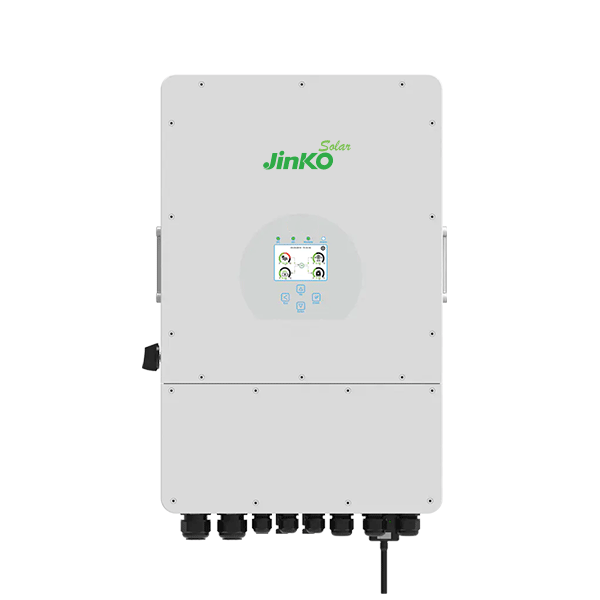
Key differences: the Solis accepts 16kW of PV input versus the Jinko’s 13kW (23% more panels). The Solis has dual independent battery ports (the Jinko has one). The Solis is IP66 rated (the Jinko is IP65). The Solis has a 7″ colour LCD with Bluetooth and SolisCloud app monitoring. The Jinko has a slightly higher 210A battery current versus 220A on the Solis. Both are excellent inverters from top-five global manufacturers — the best choice depends on whether you value PV oversizing headroom (Solis) or you’re already committed to a full Jinko-brand ecosystem (Jinko).
Is 10kW enough for my business?
It depends on your actual peak demand, not your total daily consumption. Businesses with peak simultaneous loads below 10kW — typically clinics, guest houses, professional offices, pharmacies, small retail shops, and community buildings — are well-served by 10kW. Businesses running heavy three-phase machinery, large cold rooms, or multiple commercial ACs simultaneously should consider the 12kW or larger models.
Can I use this inverter for a medical facility with cold chain requirements?
Yes, and it’s a strong fit. The <10ms switchover ensures pharmaceutical fridges and vaccine cold chain equipment experiences no interruption during grid outages. Dual battery ports allow dedicating one bank exclusively to cold chain backup. SolisCloud monitoring sends alerts if battery state of charge drops below configurable thresholds.
How many solar panels can I connect?
Up to 16,000W DC input. That’s roughly 27 × 580W panels, 29 × 550W panels, or 24 × 670W panels across two MPPT trackers with 3 strings total. The 1,000V maximum PV voltage allows long strings that reduce cable runs and combiner hardware on commercial rooftops.
What lithium batteries are compatible?
Any 48V lithium iron phosphate (LiFePO4) battery communicating via CAN or RS485 BMS protocols. Our Jinko, Renergy, and Vestwood lithium ranges all pair correctly. The dual battery ports accept two independent banks — you can start with one and add the second later.
Does SolisCloud cost extra?
No. SolisCloud monitoring is included with every Solis inverter at no additional subscription cost. You’ll need a Wi-Fi, Ethernet, or cellular data logger (optional accessory) to connect the inverter to the cloud platform. Once connected, real-time and historical monitoring is available via web browser or smartphone app indefinitely.
What is the warranty and where can I buy in Kenya?
Solis provides a 5-year standard manufacturer warranty. Bicity Solar Energy Suppliers stocks the S6-EH3P10K02-NV-YD-L with delivery to all 47 counties. WhatsApp 0794 917 789 or request a quote for current pricing and availability.