Description
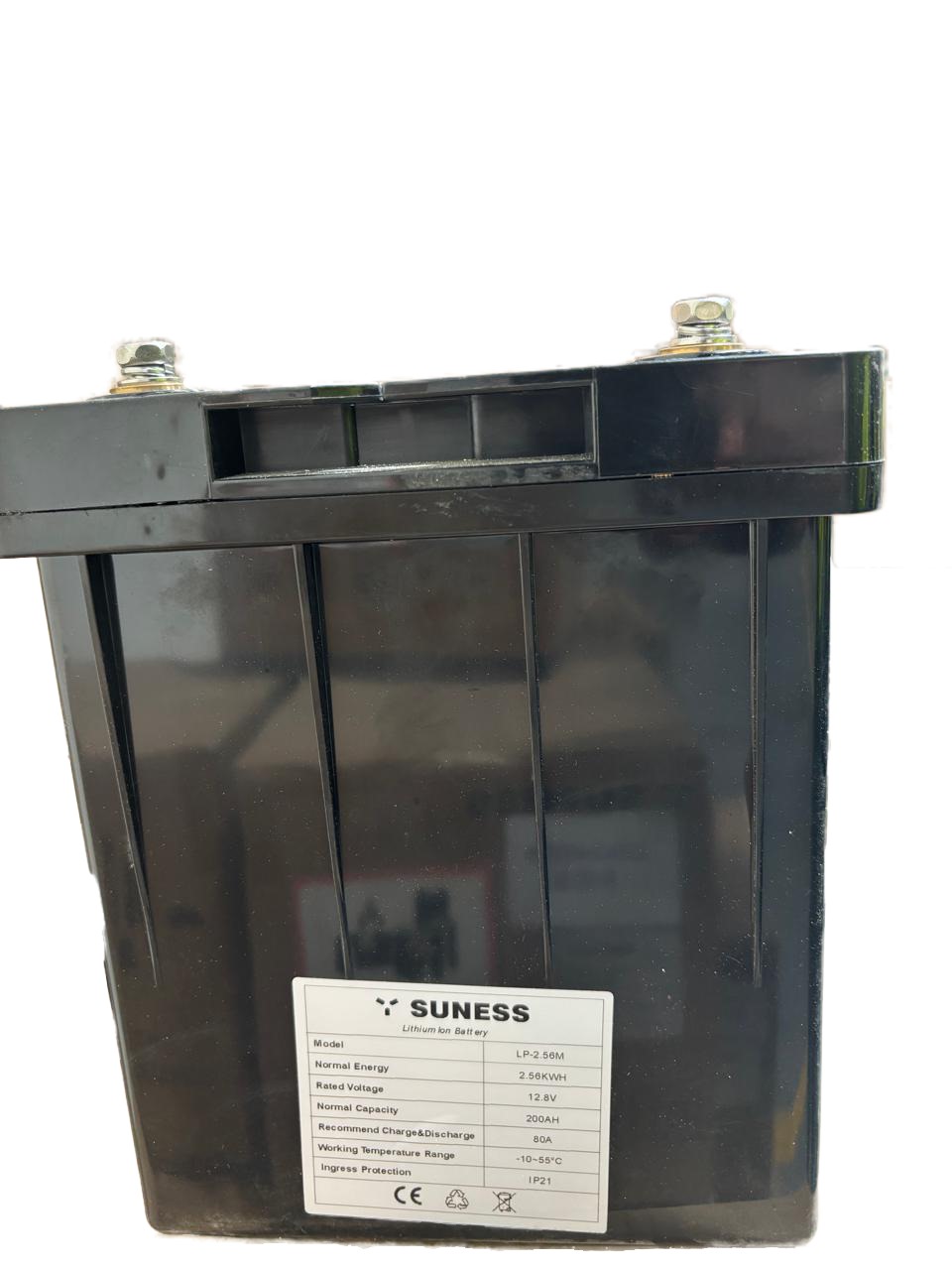
Suness 12V 200Ah Lithium Battery — EV-2.56N LiFePO4 Drop-In Lead-Acid Replacement for Kenya
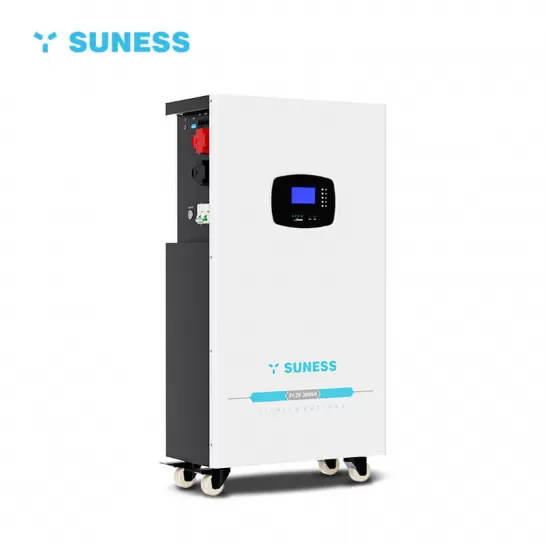
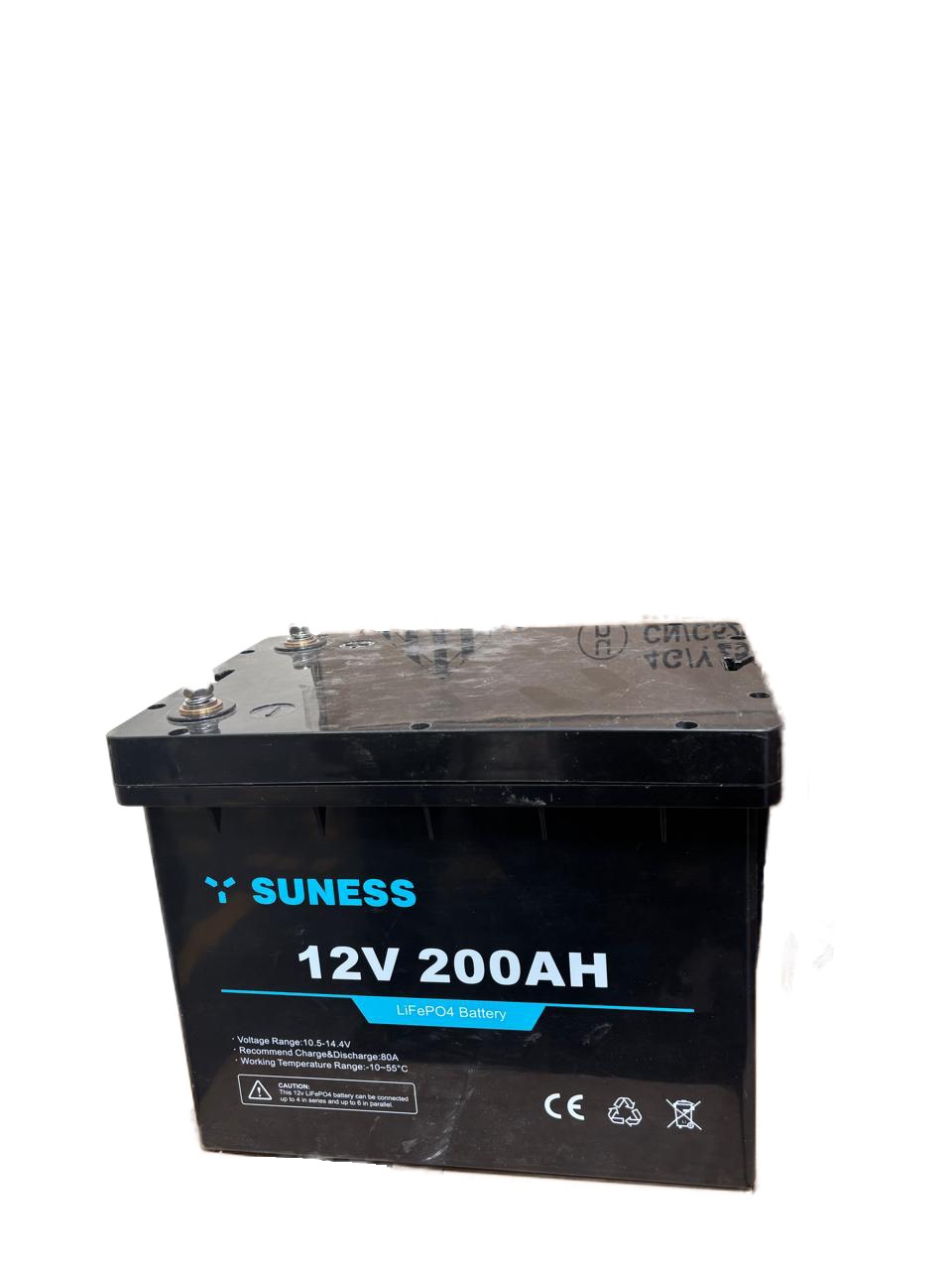
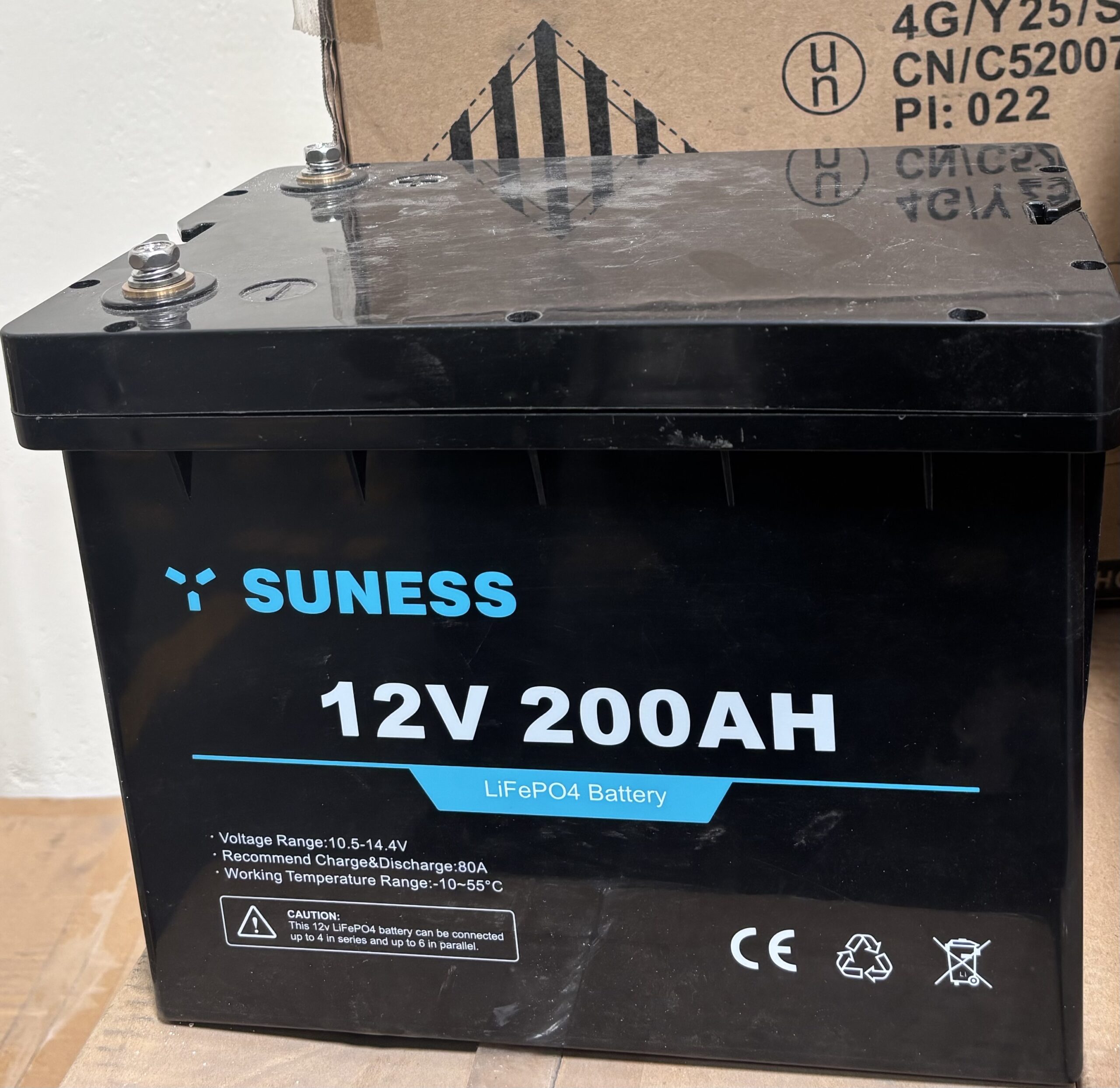
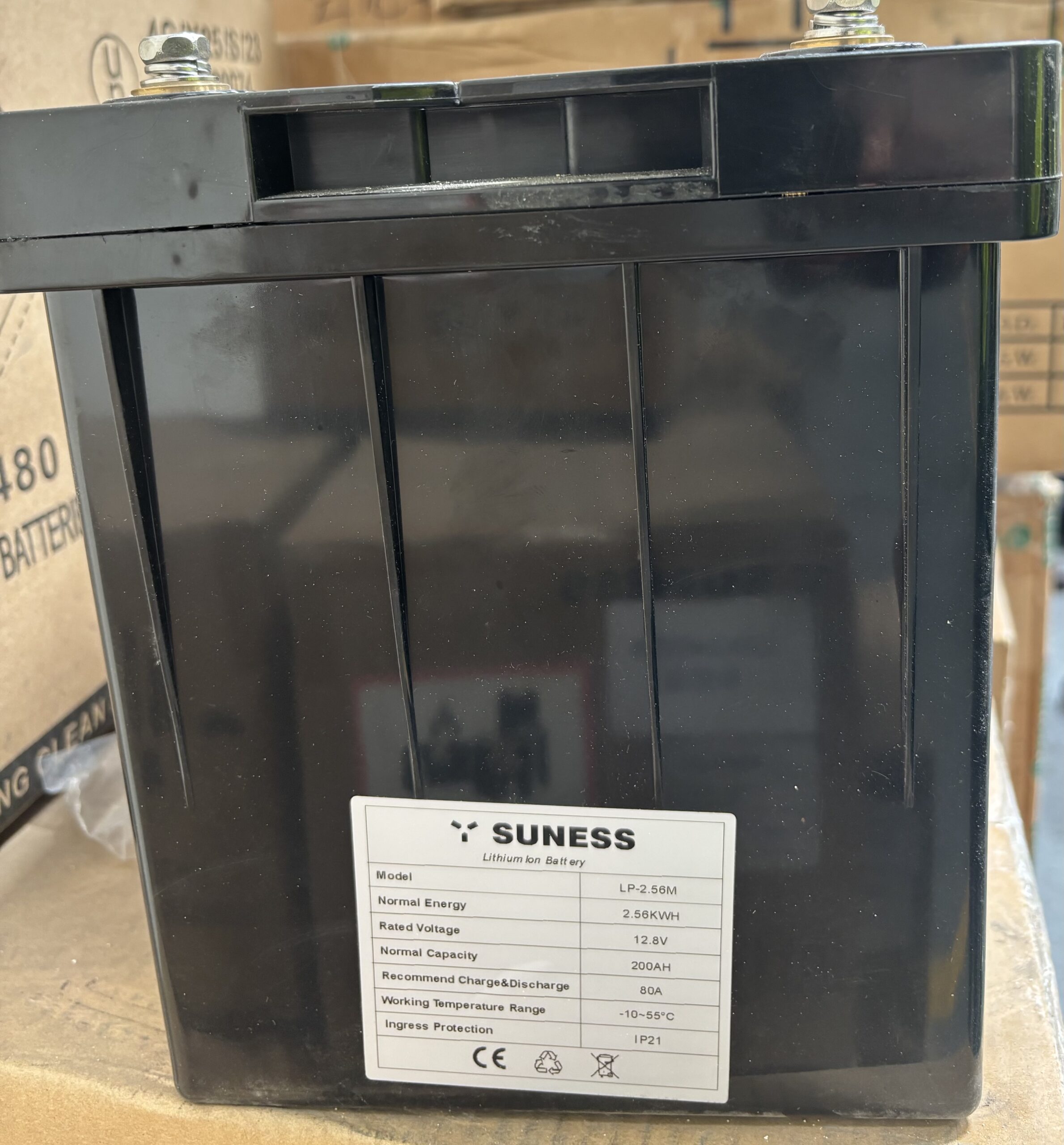
Across Kenyan solar installations still running 12V lead-acid batteries — small off-grid setups powering essential household loads, marine and RV applications, telecom site backup, security system standby, agricultural pumping at remote locations — the Suness 12V 200Ah Lithium Battery delivers a chemistry upgrade in a form factor that drops straight into the existing battery footprint. The product code is the EV-2.56N from Shenzhen Youess Energy Storage Technology, the same Suness manufacturer behind the larger commercial EV-15.36N at the top of the catalog. Kenyan installers reference this unit under several names: Suness EV-2.56N, the Suness LiFePO4 12V 200Ah, the Suness 2.56 kWh battery, the Suness 12V drop-in battery, and the Youess EV-2.56N.
The basic case for switching from lead-acid to a LiFePO4 unit like the EV-2.56N comes down to four practical economics. First, usable capacity per kWh purchased. A 12V 200Ah lead-acid battery delivers 2.4 kWh nominal but only about 1.2 kWh usable (50% depth of discharge limit before cell damage accelerates). The EV-2.56N delivers 2.56 kWh nominal with greater than 90% usable depth — roughly 2.3 kWh actually accessible. The lithium unit delivers about 1.9× the usable energy per device.
Second, cycle life over the service horizon. Standard lead-acid deep-cycle batteries deliver 300-500 cycles at their rated 50% DOD; AGM deep-cycle batteries reach 500-1,200 cycles. The EV-2.56N delivers 6,000 cycles per manufacturer specification — 5-20× the cycle life of the lead-acid alternatives. Over a 10-year solar installation horizon, lead-acid systems typically require 2-4 battery replacements while the lithium unit operates through the full project life.
Third, charging speed and round-trip efficiency. Lead-acid batteries accept charge at progressively reduced rates as State of Charge climbs above 80%, with full charging requiring extended absorption periods. LiFePO4 cells accept full charge current up to nearly 100% SoC, completing daily charging within solar generation windows that lead-acid systems often cannot fit. Round-trip efficiency runs 90-95% for lithium versus 70-80% for lead-acid, recovering 15-20% more of the solar energy harvested.
Fourth, maintenance burden. Lead-acid batteries require electrolyte level checks, occasional water top-ups, terminal corrosion management, equalisation charges, and specific-gravity monitoring across the cells. AGM batteries reduce some of this but still require ventilation discipline and temperature management. The EV-2.56N is sealed, requires zero maintenance, and self-monitors through the integrated Smart BMS — eliminating the periodic battery-room visits that lead-acid installations need.
Who buys the EV-2.56N in the Kenyan market
Three Kenyan buyer profiles consistently arrive at this product. The first is the small off-grid homeowner — typically rural homesteads, country cabins, second homes in remote locations, or urban properties using solar for essential-load backup. These installations run 1-3 kW of solar PV with a 12V or 24V charge controller and a 1-2 kW inverter, supporting lighting, phone charging, radio/TV, ceiling fans, and possibly a small refrigerator or freezer. One or two EV-2.56N units provide 2.56-5.12 kWh of storage covering evening-and-overnight consumption.
The second profile is the marine and RV user — boat owners along the coast at Mombasa, Diani, Watamu, Kilifi, and Malindi, plus inland users with safari vehicles, expedition camper conversions, or tour-company vehicle fleets. These applications need a 12V house battery serving lighting, water pumping, refrigeration, navigation electronics, and accessory loads. Weight matters in marine and RV applications (the EV-2.56N weighs roughly 60% of an equivalent lead-acid battery), and the deep cycle envelope handles the constant partial-state-of-charge operating profile that destroys lead-acid batteries quickly.
The third profile is the telecom site operator, security system installer, or agricultural pumping operator running backup batteries at remote sites with limited or no maintenance access. Lead-acid batteries at these sites need quarterly maintenance visits that drive up operating cost; the EV-2.56N’s zero-maintenance design suits the deploy-and-forget operational pattern that remote site backup demands. The 6,000-cycle life envelope means replacement intervals stretch from 2-3 years (lead-acid) to 10-15 years (LiFePO4) — reducing total cost of ownership substantially at the remote-site scale.
Where the EV-2.56N is the wrong battery
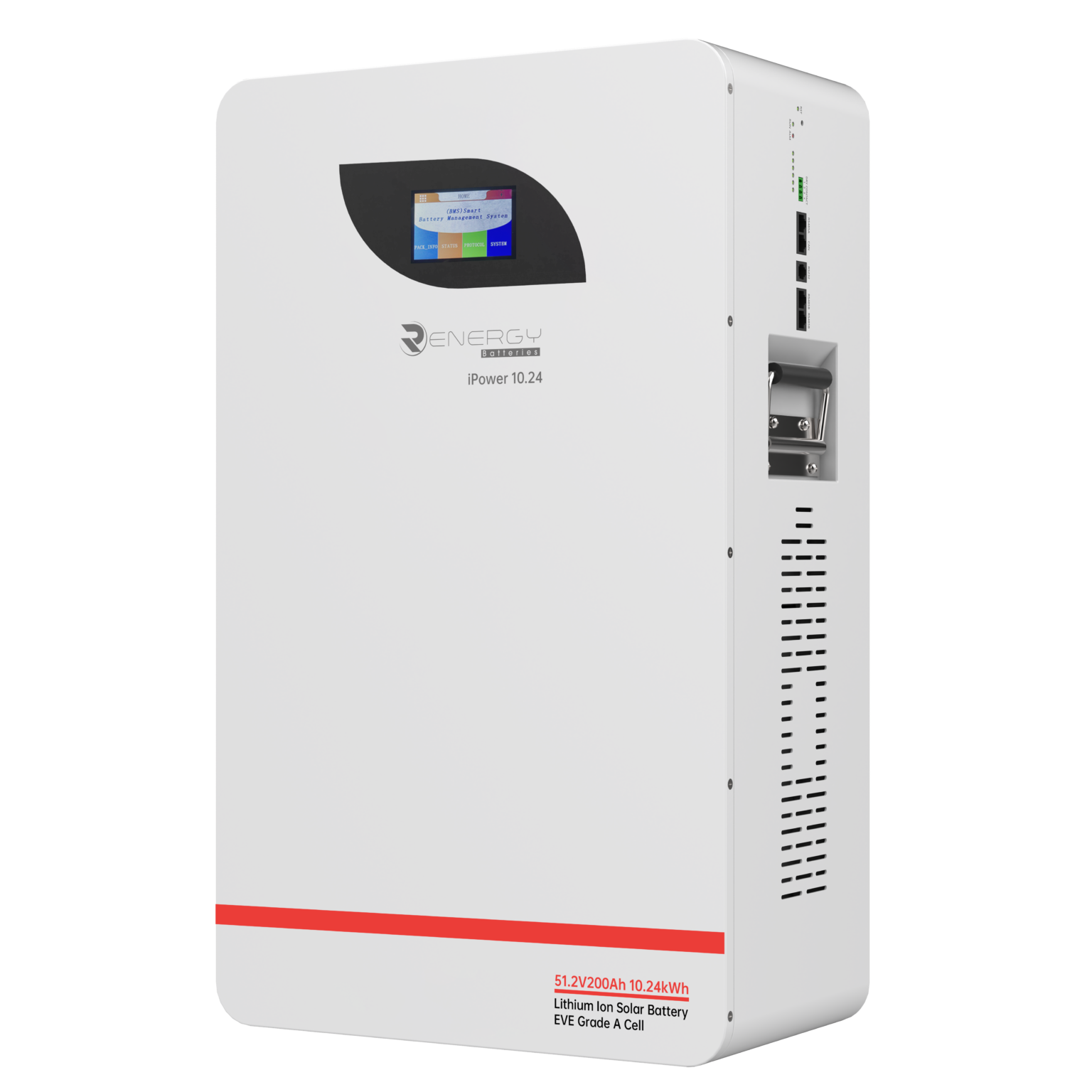
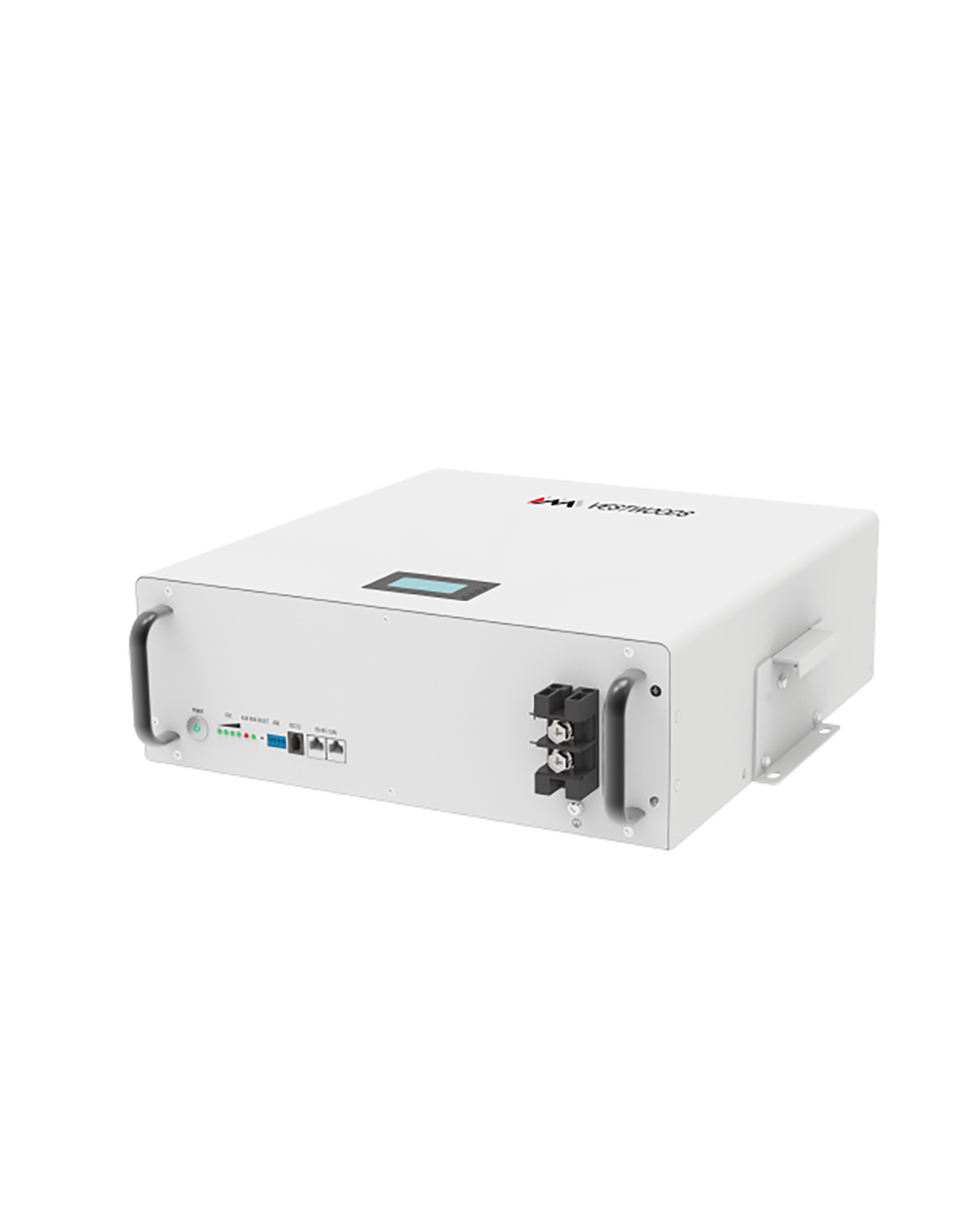
Several installations where the 12V 200Ah unit is the wrong specification. Hybrid solar systems operating at 48V or 51.2V system voltage cannot use 12V batteries directly — they need 48V LFP units (Renergy iPower 5.12, Vestwood 5.12 kWh, Jinko JKS-B48100-HI, or for larger capacity the Suness EV-15.36N). Trying to stack four 12V batteries in series to reach 48V is technically possible but operationally problematic: the BMS units don’t coordinate across the series stack, cell balancing degrades, and the warranty terms typically void.
Larger off-grid installations needing 5+ kWh of storage capacity are better served by stepping up to a 48V architecture with one or two residential-tier 48V batteries rather than stacking multiple 12V units. The 12V system voltage limits practical inverter sizing to about 2 kW continuous — larger loads need 24V or 48V architecture to handle the current efficiently. The EV-2.56N’s natural ceiling is small off-grid setups with modest load profiles.
Installations requiring rapid charging at very high current rates (some marine fast-charging scenarios, regenerative loading scenarios) may exceed the EV-2.56N’s typical charge envelope. While LiFePO4 cells accept higher currents than lead-acid, the specific charge rate limits should be verified against the application requirement before commitment. Standard solar charging at 10-50A is well within the unit’s envelope.
Where the EV-2.56N sits in the Bicity battery range
The Bicity lithium battery catalog covers everything from 1.28 kWh entry units through 15.36 kWh commercial workhorses. Within that range, the EV-2.56N is positioned at the entry-level 12V tier alongside one Vestwood-brand alternative at the same nominal capacity:
| Use case category | Product option | Energy |
|---|---|---|
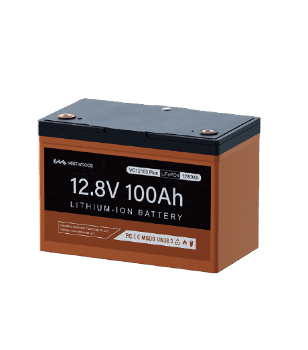
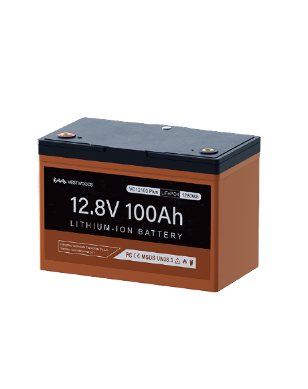
| Smallest 12V backup — phone, lights, basic loads | Vestwood 12V 100Ah | 1.28 kWh |
| Mid-size 12V — small homestead, marine, telecom, drop-in lead-acid upgrade (this product) | Suness EV-2.56N — this product | 2.56 kWh |
| Same 12V capacity, alternative brand | Vestwood 12V 200Ah | 2.56 kWh |
| Step up to 24V architecture for larger inverters | Vestwood 24V 100Ah | 2.56 kWh |
| First 48V hybrid tier at lowest pricing | Vestwood 48V 100Ah | 4.8 kWh |
| Jinko-branded 48V residential at Tier 1 PV-maker positioning | Jinko JKS-B48100-HI | 4.8 kWh |
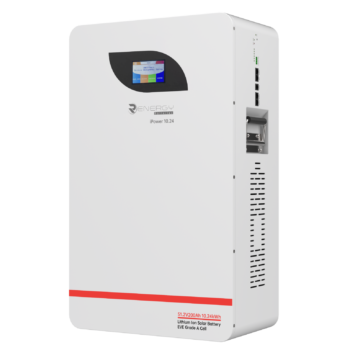
| UK-brand premium 48V/51.2V residential workhorse | Renergy iPower 5.12 | 5.12 kWh |
| Vestwood 51.2V value match for the iPower capacity | Vestwood 51.2V 100Ah | 5.12 kWh |
| Larger residential, doubled-capacity 48V | Vestwood 48V 200Ah | 9.6 kWh |
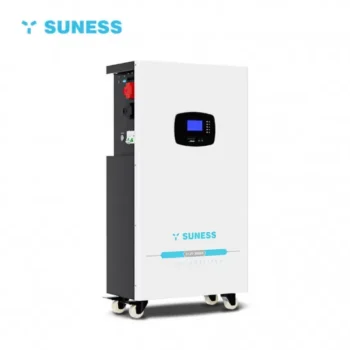
| Single-unit commercial-tier large storage | Suness EV-15.36N | 15.36 kWh |
The EV-2.56N occupies the entry-level 12V LFP position alongside the Vestwood 12V 200Ah at the same capacity. The choice between these two units depends on brand preference and any specific feature alignment with the rest of the installation. Buyers running existing Suness equipment elsewhere in their installation (a Suness 15.36 kWh main bank, for example, paired with a small 12V backup at a satellite location) benefit from staying within one brand ecosystem for spare parts and warranty channel consistency. Buyers without that consideration can choose either brand on price and availability grounds.
Five features that justify upgrading from lead-acid
- A+ grade LiFePO4 cells — the top sorting tier in the LFP cell quality hierarchy: Suness specifies A+ grade cells across the EV-N series. Cells receive the A+ designation when they pass all manufacturer specifications on first factory inspection — capacity, voltage consistency, internal resistance, and self-discharge rate all within nominal range. A-grade cells have minor deviations; B-grade cells have larger deviations and appear in budget batteries; reclaimed cells come from end-of-life packs and appear in the cheapest no-brand units. The grade designation matters operationally because cycle life ratings depend on cell-level quality consistency across the four-cell series stack inside a 12V LFP battery.
- Greater than 90% usable depth versus 50% for lead-acid: Lead-acid batteries cannot routinely discharge below 50% State of Charge without accelerated cell sulfation that destroys the battery. Useful daily capacity from a 200Ah lead-acid battery is about 100Ah (1.2 kWh at 12V). The EV-2.56N supports daily discharge to >90% depth, delivering about 180Ah (2.3 kWh) per cycle. The buyer who needs 1.2 kWh of nightly usable energy can run the EV-2.56N at moderate 50% DOD (extending cycle life further) or use the full envelope at 90% DOD for larger loads — neither option exists for lead-acid which is capped at 50% DOD regardless.
- 6,000 cycles per Suness Kenya specification — 5-20× lead-acid alternatives: Deep-cycle lead-acid batteries deliver 300-500 cycles at 50% DOD; AGM deep-cycle batteries reach 500-1,200 cycles. The EV-2.56N’s 6,000-cycle rating means daily cycling for over 16 years before reaching the rated end-of-life threshold. Over a typical solar installation horizon, the lithium battery operates through the full project life while the lead-acid equivalent requires 2-4 replacements. Total cost of ownership comparisons favour the lithium option at any reasonable price ratio between the two technologies.
- Smart BMS handling every protection mode automatically: The integrated Battery Management System monitors cell-level voltage, current, and temperature continuously. Protection actions trigger automatically: overcharge protection cuts charging when any cell exceeds the upper voltage limit; overdischarge protection cuts loads when cell voltage drops to the lower limit; short-circuit protection trips within milliseconds on hard fault conditions; high and low temperature protection prevents damaging operation outside safe envelope; cell balancing keeps the four cells in series at matched voltages so the pack capacity tracks the cells rather than the weakest one. Lead-acid batteries have no equivalent active protection — fault conditions damage cells unless external systems detect and respond.
- Roughly 60% the weight of an equivalent lead-acid battery: A 12V 200Ah lead-acid battery typically weighs 55-65 kg; the AGM equivalent weighs 50-60 kg. The EV-2.56N weighs substantially less — relevant in marine applications where every kilogram of displaced ballast matters, in RV and overlanding applications where total vehicle weight affects fuel consumption and handling, and in installation logistics where lighter weight reduces the labour cost of positioning the battery in remote or hard-to-access mounting locations.
Practical engineering features for Kenyan installations
- Sealed maintenance-free enclosure: No vented hydrogen gas, no electrolyte to spill, no terminal corrosion, no specific-gravity measurements, no equalisation charging. The sealed design supports installation in habitable spaces (cabin interiors, RV living areas, indoor utility rooms) that vented lead-acid batteries cannot occupy safely. The maintenance-free aspect also matters operationally for remote sites where periodic maintenance visits drive up operating cost.
- Low self-discharge rate: LiFePO4 cells lose 2-3% of stored capacity per month at room temperature versus 3-5% per month for lead-acid. Over multi-month storage scenarios (seasonal cottages, standby telecom batteries, intermittently used vehicle batteries) the lithium chemistry retains substantially more capacity through standby periods. Lead-acid batteries that sit at partial state of charge sulfate progressively; LFP cells do not.
- Wider operating temperature envelope: LiFePO4 cells operate across a broader temperature range than lead-acid at full performance. Discharge performance holds up at temperatures where lead-acid capacity drops sharply (lead-acid loses about 50% of rated capacity at 0°C; LFP retains roughly 80% at the same temperature). Charging at low temperatures requires more care for both chemistries, but the LFP cells tolerate higher charging temperatures than lead-acid at no degradation cost.
- Constant voltage output through discharge cycle: Lead-acid batteries deliver progressively lower voltage as State of Charge declines — by 50% SoC the terminal voltage drops enough that DC loads start performing poorly. LFP cells hold near-nominal voltage through most of the discharge cycle, dropping only in the last 10-15% of capacity. Connected DC loads (lighting, electronics, water pumps) experience consistent supply voltage across the practical discharge envelope.
- Drop-in compatibility with most 12V charge controllers and inverters: The 12V LFP voltage profile (12.8V nominal, 14.6V max charge) overlaps with the lead-acid charging profile that existing 12V solar charge controllers and inverters expect. Most 12V solar charge controllers include a “Lithium” battery type selection in their menu that adjusts the absorption and float voltage thresholds for LFP chemistry — selecting this option preserves the maximum cycle life of the lithium battery. The drop-in compatibility means most lead-acid upgrade scenarios reuse the existing charge controller and inverter without replacement.
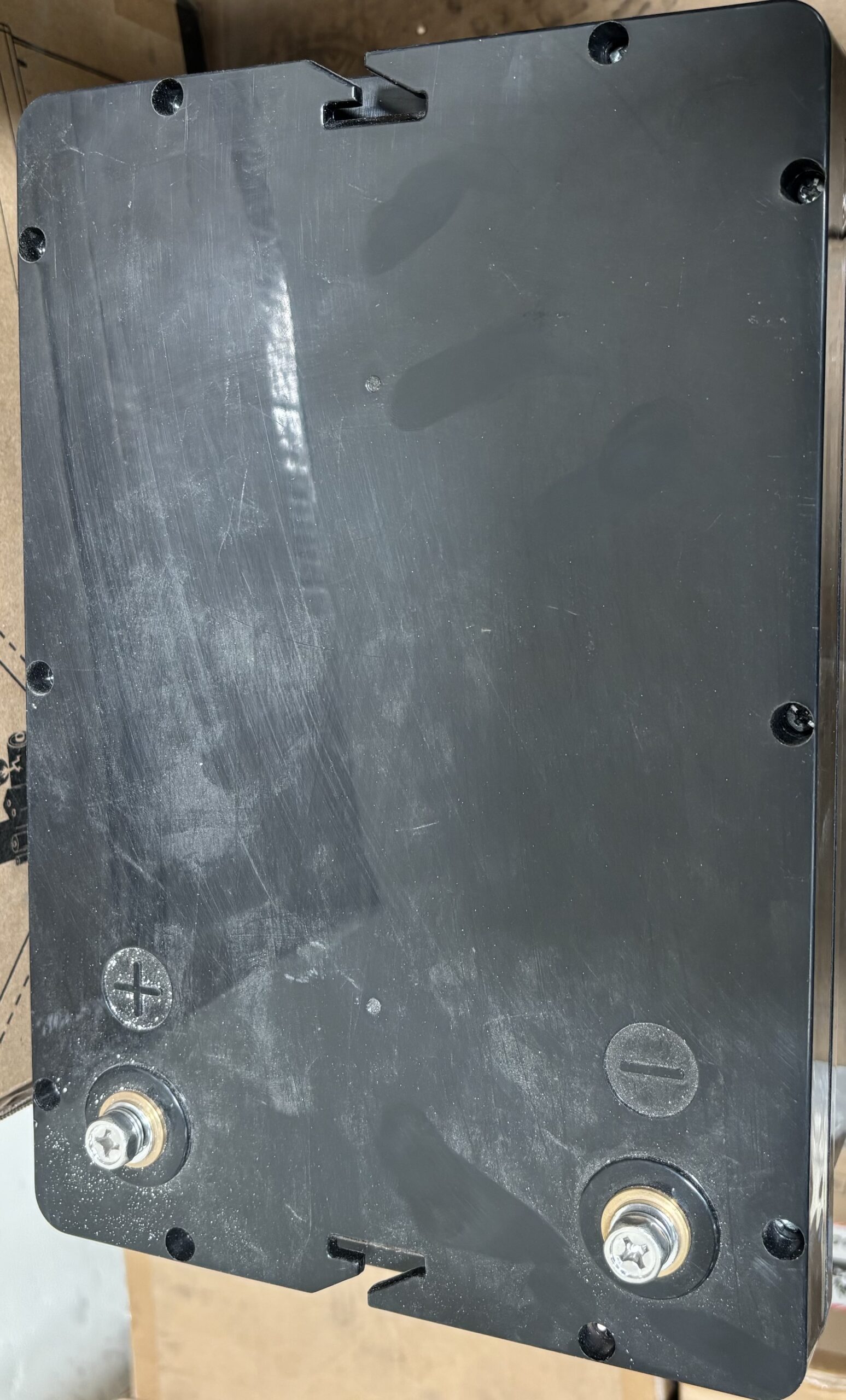
- Compact slimline form factor: The EV-2.56N’s slimline case sized for standard 12V battery footprints drops into most lead-acid battery boxes and battery compartments without modification. RV battery compartments, marine battery boxes, telecom enclosure shelves, and dedicated battery cabinets all accept the EV-2.56N where the lead-acid unit previously sat. This eliminates the enclosure-modification cost that drop-in upgrades to non-standard form factors require.
- Smart BMS with cell-level monitoring: The BMS monitors each of the four cells in series independently, balancing cell voltages and protecting against any cell drifting out of range. Cell-level monitoring is what enables the >90% DOD operating envelope and the 6,000-cycle life rating — without active cell management, weaker cells would degrade faster and limit pack capacity. Lead-acid batteries have no cell-level monitoring; the pack performance tracks whichever cell degrades first, which is why lead-acid life ratings are conservative.
Compatibility with the broader Kenyan solar installation ecosystem
The EV-2.56N pairs with the standard 12V solar equipment available in the Kenyan market. Standard 12V PWM and MPPT solar charge controllers from the brands available locally accept LFP battery types through their configuration menus — selecting the lithium battery type adjusts the absorption voltage (typically 14.4-14.6V for LFP versus 14.2-14.7V for lead-acid) and the float voltage (typically 13.6V for LFP versus 13.2-13.5V for lead-acid). These parameter adjustments preserve cycle life on the LFP cells.
For pure off-grid installations without grid-tie hybrid functionality, standard 12V inverters from the dominant brands available in Kenya work with the EV-2.56N. Inverter sizing should reflect the battery’s continuous discharge capability — at 12V, drawing 1 kW continuous requires roughly 83A of DC current from the battery, which sits well within typical LFP discharge envelopes. For larger inverters approaching 2 kW continuous (drawing ~167A from a 12V bank), check the specific battery and inverter ratings against actual peak loads to confirm operational headroom.
Buyers wanting more deeply integrated Suness ecosystem operation can pair the EV-2.56N at satellite installation sites with the larger Suness EV-15.36N at the main premises — same brand support channel through Suness Kenya, same general operational documentation, simplified spares logistics. The brand alignment doesn’t change the technical compatibility (different system voltages cannot directly interconnect), but it simplifies the support and warranty channel.
Kenyan deployment scenarios where the EV-2.56N gets specified
- Small rural off-grid homesteads: Single or paired EV-2.56N units providing 2.56-5.12 kWh of overnight storage at modest off-grid homesteads — typical loads include LED lighting, phone charging, radio, basic refrigeration, ceiling fans. Pairs with 200-500W solar arrays and a 1 kW 12V inverter for typical applications.
- Country cabin and weekender installations: Holiday properties at Naivasha, Magadi, Maasai Mara fringe locations, coastal cottages at Diani and Watamu, highland country retreats — places used intermittently where the low self-discharge rate of LFP cells matters operationally. The battery sits at storage SoC between uses without significant capacity loss.
- Marine and yacht house batteries (coastal Kenya): Boat house battery applications along the coast where weight matters and where the deep cycle envelope handles the partial-state-of-charge operating pattern that destroys lead-acid quickly. Marine-grade installation precautions still apply (corrosion-resistant terminals, secure mounting, ventilated battery location).
- RV and safari-vehicle conversions: Tour-company vehicle fleets, expedition campers, overlanding vehicle conversions — applications where vehicle weight affects fuel consumption and where the 12V LFP architecture supports refrigeration, lighting, water pumping, and accessory loads through extended off-grid touring.
- Telecom site backup at remote tower locations: Cellular tower backup, microwave repeater sites, rural ISP point-of-presence sites where lead-acid batteries previously required quarterly maintenance. The EV-2.56N’s zero-maintenance design reduces site visit frequency, lowering operating cost at the per-site scale.
- Security system backup for surveillance and access control: CCTV systems, electric fence installations, gate motor backup, alarm system standby — security installations where backup uptime during grid outages matters operationally and where the lead-acid alternative’s periodic failure requires unplanned maintenance.
- Agricultural water pump backup at remote field locations: Submersible pump installations, drip irrigation pump backup, livestock water pumping at remote field locations — pumping applications where the battery covers cloudy-day pumping deficit when solar generation cannot meet demand directly.
- Lead-acid retirement and chemistry upgrade scenarios: Existing solar installations with aged lead-acid batteries reaching end-of-life — the EV-2.56N drops into the existing battery footprint, charges through the existing charge controller after a lithium-type configuration change, and delivers 2× the usable capacity plus 10× the cycle life of the unit it replaces.
Specifications
| Specification | Value |
|---|---|
| Bicity SKU | BC-BAT-SUNESS-2.56 |
| Manufacturer entity | Shenzhen Youess Energy Storage Technology Co., Ltd. (Suness brand) |
| Parent group | Ningbo Fangzheng — Shenzhen Stock Exchange listed company, code 300998 |
| Manufacturer location | Pinghu Street, Shenzhen, Guangdong, China (5/F, Building A, Darxun Science and Technology Industrial Park) |
| Manufacturer web | www.suness.com |
| Kenyan partner channel | Suness Kenya — sunesskenya.com (authorised regional distributor) |
| Product model | EV-2.56N |
| Cell chemistry | LiFePO4 (Lithium Iron Phosphate) with A+ grade cells |
| Cell configuration | 4 cells in series (4S) |
| Nominal voltage | 12V (12.8V actual cell-stack voltage) |
| Nominal capacity | 200Ah at 1-hour discharge rate |
| Nominal energy | 2.56 kWh |
| Usable depth of discharge | Greater than 90% |
| Usable energy per cycle (at 90% DOD) | Approximately 2.3 kWh |
| Cycle life | 6,000 cycles per Suness Kenya specification |
| Manufacturer warranty | 5 years per Suness Kenya documentation |
| Built-in BMS protection modes | Overcharge, overdischarge, short-circuit, high-temperature, low-temperature, cell balancing |
| Form factor | Compact slimline case sized for standard 12V battery footprints |
| Maintenance requirements | None — sealed enclosure |
| Typical applications | Solar energy storage, off-grid power backup, peak shaving, telecom backup, marine and RV house battery, security system standby, agricultural pump backup |
| Charge controller compatibility | Standard 12V PWM and MPPT solar charge controllers with lithium battery type selection |
| Inverter compatibility | Standard 12V inverters at typical 1-2 kW continuous sizing |
| Drop-in replacement | Compatible with most lead-acid 12V 200Ah battery footprints |
| Storage shelf life | Low self-discharge (2-3% per month at room temperature) |
Installing the EV-2.56N — four steps for typical drop-in replacement
Lead-acid retirement upgrades to the EV-2.56N follow a straightforward four-step workflow. Installation by an EPRA-registered electrician is recommended though the work scope sits within standard battery replacement complexity rather than the commercial-scale installation requirements of larger units.
Step one — remove the existing lead-acid battery safely. Disconnect the load side first, then the charge side. Lead-acid batteries hold residual charge so short-circuit risk persists after disconnection — handle terminals carefully. Remove the battery from its enclosure using appropriate lifting technique for the 25-30 kg lead-acid unit weight. Lead-acid batteries contain sulfuric acid and lead and must be recycled through appropriate channels rather than disposed of with general waste — most Kenyan automotive battery dealers accept used lead-acid batteries for the lead recovery value.
Step two — configure the charge controller for LiFePO4 chemistry. Access the existing solar charge controller’s configuration menu and select “Lithium” or “LiFePO4” as the battery type if available. This adjusts the absorption voltage (typically to 14.4-14.6V), float voltage (typically to 13.6V), and removes the lead-acid-specific equalisation cycle. Older charge controllers without a lithium battery type selection may require manual parameter adjustment to the LFP voltage profile; consult the charge controller manufacturer documentation for the specific procedure.
Step three — install the EV-2.56N in the cleaned battery position. The slimline case fits standard 12V battery footprints — verify physical fit before final positioning. Connect positive then negative terminals using appropriate ring terminals or battery clamps; torque the terminal connections to the BMS terminal specification (typically hand-tight plus quarter turn for compact battery terminals). Verify polarity twice before applying the load-side connection — reversed polarity will trip the BMS protection but may also damage connected inverters or controllers.
Step four — verify operation and cycle life parameters. Apply load through the connected inverter and verify normal discharge operation; the BMS should indicate operational status through any external LED indicators. Allow the solar charging system to complete a full charge cycle and verify the absorption and float voltages match the LiFePO4 specification (not the lead-acid voltages the controller may have been previously set for). Document the configuration changes in the installation record for future maintenance reference.
For new installations rather than drop-in replacements, the procedure simplifies further: install the EV-2.56N at the design battery position, configure the charge controller for LiFePO4 chemistry from initial commissioning, connect through the standard 12V solar wiring topology, and commission as a standard 12V solar storage installation.
Replacing tired lead-acid batteries in an existing small off-grid system, or specifying a new 12V LiFePO4 installation from scratch? Building marine or RV house-battery capacity? Installing telecom or security backup at remote sites where maintenance access is limited?
The Suness 12V 200Ah Lithium Battery delivers the LFP chemistry upgrade in a slimline drop-in form factor with the cycle life and depth-of-discharge envelope that lead-acid alternatives cannot match. Run the numbers through the Solar Calculator to size your 12V solar installation against your essential-load profile, then submit your final specification through My Quote for a complete bill of materials including the EV-2.56N quantity, 12V solar charge controller selection, 12V inverter sizing matched to your continuous load requirements, and installation logistics for the lead-acid retirement and recycling workflow where applicable.