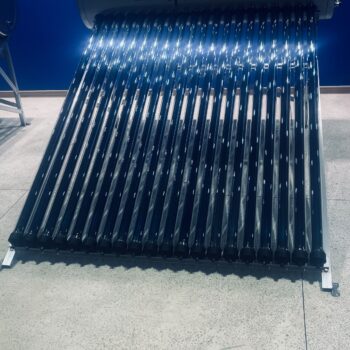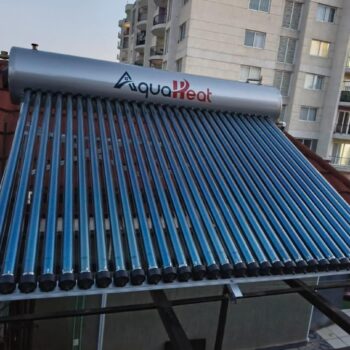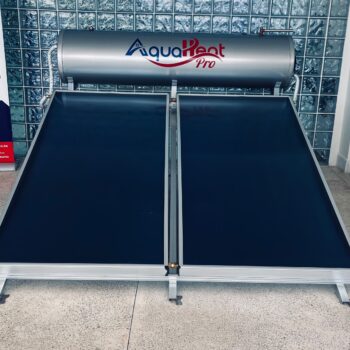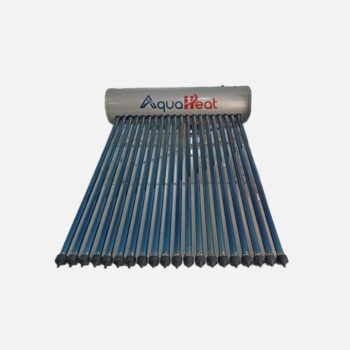
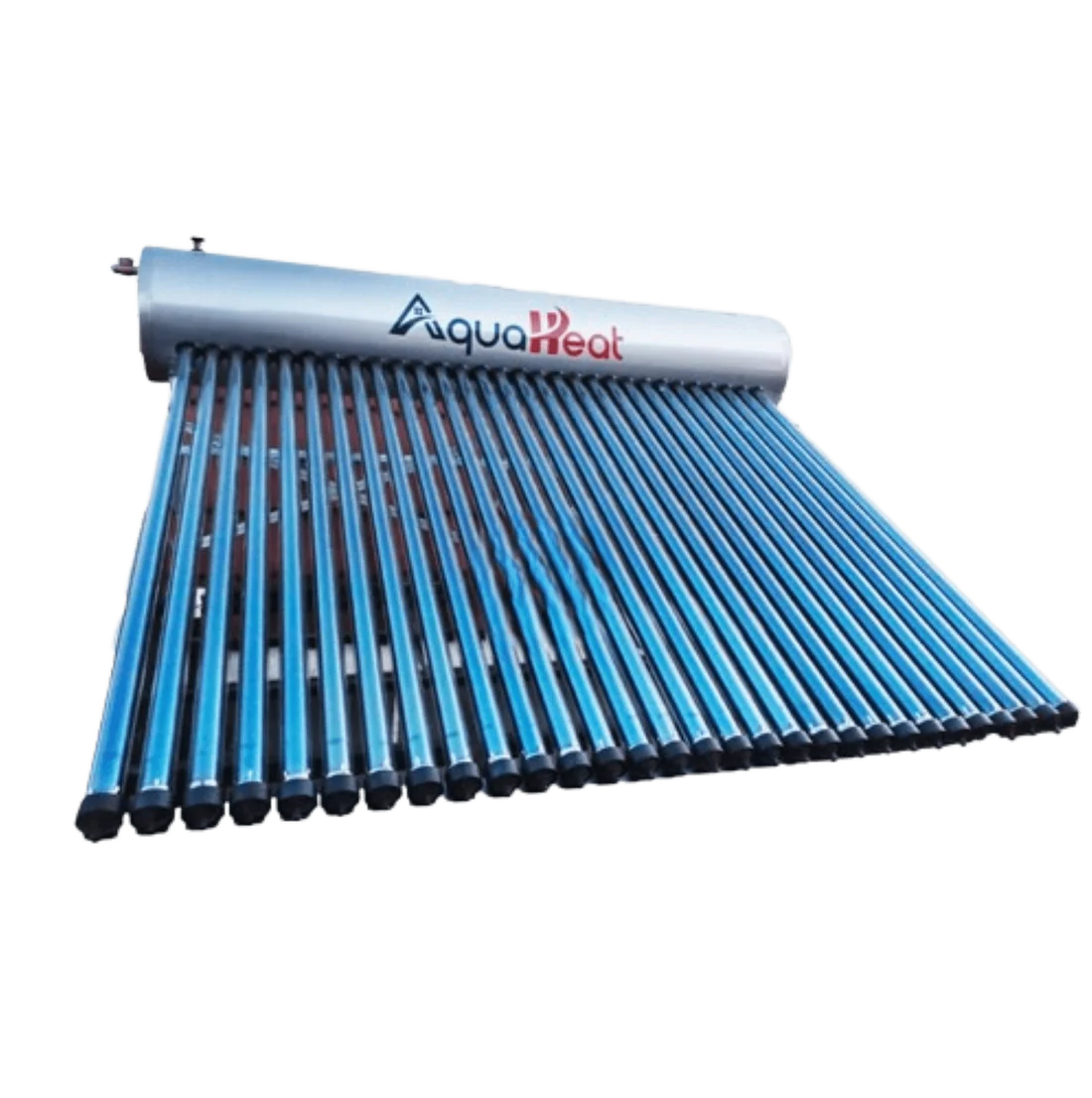
Description
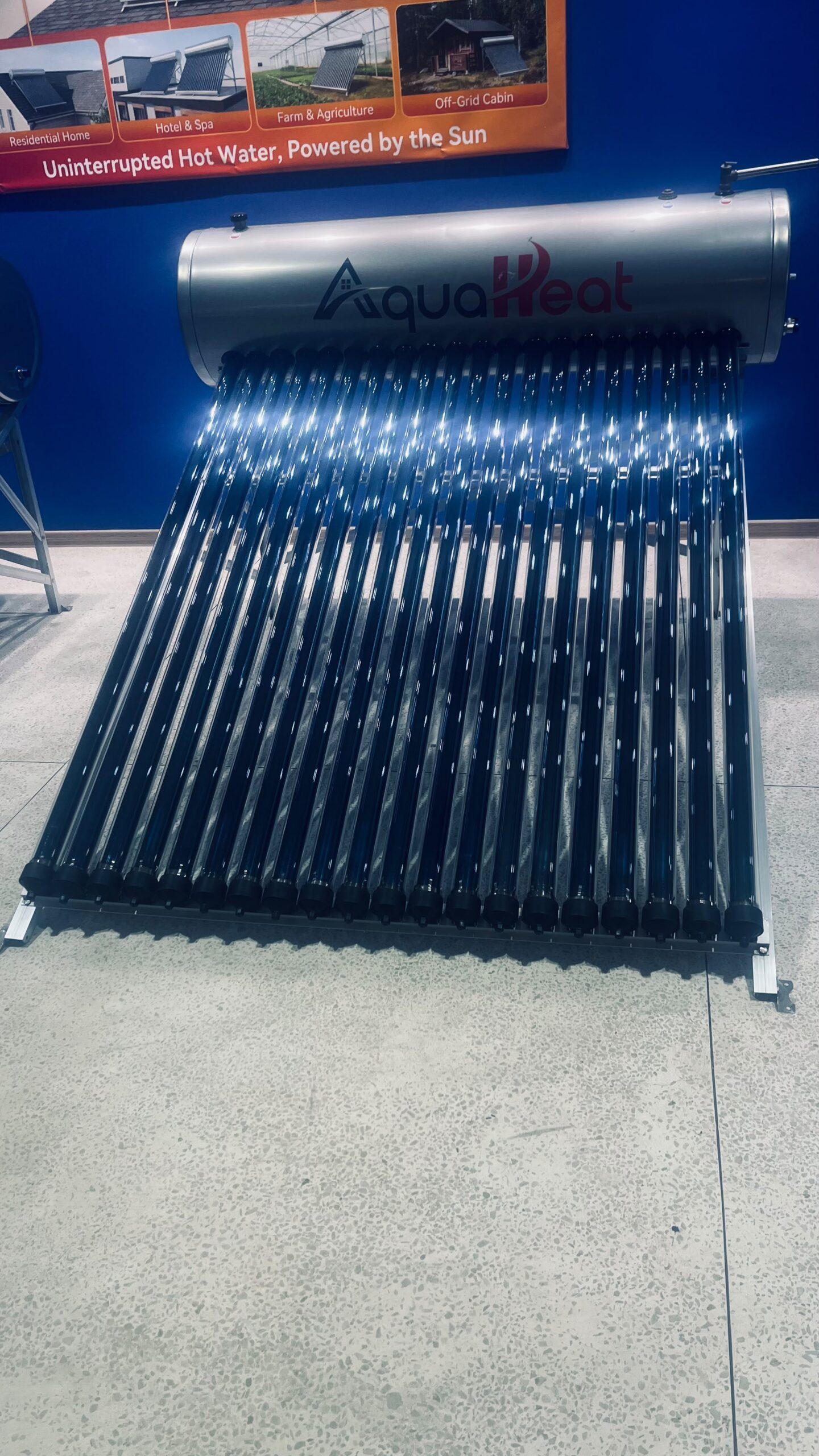
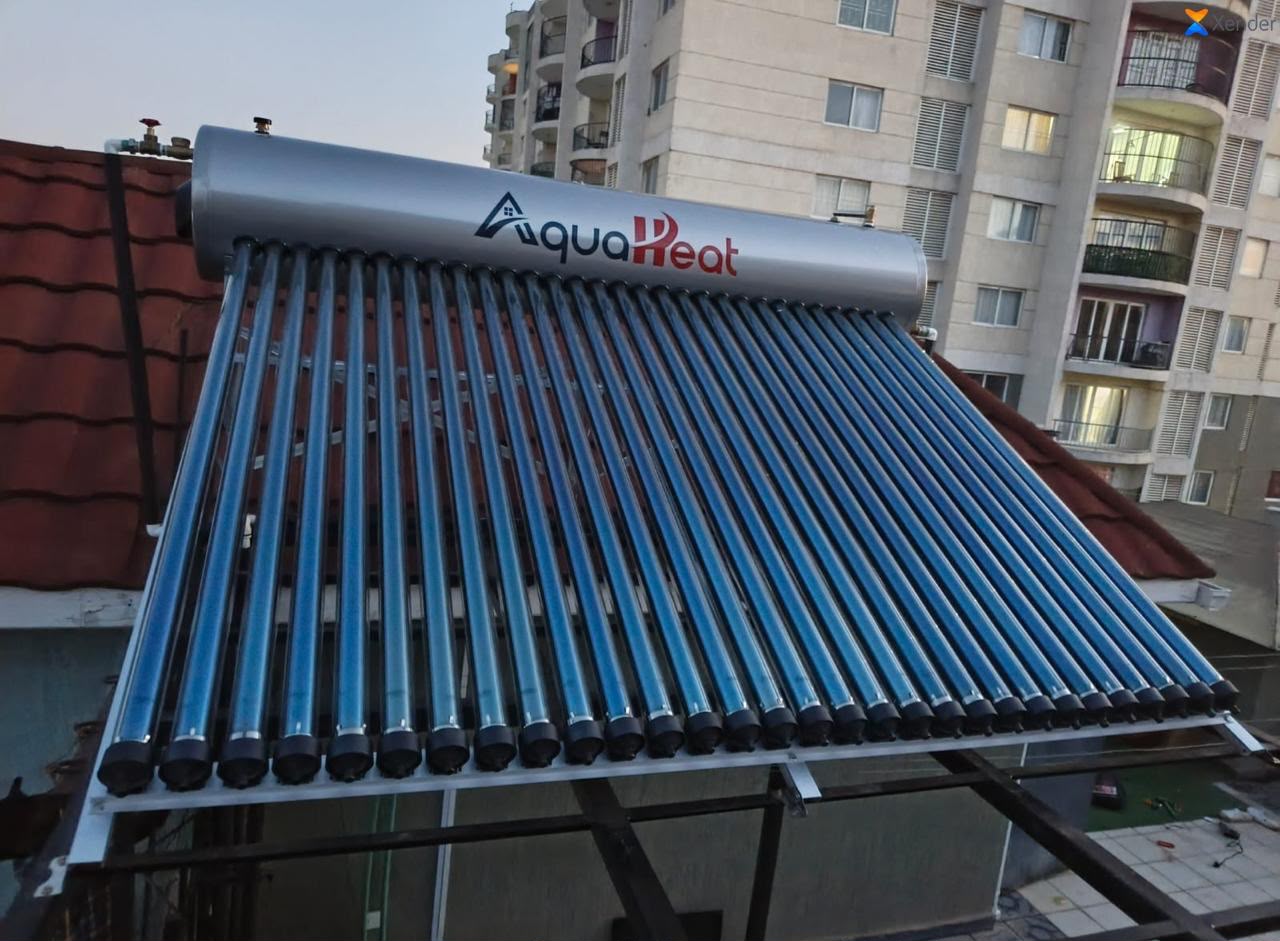
The 300 litre Aquaheat coil system is the larger version of the stainless coil arrangement, where a vented tank holds the heat and your mains water collects it on the way through a coil. Our page on the 200 litre model explains how that architecture works and why listings describe it inconsistently.
This page exists to answer a narrower and more useful question: what does the extra hundred litres actually get you? The answer is not what most buyers assume, and getting it wrong is the commonest mistake made with this product.
A coil sets the flow rate. The tank sets the duration. Those are separate things, and only one of them improves when you buy a bigger tank.
- More litres means a longer continuous draw before the store is spent
- More litres does not mean a second shower can run at the same time
- More litres does not make the water hotter while it is flowing
- Simultaneous demand is governed by coil area, which may not have grown at all
- Recovery after a heavy morning is slower, because there is more water to reheat
That matters because of who buys 300 litres. Larger families, guest houses, hostels and small clinics reach for this size, and what those buildings almost always need is several outlets working together. That is precisely the demand a coil system cannot meet. The capacity increase solves duration when the real constraint is simultaneity.
So we will say plainly what a seller usually will not: if your building runs two or more outlets at once, the pressurized 300 litre model is the product you want, not this one. Section three sets out how to tell which camp you are in.
Aquaheat 300L Coil System: What The Extra Litres Buy, And What They Do Not
1. Duration Against Simultaneity
The useful way to think about any coil system is that it has two separate capacities, and the headline litres describe only one of them.
| What you might want | What governs it | Does 300 litres help? |
|---|---|---|
| A longer shower before it cools | Stored volume | Yes, materially |
| Several showers one after another | Stored volume | Yes |
| Two outlets running together | Coil area | No |
| Hotter water while the tap is open | Coil area and store temperature | No |
| Faster recovery after a busy morning | Collector area | No, it gets slower |
The figures behind that
Taking the same heat transfer basis used on our 200 litre coil page, with the store at 70 degrees delivering 45 degree water from a 20 degree main:
| Coil size | Flow it sustains | Minutes from 200 litres | Minutes from 300 litres |
|---|---|---|---|
| Medium | About 12 litres a minute | Around 16 | Around 24 |
| Larger | About 19 litres a minute | Around 11 | Around 16 |
Read across the rows and the flow column does not change between the two tank sizes. Read down and the minutes do. The extra hundred litres buys roughly eight more minutes of one shower, and nothing else.
Those figures illustrate how the design behaves rather than certifying what this unit delivers, because coil area is not published for any model in this range. Section two is about getting that number.
2. The Question To Put To Your Supplier
There is one question that decides more about this product than every specification on a brochure combined.
Is the coil in the 300 litre unit larger than the coil in the 200 litre unit, or is it the same component?
- Manufacturers commonly carry one coil design across a size range
- If that is the case here, this unit delivers the same flow as the smaller one
- You would then be buying duration only, at a higher price
- If the coil is genuinely larger, simultaneous use improves and the calculation changes
- Neither can be assumed, because coil area is published for neither size
- Ask for the area in square metres, or at minimum the coil length and diameter
A supplier who can answer that question is worth buying from. One who cannot is selling litres and hoping nobody asks what reaches the shower head.
3. Is This The Right Product For Your Building?
This is the section most sellers leave out, and it is the one that prevents a complaint six months later.
This coil system suits you if
- Bathrooms are used one at a time, in sequence
- You want long showers rather than concurrent ones
- Mains pressure at the tap matters and a gravity supply would not do
- You would rather your drinking water never stood in a roof tank
- The property is sometimes left unoccupied for weeks
- The lower cost of a vented tank is worth having
Choose the pressurized 300 litre model instead if
- Two bathrooms get used at the same time, even occasionally
- A guest house, hostel or clinic has several rooms drawing together
- Anyone has a rain shower or similarly heavy fitting
- Hot water is wanted in a kitchen while somebody is washing
- You want full temperature at the outlet regardless of how many taps are open
- Fast recovery after a heavy period matters more than tank cost
Our page on the pressurized 300 litre heat pipe model covers that alternative properly. If the second list describes your building, read it before ordering this one. We would rather lose the sale on this page and get the specification right.
4. Recovery, Which Gets Harder At This Size
Reheating happens on the tank side, where the tubes do their work, so the coil contributes nothing to it. A larger store simply takes longer to bring back up.
- Warming a full 300 litre store by 40 degrees takes about 14 kilowatt hours
- The same job on 200 litres takes about 9.3
- With the same number of tubes, recovery therefore takes half as long again
- So ask how many tubes are supplied, since that governs the reheating
- A 300 litre store on a tube count sized for 200 litres will disappoint
- In cloudy weather the backup element carries that larger shortfall
The tube count is the second figure worth having on your quotation, for the same reason the coil area is the first. One decides how fast the store refills and the other decides how fast you can take it out.
5. Looking After An Open Store Of 300 Litres
A vented tank is simpler and cheaper than a pressure vessel, but it is open to the air, and at this volume the housekeeping is worth describing.
- The level needs checking periodically, since an open store loses a little to evaporation
- Sediment settles out of whatever feeds it, and more water means more of it
- Feed the store from as clean a source as the property allows
- Ask your installer whether periodic draining suits your particular water
- Keep the vent clear at all times and never allow it to be capped
- Inspect the feed arrangement when the system is serviced
- None of this touches your drinking water, which stays inside the coil
6. Specifications
No manufacturer document exists for this range as far as we can establish, so the table separates what the architecture implies from what the supplier must confirm.
| Parameter | Value |
|---|---|
| Thermal store | 300 litres |
| Heat exchange | Stainless steel coil within the store |
| Tank type | Vented, not a pressure vessel |
| Pressure at the outlet | Mains, delivered through the coil |
| Circuit separation | Complete, store water never reaches a tap |
| Collector | Borosilicate glass vacuum tubes |
| Circulation | Thermosiphon, store mounted above the collector |
| Heat for a full store at a 40 degree rise | About 14 kilowatt hours |
| Water weight when full | 300 kilograms, before the equipment |
| Model code | Expected to be AH-N-T300L. Confirm. |
| Coil surface area | Confirm. The figure that decides flow. |
| Whether the coil differs from the 200 litre unit | Confirm. See section two. |
| Tube count and size | Confirm. This governs recovery. |
| Tube type, water filled or heat pipe | Confirm |
| Tank steel grade and thickness | Confirm |
| Insulation thickness | Confirm |
| Electric element and controller | Confirm whether supplied or optional |
| Warranty term | Confirm in writing |
7. Key Points
- A vented store with a coil, not a pressurized tank, as on the 200 litre model
- The additional hundred litres extends how long you can draw
- It does not allow another outlet to run alongside the first
- Coil area sets the flow, and it may be unchanged from the smaller unit
- Reheating takes about 14 kilowatt hours for a full store
- That is half as long again as the 200 litre version on the same tubes
- Your supply stays inside the coil and never enters the store
- Three hundred kilograms of water sits on the roof when full
- Guest houses and multi bathroom homes are usually better served elsewhere
- Two figures belong on your quotation: coil area and tube count
8. Installation Notes Specific To This Size
- Mounting puts the store higher than the tubes, which is what drives the flow
- Its vent must discharge safely and remain permanently open
- A feed arrangement maintains the level in the open store
- Valves on both coil connections save a great deal of trouble at service time
- Tempering at the outlets limits scald risk and extends the useful draw
- Hot distribution is insulated, since bare pipe wastes collected heat
- Structure is checked for the filled weight before the order is placed
- Fixings reach rafters or purlins rather than bearing on sheeting
Never attempt to seal the vent in order to pressurise the store. A vented tank is not constructed for it and the consequences are serious.
9. Hard Water At This Volume
The deposit behaviour is as described on the 200 litre page, with one practical difference worth noting. Because your supply passes through the coil, scale accumulates inside it and gradually reduces the flow it can heat. On a 300 litre system that decline is easier to miss, because the generous store masks it for longer: showers stay adequate while the coil quietly loses capability.
- Watch for the temperature at the outlet drifting down over the years
- That is the symptom, rather than any dramatic failure
- Treatment upstream protects the coil on genuinely hard supply
- Keep a note of the coil connection sizes for any future descaling
- Scale on the store side is harmless, as that water is never drunk
10. Do’s And Don’ts
Do
- Ask whether the coil is bigger than the 200 litre model’s, before ordering
- Get both the coil area and the tube count onto the quotation
- Count how many outlets genuinely run at the same time in your building
- Time a bucket under the shower to learn your real litres per minute
- Read our pressurized 300 litre page if simultaneity matters to you
- Confirm the model code against the supplier’s price list
- Fit isolation either side of the coil
Don’t
- Buy the larger tank expecting it to fix a two bathroom problem
- Assume the coil grew just because the tank did
- Specify this for a guest house with concurrent room demand
- Seal the vent under any circumstances
- Accept a quotation that states litres and nothing else
- Pair a 300 litre store with a tube count meant for 200
11. Regulations In Brief
Solar water heating in Kenya has been regulated since July 2025 and the requirements apply whatever the architecture: a licensed installer of the correct class, a system design declaration before work starts, and documentation with warranty terms at completion. Our 200 litre pressurized page carries the full summary.
The point worth repeating here is that your design declaration should assess demand by concurrent outlets as well as by daily litres. On a coil system those two questions have different answers, and at 300 litres the second one is usually the one a buyer has actually been thinking about.
Treat this as orientation for a purchaser rather than a legal opinion, and put anything a project depends on to EPRA or to your own adviser.
12. Why Buy From Bicity Solar
- Told what the extra hundred litres does and does not buy, before you order
- The coil question put to the supplier rather than left unasked
- Coil area and tube count both written onto your quotation
- Concurrent outlet demand counted, not just daily consumption
- Steered to the pressurized model when that is genuinely the right answer
- Recovery time explained against the tube count actually supplied
- Mineral content taken into account, because deposits settle in the coil here
- The vent installed properly and its purpose explained at handover
- Both coil tails valved off as a matter of routine on our installs
- The roof evaluated against the loaded mass ahead of placing any order
- Model code verified against the supplier price list
- A design declaration issued ahead of the work, as required
- Servicing available countrywide under a current EPRA licence
Answer one question before ordering this: does anyone in the building run hot water at two outlets at the same time? If yes, the extra hundred litres will not help you and the pressurized 300 litre model is the product you want. If bathrooms are used one after another, this suits you well and gives noticeably longer showers than the 200 litre version.
Tell us how many bathrooms you have, whether they overlap in use, what your shower heads deliver and how hard your water is. We will ask the supplier for the coil area and tube count, then tell you which of the two 300 litre systems fits your building. The Solar Calculator covers the wider system, and My Quote is where to send the details.