Description
Two Jobs From One Structure: Vehicle Shade and Clean Energy
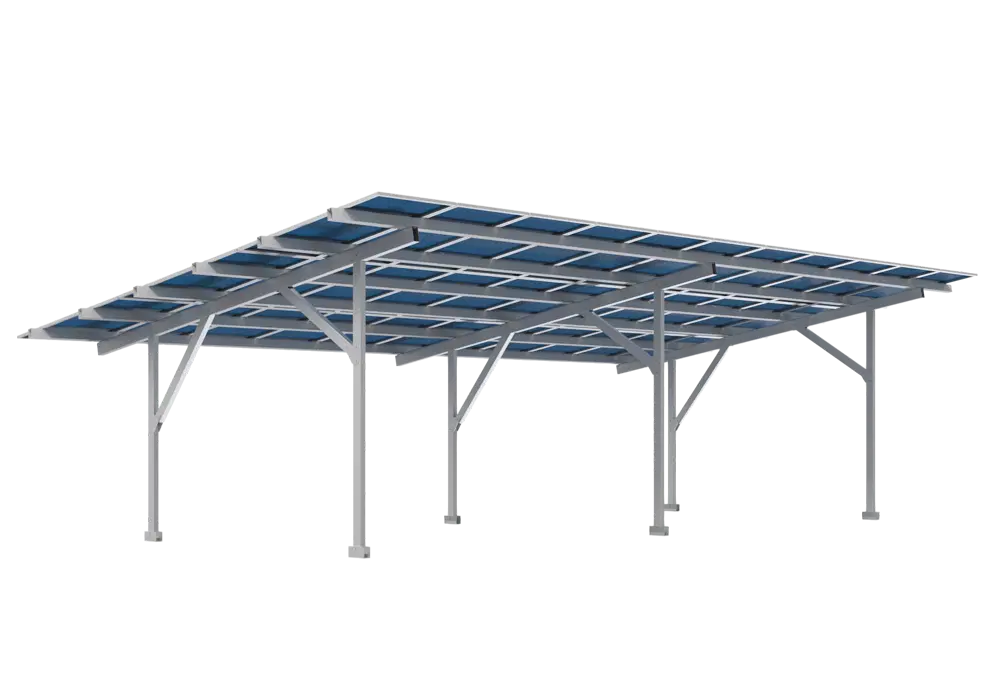
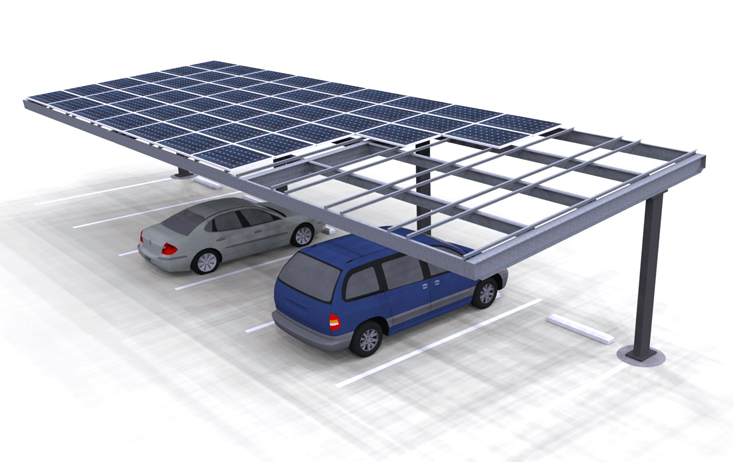
A solar carport does something a rooftop array cannot: it earns its keep twice from the same footprint. The steel canopy shelters two vehicles from the harsh Kenyan sun and the rain, while the panels mounted on its roof generate electricity from space that would otherwise sit empty. For any property that already dedicates ground to parking — a home compound, an office forecourt, a hospital visitor bay, a shopping-centre lot — the carport converts that parking area into a power station without consuming a single extra square metre of land.
This product is the engineered steel structure and the solar mounting system that goes on top of it. It is the backbone that everything else attaches to. The solar panels, the inverter, the batteries, and the electrical wiring are specified and quoted separately, because the right array size and system configuration depend on your energy goals, your budget, and how much of the roof area you want to populate with panels. That separation keeps the structure itself a clean, fixed-price purchase while letting the energy system be tailored to what you actually need.
What You Receive at This Price
The price covers the physical carport and its panel-mounting system in full:
- The complete two-car steel frame — columns, beams, rafters, and bracing, fabricated from heavy-gauge structural steel
- Hot-dip galvanised corrosion protection on all steel members, rated for decades of outdoor Kenyan service including coastal and industrial environments
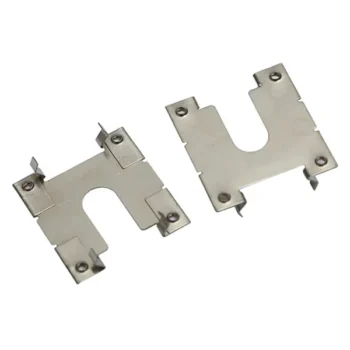
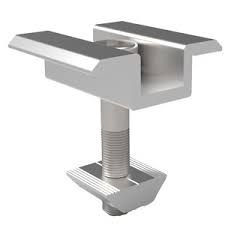
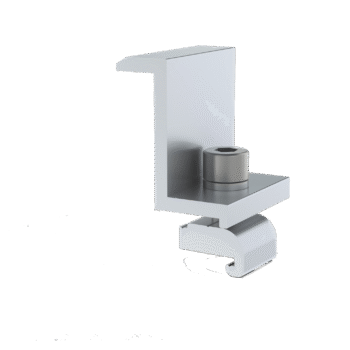
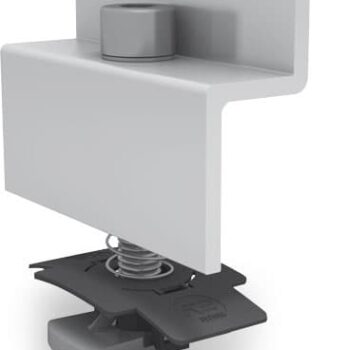
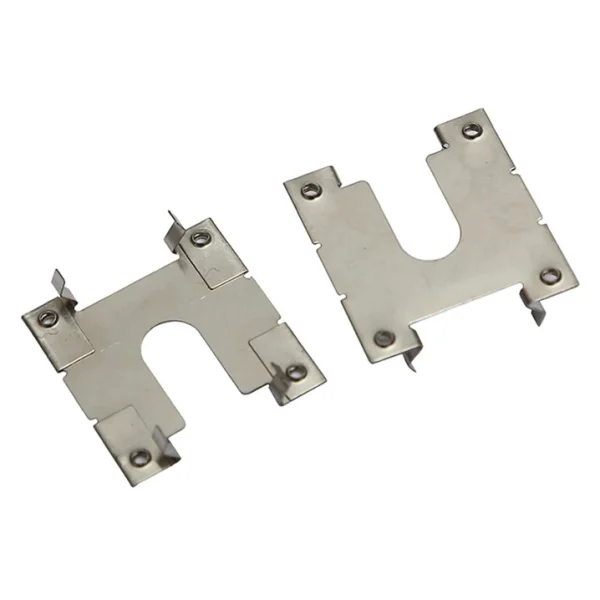
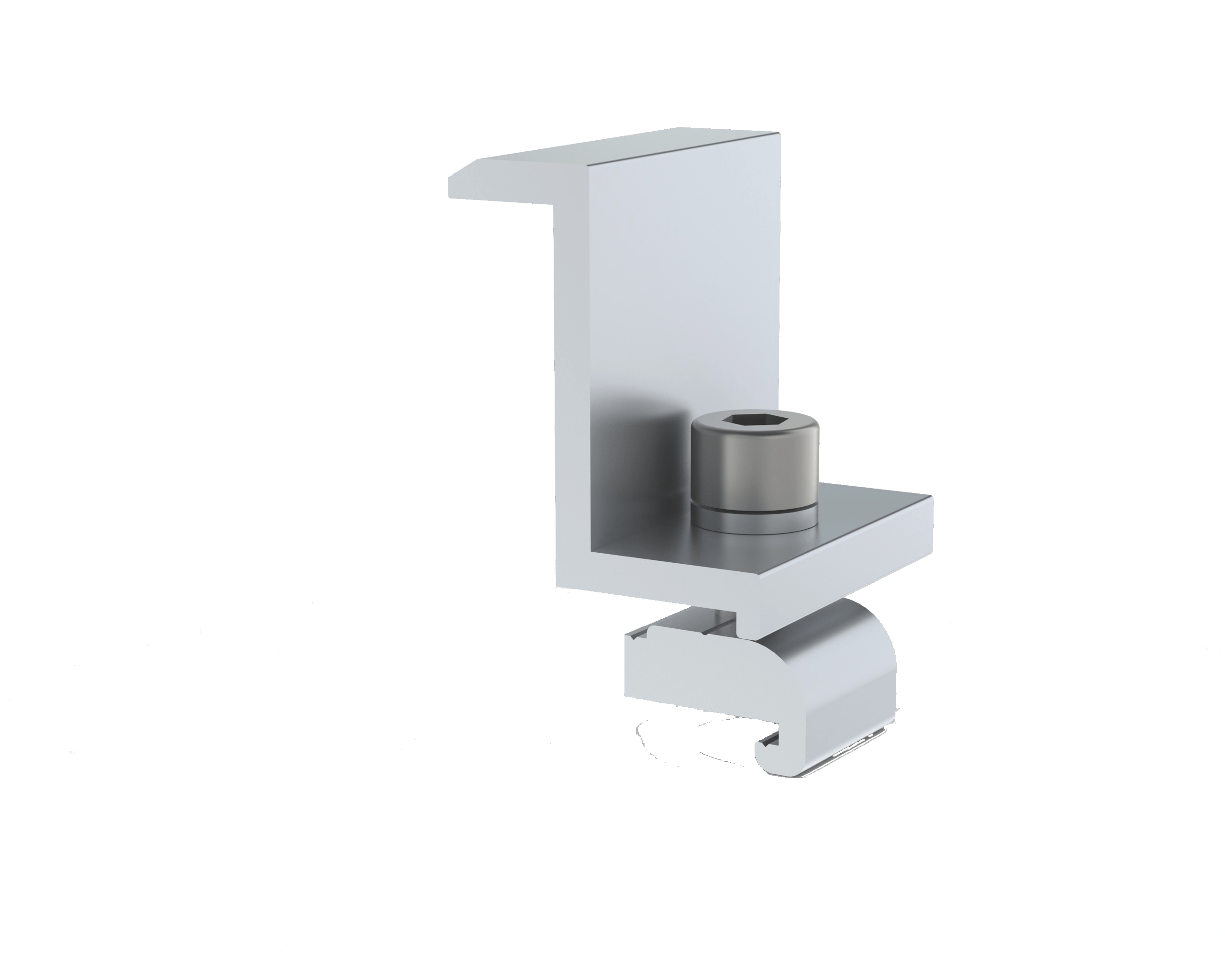
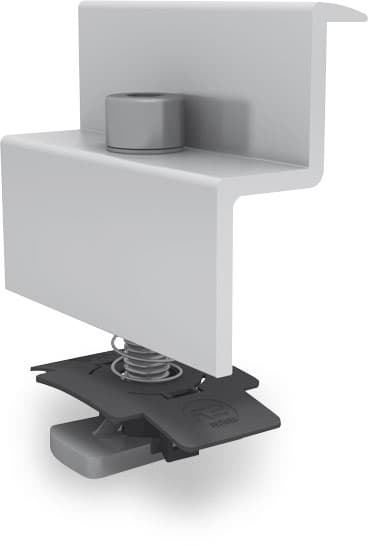
- The integrated solar mounting system — the rails and clamp provisions on the roof frame that secure standard framed solar panels at the engineered tilt angle
- Structural engineering for the standard configuration — designed for the wind loads typical of Kenyan installations
- Fixing and anchor hardware for mounting the structure to prepared concrete footings
What is quoted separately, as a tailored energy system:
- Solar panels — browse our solar panel range; the carport roof accepts standard framed modules
- Inverter — see our hybrid and grid-tie inverters
- Batteries — for storage, see our lithium battery range
- Wiring, protection, and electrical connection — scoped per site
- Concrete foundation works — site civil preparation, quoted after a site assessment
To plan the full system — structure plus panels, inverter, and storage — request a quote and our team will size the energy components to match your roof area and energy goals.
The Economics: Why Parking Space Should Earn Its Keep
Most parking areas are dead space economically. They occupy valuable ground, require maintenance, and return nothing beyond the convenience of somewhere to leave a vehicle. A solar carport changes that calculation by stacking a second function on the same footprint.
The dual-value argument works like this. The structure delivers immediate, tangible benefits the day it goes up: vehicles sit in shade rather than baking in the equatorial sun, paintwork and interiors last longer, and drivers return to a cool car instead of an oven. Those benefits alone justify a parking shade for many buyers. The solar generation then sits on top as a second return — the roof area that was built for shade anyway now produces electricity that offsets grid consumption or, with storage, powers the property through outages and evening hours.
Because the structural cost is shared between the two functions, the effective cost of the solar mounting platform is far lower than building a dedicated ground-mount array on separately-purchased land. You are not buying land for panels and separately building a parking shade — you are building one structure that does both. For commercial properties where parking is already a requirement, this shared-cost logic is what makes solar carports increasingly attractive.
Sizing and Configuration
This product is the standard two-vehicle configuration — the most common size for residential compounds and small commercial premises. It shelters two standard cars side by side and carries a solar array sized to the roof area that shade creates.
| Aspect | Standard Two-Car Configuration |
|---|---|
| Vehicles sheltered | 2 standard cars side by side |
| Structure type | Galvanised steel post-and-beam canopy |
| Roof use | Solar panel mounting frame at engineered tilt |
| Panel capacity | Sized to roof area — typically a multi-panel array (specified separately) |
| Foundation | Concrete footings at each column position |
| Best siting | Open parking area with clear sky access (minimal shading) |
Larger requirements — four-car, multi-bay commercial car parks, or industrial-scale installations — are handled as bespoke projects. If you need more than the standard two-car structure, request a project quote describing the number of bays and the parking layout, and we will scope a structure to match.
Where Solar Carports Make Sense in Kenya
The solar carport suits any property that combines a parking requirement with an appetite for on-site clean energy:
- Residential homes: Shelter the family vehicles while generating power for the household. The carport doubles as a clean-energy source feeding the home’s solar system.
- Office premises: Shaded staff and visitor parking that simultaneously offsets the building’s daytime electricity consumption — when offices draw the most power, the sun is at its strongest.
- Shopping centres and retail: Customer parking shade is a genuine draw in the Kenyan sun, and the generation offsets the centre’s substantial daytime energy load.
- Hospitals and clinics: Shaded parking for patients and visitors plus reliable supplementary power for a sector where energy continuity matters.
- Schools and universities: Covered parking, a visible sustainability statement, and an educational asset, all generating power for the institution.
- Government and county buildings: Supports public-sector green-energy commitments while providing practical covered parking.
- Industrial yards and factories: Fleet-vehicle shade and a meaningful dent in operational energy costs.
- EV charging points: The natural pairing — shade the vehicle, charge it from the sun above it. As electric vehicles grow in Kenya, solar carports become charging canopies.
The EV Charging Opportunity
The strongest emerging case for solar carports anywhere in the world is electric-vehicle charging, and Kenya is at the early edge of that shift. A solar carport with an EV charge point underneath is a self-contained proposition: the vehicle parks in the shade, and the panels overhead feed a charger that tops up the battery using sunlight rather than grid power. For businesses positioning themselves ahead of the EV transition — hotels, malls, office parks, fleet operators — installing a solar carport now establishes the charging infrastructure on a foundation that already pays for itself through shade and generation. The charging hardware is specified as part of the tailored system; the carport is the platform it all sits on.
Technical Specifications
| Specification | Detail |
|---|---|
| Product | Two-car solar carport structure (steel parking shade + solar mounting frame) |
| Structure Material | Heavy-gauge structural steel |
| Corrosion Protection | Hot-dip galvanised finish on all members |
| Vehicles Sheltered | 2 standard cars |
| Roof Function | Integrated solar panel mounting frame |
| Panel Tilt | Engineered angle optimised for Kenyan latitudes |
| Panel Compatibility | Standard framed solar modules (panels supplied separately) |
| Foundation | Concrete footings at column bases |
| Wind Loading | Engineered for wind conditions typical of Kenyan sites |
| Structural Design Life | 25+ years with galvanised protection |
| Environment Suitability | Inland, urban, industrial, and coastal (galvanised) |
| What’s Included | Steel structure + solar mounting system + structural hardware |
| What’s Separate | Panels, inverter, batteries, wiring, foundation civil works |
| Supply & Install | Nationwide from Nairobi |
From Order to Generation: The Process
A solar carport is a built structure, not a shelf product, so the path from purchase to power runs through a few clear stages:
- Site assessment. We confirm the parking area dimensions, ground conditions, sky access, and how the carport will tie into your electrical setup. This is also where the energy-system side (panel count, inverter, storage) gets scoped.
- Foundation preparation. Concrete footings are cast at each column position. Curing time is allowed before structural erection.
- Structure erection. The galvanised steel frame is assembled and anchored to the footings.
- Panel mounting. The solar modules (specified separately) are mounted to the roof frame at the engineered tilt and clamped securely.
- Electrical integration. Wiring, inverter connection, and any battery storage are installed and connected, by an EPRA-certified technician.
- Commissioning. The system is tested and handed over, generating power and sheltering vehicles from day one.
Complete the System
The carport is the platform; these components turn it into a working solar installation:
- Solar panels: Browse our solar panel range to populate the carport roof
- Inverters: Our hybrid and grid-tie inverters convert the array output for use
- Batteries: Add lithium storage for night-time use and outage backup
- Mounting accessories: Additional mid clamps and end clamps as needed for the panel layout
- Full system quote: Request a quote for the complete turnkey package, or use our solar calculator to estimate your energy needs