Description
Three-Phase Capability Without the Three-Phase Price Tag
Here’s a problem that catches many Kenyan business owners off guard: your building has a three-phase utility connection (most commercial properties do), which means you need a three-phase inverter — but your actual electricity load is modest enough that a 10kW or 12kW inverter would be overkill. You don’t want to buy a single-phase inverter that can’t grid-tie to your three-phase supply. You also don’t want to overspend on capacity you’ll never use.
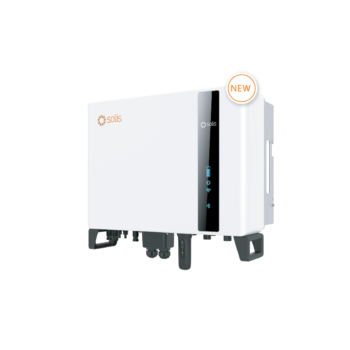
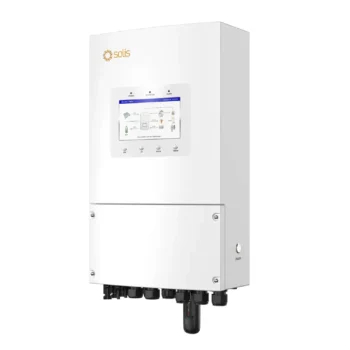
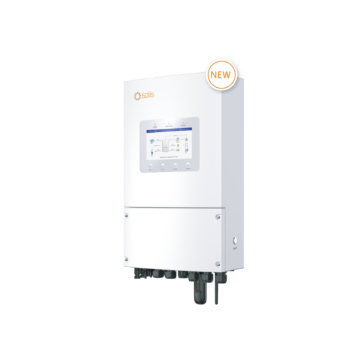
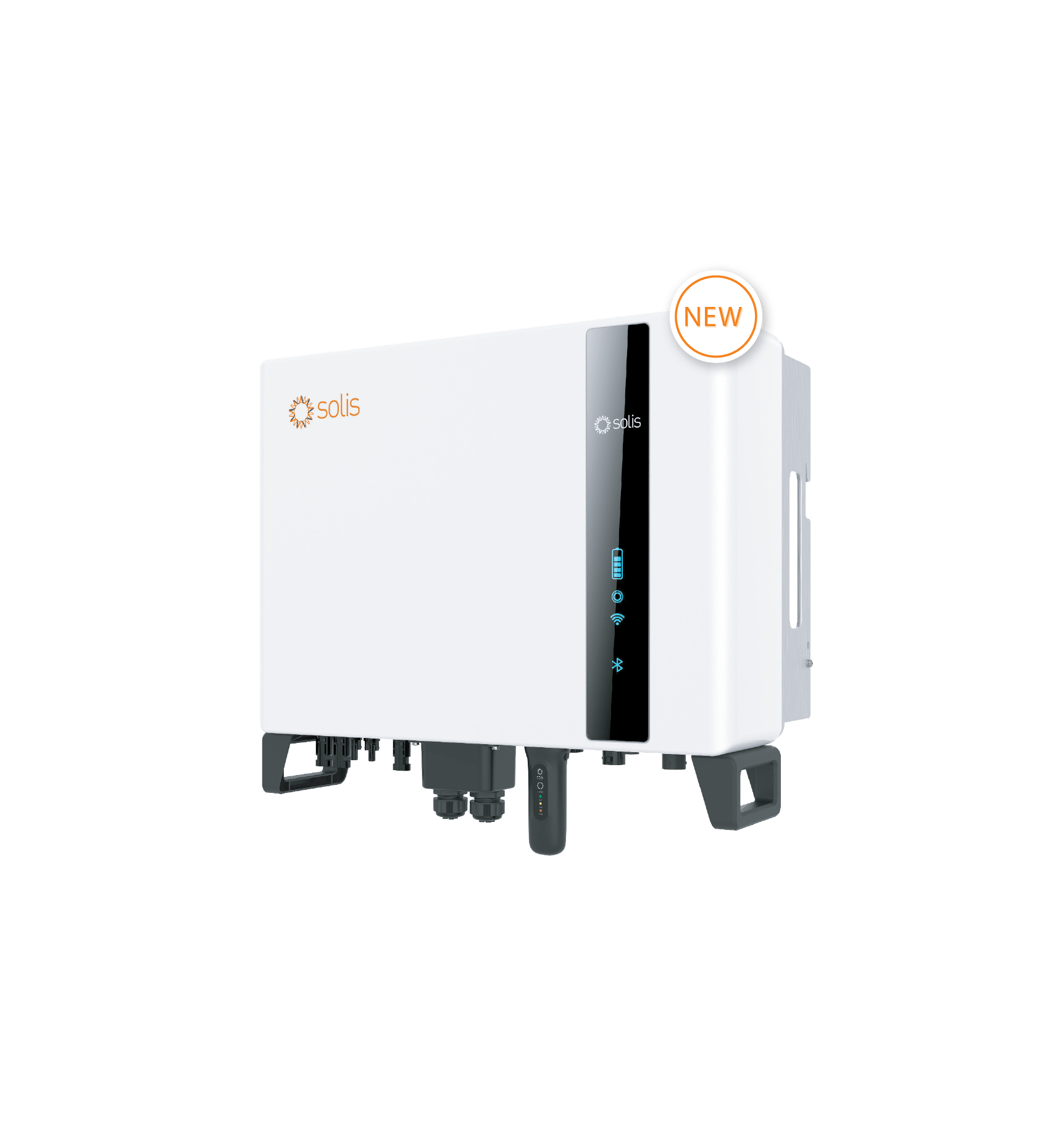
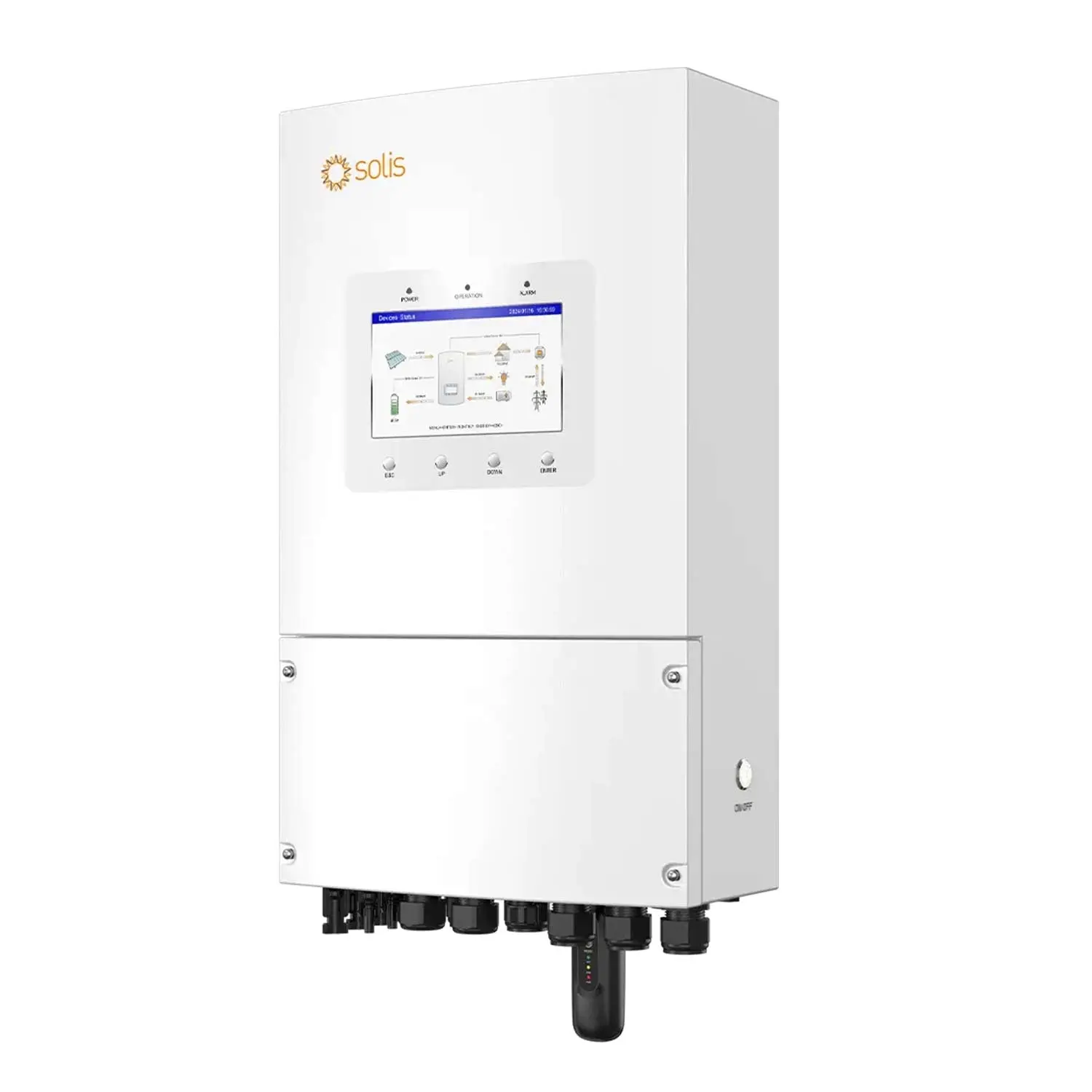
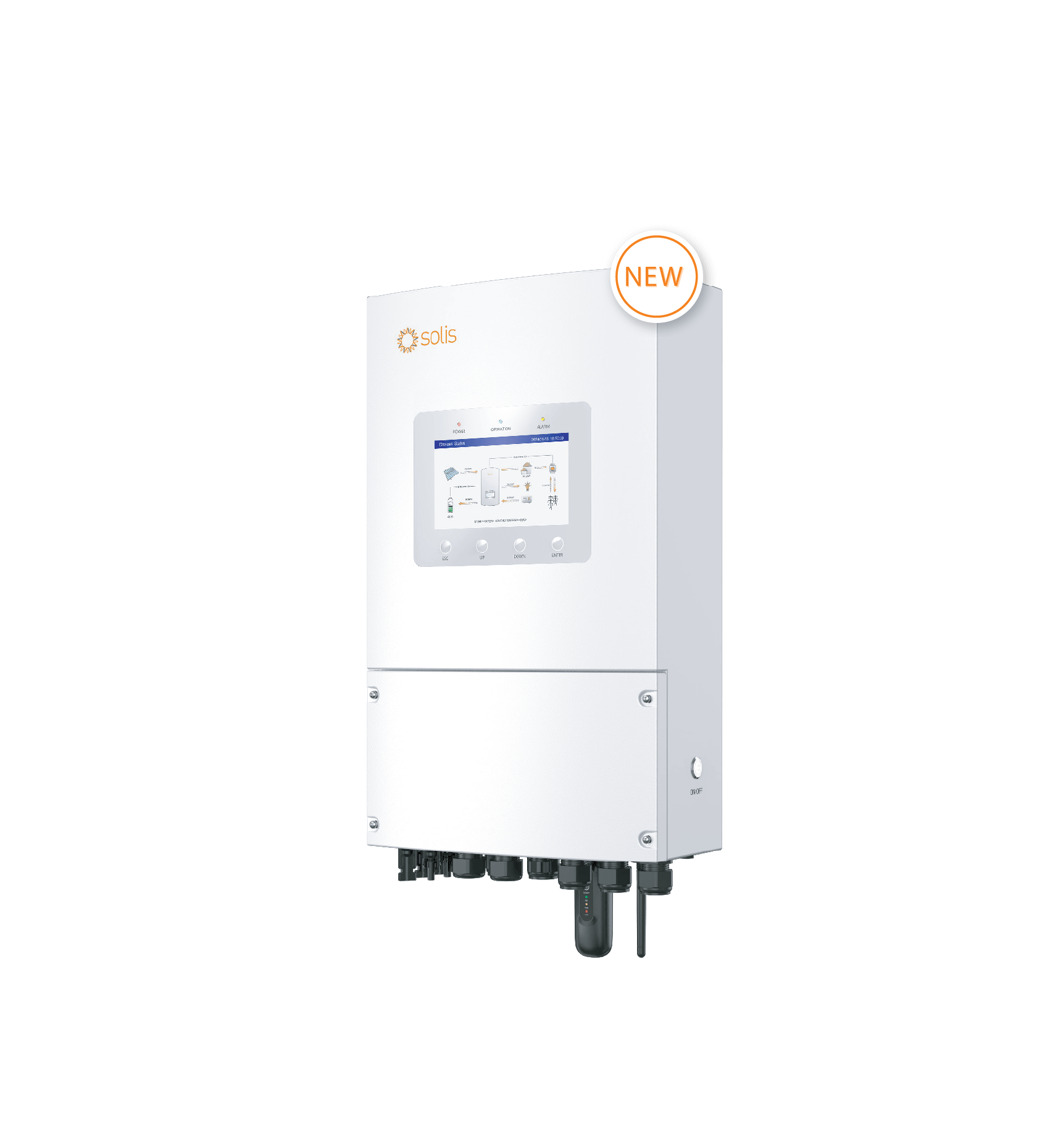
The Solis S6-EH3P8K02-NV-YD-L solves that problem. It’s a full three-phase hybrid inverter — grid-tie, battery management, backup, SolisCloud monitoring, dual battery ports, IP66 weatherproofing — at the 8kW power level. It gives small Kenyan commercial properties three-phase compatibility without forcing them into the 10kW+ pricing tier.
The “Small Three-Phase” Problem in Kenya
This is more common than people realise. Walk down any Kenyan commercial street and you’ll find dozens of businesses on three-phase utility supply whose actual electricity draw sits between 5–8kW during peak hours:
- Hair salons and barber shops: Multiple dryers, styling equipment, lighting, small AC unit, music system, and POS terminal. Three-phase supply is standard in commercial buildings, but actual draw rarely exceeds 6kW.
- Small restaurants and cafés: Commercial kitchen equipment (fridges, freezers, coffee machine, microwave), dining area lighting, POS, CCTV, and fans. Peak draw 5–8kW spread across three phases.
- Veterinary clinics: Surgical lighting, sterilisation equipment, small X-ray, drug refrigeration, office equipment. Moderate load but three-phase is often standard in the building.
- Small warehouses and storage facilities: Lighting, security systems, loading bay equipment, small office. Loads are light but the building’s three-phase supply demands a matching inverter.
- Retail boutiques in malls and commercial centres: Lighting, CCTV, climate control fan coils, POS, and display electronics. Individual shop loads are modest but the building infrastructure is three-phase.
- Religious institutions and nursery schools: Lighting, sound systems, office equipment, small kitchen. Three-phase wiring is standard in most purpose-built facilities.
12.8kW PV Input on an 8kW Inverter
The Solis 1.6× DC/AC ratio applies even at this size class. With 12,800W of maximum PV input, the S6-EH3P8K02-NV-YD-L accepts up to 22 × 580W panels — enough oversizing to push the inverter to full output from mid-morning through mid-afternoon in typical Kenyan irradiance conditions.
Panel configurations that work well:
- Budget-conscious: 14 × 580W Jinko Tiger Neo (8.12kW DC) — minimal oversizing, lower upfront cost, reaches full output only near solar noon
- Optimised yield: 18 × 550W Canadian Solar HiKu6 (9.9kW DC) — moderate oversizing for better morning and afternoon performance
- Maximum harvest: 22 × 580W Jinko Tiger Neo (12.76kW DC) — full oversizing, maximises daily kWh from the 8kW inverter
Browse our solar panel range for the full catalogue of compatible modules.
The Dual Battery Ports at 8kW
Even at the 8kW level, the Solis gives you two independent battery ports — each capable of 150A, for a combined 180A. This is uncommon in the 8kW class and gives small businesses the same phased-expansion flexibility that larger systems enjoy: install one battery bank now, add a second when budget permits, no rewiring.
Recommended battery configurations for 8kW commercial systems:
- Basic backup: Single 5kWh lithium battery on port 1 — covers essential loads (security, POS, refrigeration) during grid outages lasting 2–4 hours
- Full backup: 10kWh lithium battery on port 1 — overnight coverage for all business-critical loads
- Expanded capacity: 10kWh on port 1 + 5kWh on port 2 — added later for full 15kWh capacity without rewiring
All configurations use batteries from our Jinko, Renergy, or Vestwood lithium ranges.
Same Premium Features as the Larger Models
Critically, the S6-EH3P8K02-NV-YD-L doesn’t sacrifice features to hit a lower price point. You still get:
- IP66 protection — higher than the industry-standard IP65, suitable for exposed outdoor mounting in Kenya’s tropical rain and dust conditions
- 7″ colour LCD + Bluetooth + SolisCloud — full monitoring from the unit’s touchscreen or remotely via smartphone app
- Generator compatibility — three-phase generator input up to 8kW with reverse-current protection
- Unbalanced three-phase output — each phase can carry different loads (up to 50% of rated power per phase)
- <10ms backup switchover — fast enough for POS terminals, computers, and refrigeration controllers
- 6 time-of-use periods — programmable battery charge/discharge scheduling for tariff optimisation
Specifications Summary
PV Input (DC Side)
| Parameter | Value |
|---|---|
| Max. DC Input Power | 12,800 W |
| Max. Input Voltage | 1,000 V |
| Rated Voltage | 550 V |
| Start-up Voltage | 160 V |
| MPPT Voltage Range | 200 – 850 V |
| Max. Input Current | 20 A + 40 A |
| Max. Short-Circuit Current | 30 A + 50 A |
| Number of MPPTs / Strings | 2 MPPTs / 3 strings |
| DC/AC Ratio | 1.6× |
AC Output (Grid Side)
| Parameter | Value |
|---|---|
| Rated Output Power | 8,000 W |
| Max. Apparent Output Power | 8 kVA |
| Rated Grid Voltage | 3/N/PE, 220V/380V or 230V/400V |
| Rated Grid Frequency | 50 Hz / 60 Hz |
| Rated Output Current per Phase | 12.2 A / 11.5 A |
| Max. Continuous AC Pass-Through | 50 A |
| Power Factor | >0.99 (0.8 leading – 0.8 lagging) |
| THDi | <3% |
| Unbalanced Output | Up to 50% rated per phase |
Backup / Off-Grid Output
| Parameter | Value |
|---|---|
| Rated Backup Power | 8,000 W |
| Peak Backup Power (10s) | 16,000 W (2× rated) |
| Backup Switchover Time | <10 ms |
| Backup Output Voltage | 3/N/PE, 220V/380V or 230V/400V |
| Backup Frequency | 50 Hz / 60 Hz |
| Three-Phase Unbalanced Backup | Supported |
Battery
| Parameter | Value |
|---|---|
| Battery Type | Li-ion (LiFePO4) / Lead-acid |
| Battery Voltage Range | 40 – 60 V (48V nominal) |
| Number of Battery Ports | 2 independent |
| Max. Charge / Discharge Current per Port | 150 A |
| Max. Combined Charge / Discharge Current | 180 A |
| BMS Communication | CAN / RS485 |
Generator Input
| Parameter | Value |
|---|---|
| Max. Generator Input Power | 8 kW |
| Rated Input Voltage | 3/N/PE, 220V/380V or 230V/400V |
| Rated Input Frequency | 50 Hz / 60 Hz |
| Reverse Current Protection | Integrated |
Efficiency
| Parameter | Value |
|---|---|
| Max. Efficiency | 97.5% |
| European Efficiency | 96.4% |
| Battery Charge Efficiency (PV → Battery) | 95.0% |
| Battery Discharge Efficiency (Battery → AC) | 94.5% |
Protection
| Feature | Status |
|---|---|
| Anti-islanding Protection | Yes |
| Output Over-current Protection | Yes |
| Short-circuit Protection | Yes |
| DC Reverse-polarity Protection | Yes |
| Surge Protection | DC Type II / AC Type II |
| Integrated DC Switch | Yes |
| AFCI 2.0 | Optional |
Physical & Environmental
| Parameter | Value |
|---|---|
| Dimensions (W × H × D) | 430 × 660 × 305 mm |
| Weight | 42 kg |
| Ingress Protection | IP66 |
| Cooling | Intelligent fan cooling |
| Operating Temperature | -25°C to +60°C |
| Max. Operating Altitude | 4,000 m |
| Topology | Non-isolated |
| Night Self-Consumption | <30 W |
Interface & Communication
| Parameter | Value |
|---|---|
| Display | 7″ LCD + Bluetooth + App |
| Standard Communication | CAN, RS485, Ethernet |
| Optional Communication | Wi-Fi, Cellular, LAN |
| DC Connection | MC4 quick-connect (PV) + screw terminal (battery) |
| AC Connection | Screw terminal |
| Remote Monitoring Platform | SolisCloud (web + mobile app) |
Getting Started
You’ll need solar panels, lithium batteries, DC breakers, three-phase AC breakers, earthing, mounting hardware, and EPRA-licensed installation. Use the Solar Calculator for initial sizing, or request a quote for a complete package. WhatsApp 0794 917 789 for direct consultation.
Questions About the Solis 8kW Three-Phase
My building is three-phase but my loads are small — can I use a single-phase inverter instead?
No. If your utility supply is three-phase, you need a three-phase inverter for correct grid-tie operation. Installing a single-phase inverter on a three-phase supply causes phase imbalance, potential back-feeding issues, and may violate utility connection regulations. The Solis 8kW three-phase is specifically designed for this common situation — three-phase compatibility at a modest power level.
Is this the same build quality as the 10kW and 12kW models?
Identical. The S6-EH3P8K02-NV-YD-L uses the same enclosure, PCB platform, IP66 rating, 7″ LCD, dual battery ports, and SolisCloud connectivity as the 10kW and 12kW variants. The physical dimensions and weight are the same across all three models. The only difference is rated output power and maximum battery charge current.
What size battery bank do I need for an 8kW commercial system?
For essential-load backup (security, POS, refrigeration), 5kWh is sufficient. For overnight coverage of all business loads, 10kWh is the sweet spot. The dual battery ports allow starting with one bank and adding a second later. Jinko, Renergy, and Vestwood lithium batteries all pair correctly.
Can I upgrade to the 10kW or 12kW later if my business grows?
You can’t change the rating of the installed inverter, but you have two upgrade paths: add a second Solis 8kW in parallel to double your capacity to 16kW, or replace the unit entirely and redeploy the 8kW at a second location (Solis holds good resale value). The dual battery ports and panel wiring transfer directly to a larger model if you upgrade.
Does the 8kW model still have the 1.6× PV oversizing ratio?
Yes. At 12,800W PV input on an 8kW inverter, the ratio is exactly 1.6×. This is the same oversizing philosophy across the entire S6-EH3P series and is one of the key advantages Solis holds over competitors that typically cap at 1.3×.
Where can I buy the Solis 8kW three-phase in Kenya?
Bicity Solar Energy Suppliers stocks the S6-EH3P8K02-NV-YD-L with 5-year manufacturer warranty and delivery to all 47 counties. WhatsApp 0794 917 789 or request a quote for pricing and availability.